


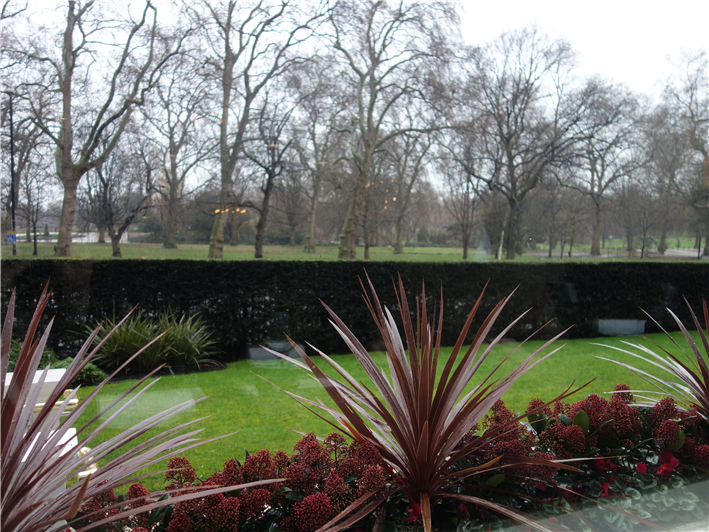

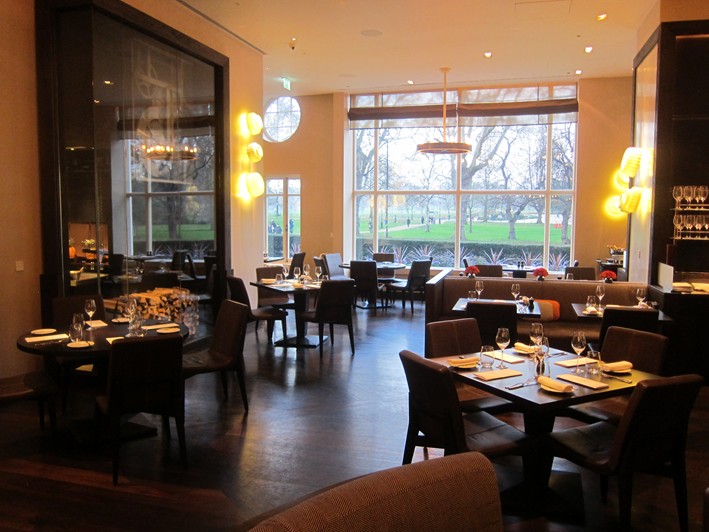
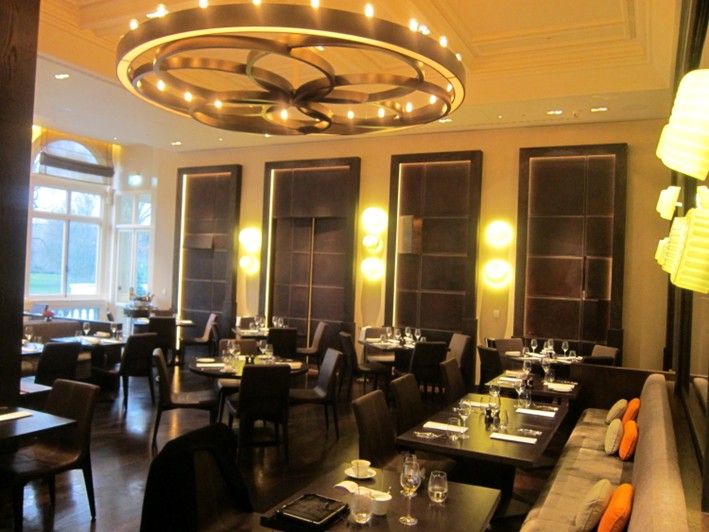
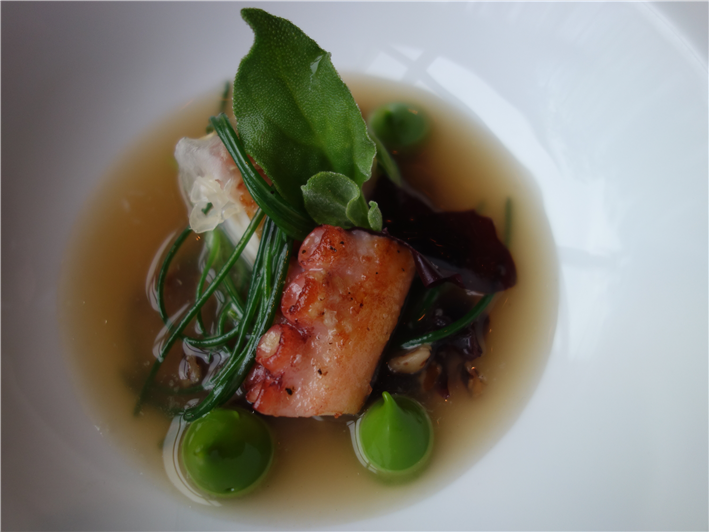
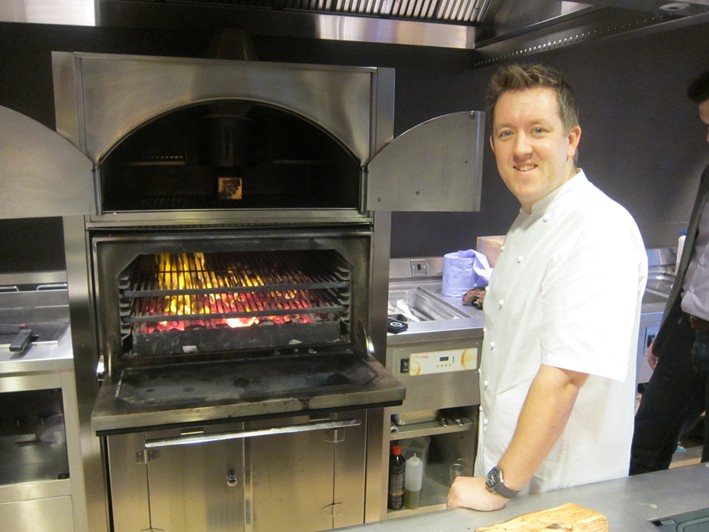
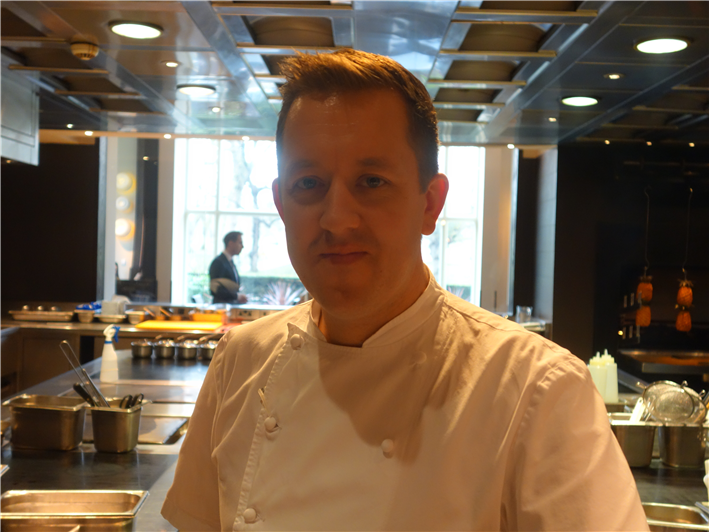

Dinner by Heston Blumenthal (strictly, it should be Dinner by head chef Ashley Palmer Watts and his team) has now been operating for four years and continues to pull in the crowds. The dining room at the Mandarin Oriental looks out over Hyde Park, and has well-spaced tables. The dishes are mostly inspired by historical English recipes, though clearly they are updated considerably for modern tastes, and some of the associations seem pretty loose. Frumenty was a mediaeval dish of cracked wheat cooked in almond milk, so is some distance from the version here as grilled octopus with lovage and sea broth. Still, I like the idea of looking back at Britain’s surprisingly lengthy and rich culinary heritage, so can overlook some poetic license.
The wine list has interesting growers but is fiercely marked up even by the challenging standards of Knightsbridge. It featured labels such as Pierre Gaillard Cuvee Tremadoch Domaine Madeloc 2011 at £49 for a bottle that you can find in the high street for £12, Contino Rioja Blanco at £85 compared to a shop price of £17, and Egon Muller Spatlese Scharzhofberger 2005 at £285 for a wine that has a current market price of £76. There is no relief in relative mark-up as you climb higher up the list: Etienne Sauzet Garenne Puligny Montrachet 2005 was £215 for a wine that will set you back £51 in a shop.
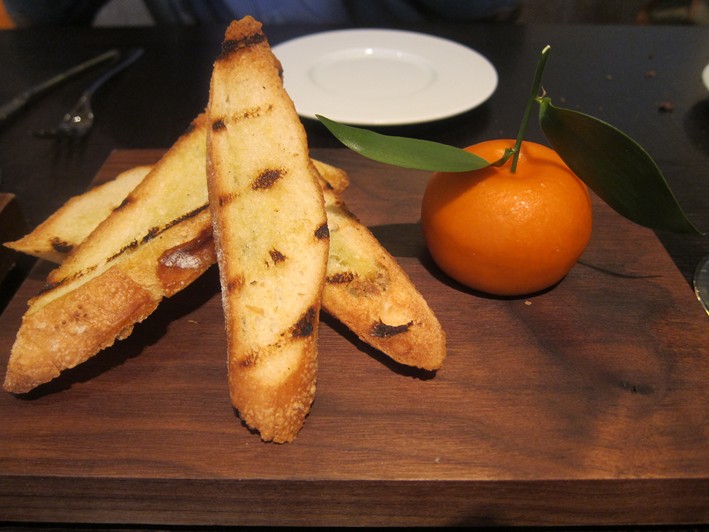
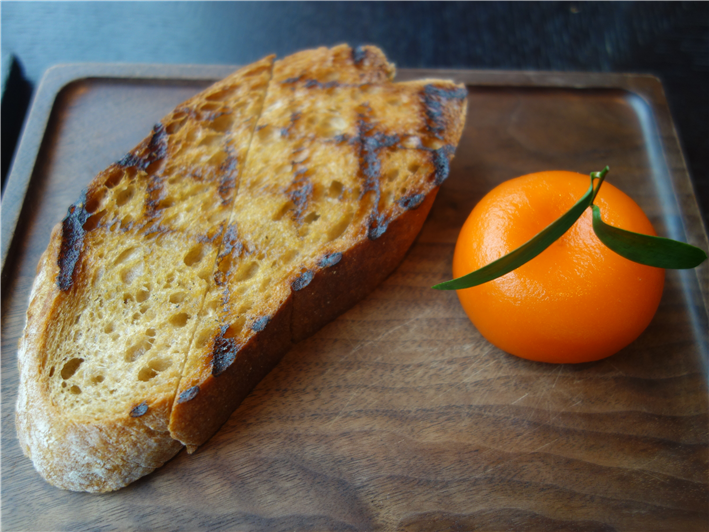
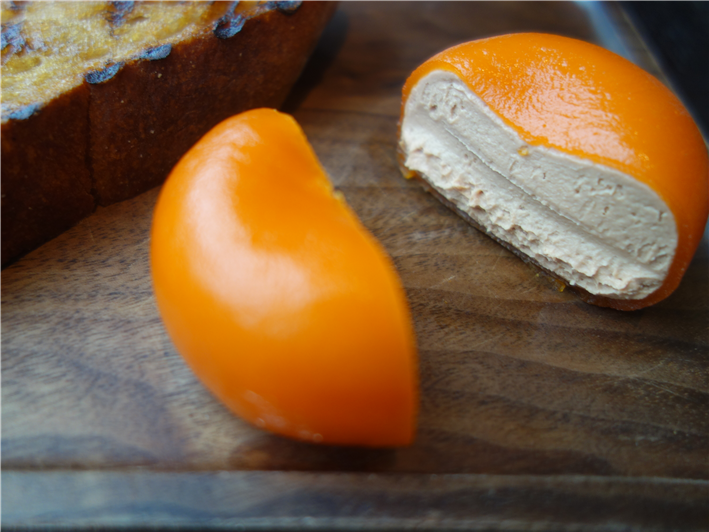
Sourdough was from The Bread Factory and was pleasant though hardly dazzling (14/20). A kitchen of this size could surely have a go at making their own bread. “Meat fruit” is the restaurant’s signature dish, a smooth chicken liver parfait disguised as an orange by a layer of mandarin jelly and served with grilled bread. The parfait was lovely, with plenty of flavour and excellent texture, a witty and thoroughly enjoyable dish (18/20).
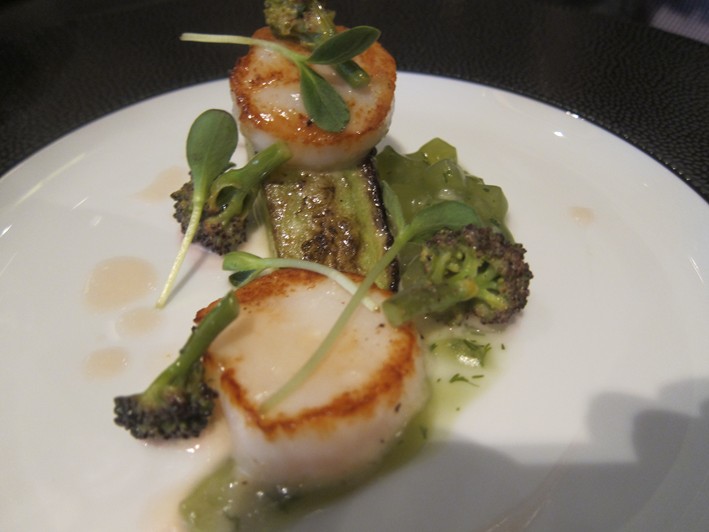
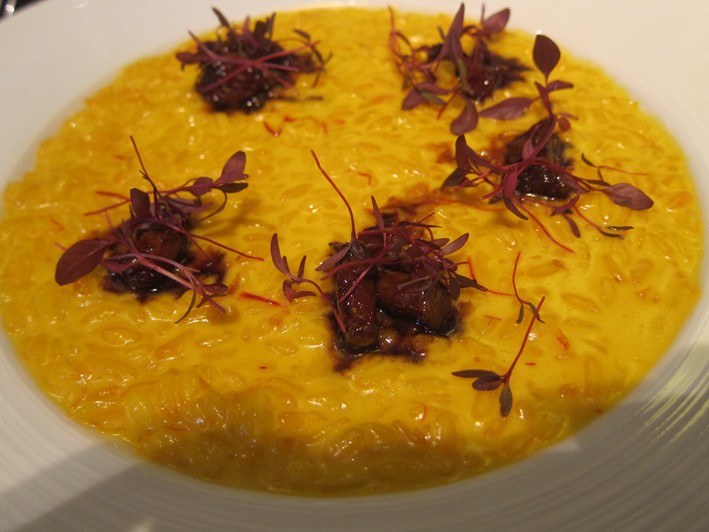
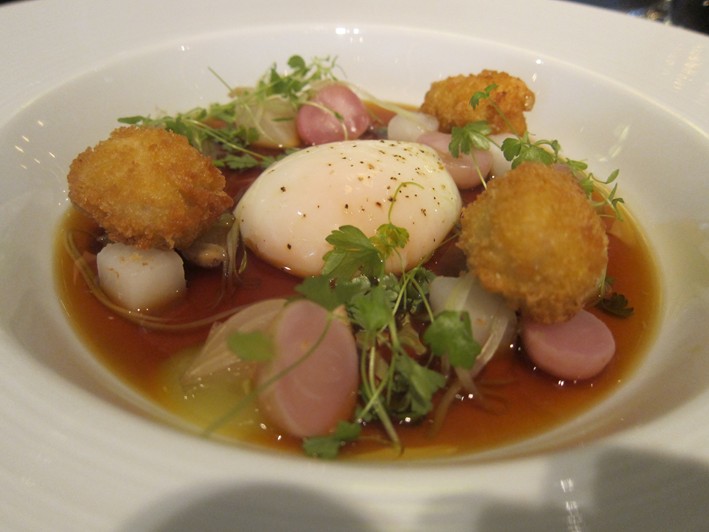
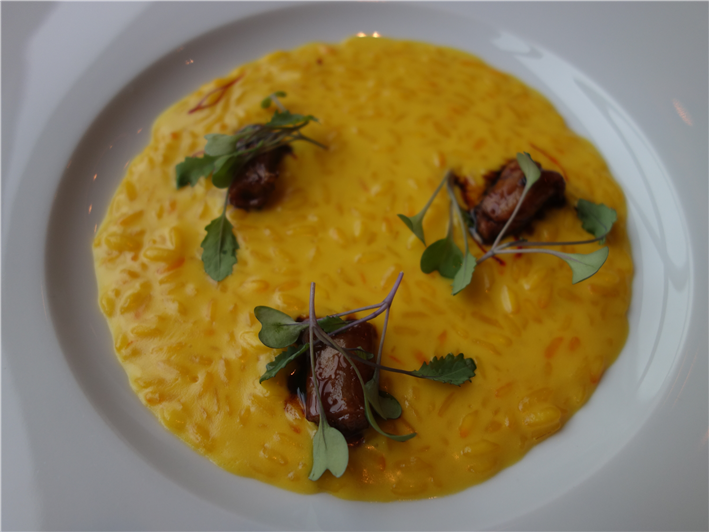
Rice and flesh was a saffron risotto but made with a red wine and chicken stock, here topped with little pieces of calf tail. The rice had excellent consistency, the saffron, which can easiy impart a metallic note, was not too powerful, and the overall effect is superb (18/20). Grilled octopus came with smoked sea broth, pickled dulse, lovage and Buddha’s hand, the leaves providing a pleasantly aromatic foil to the cephalopod, which avoided the chewiness that so often afflicts it (16/20).
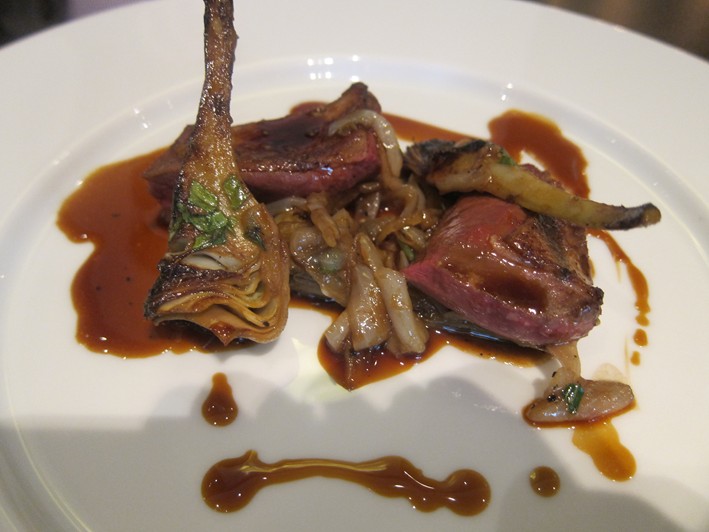
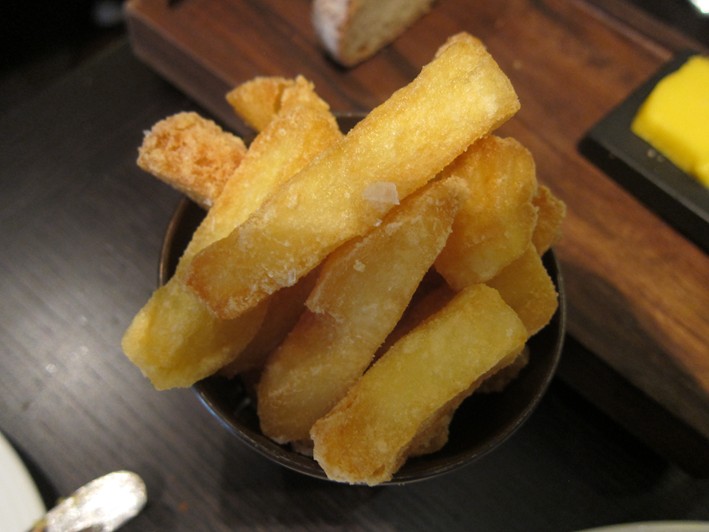
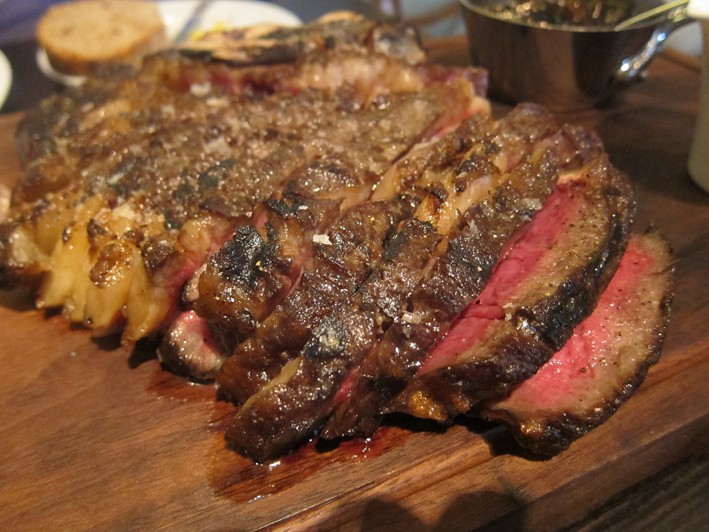
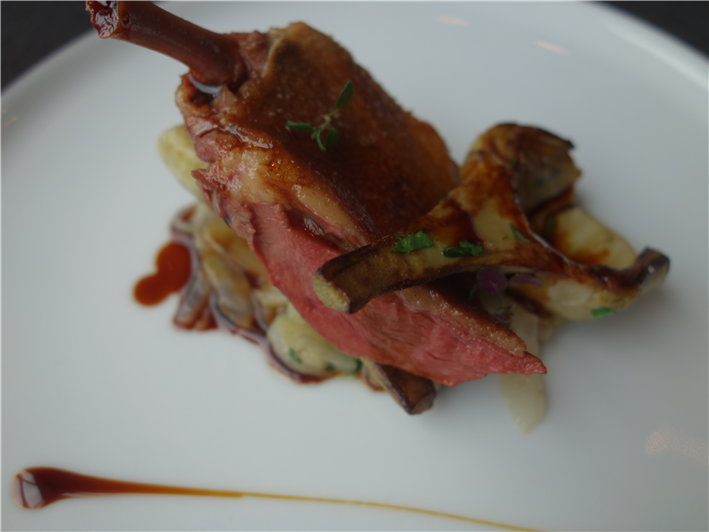
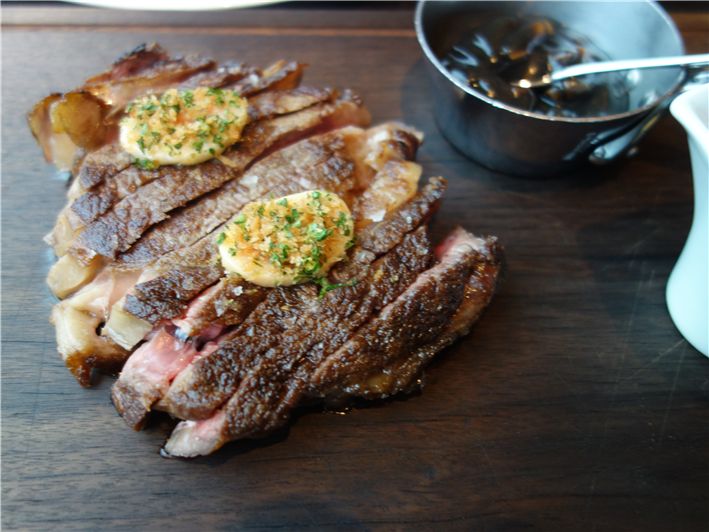
Pigeon was cooked in ale and spices and served with artichokes. The bird was cooked pink and the artichokes had good flavour (16/20). Rib eye of Hereford beef came with mushroom ketchup and a reduction of the cooking juices, with triple cooked chips on the side. The fat of the beef provided plenty of flavour and the chips were terrific, something that Heston had perfected years ago at The Fat Duck (17/20).
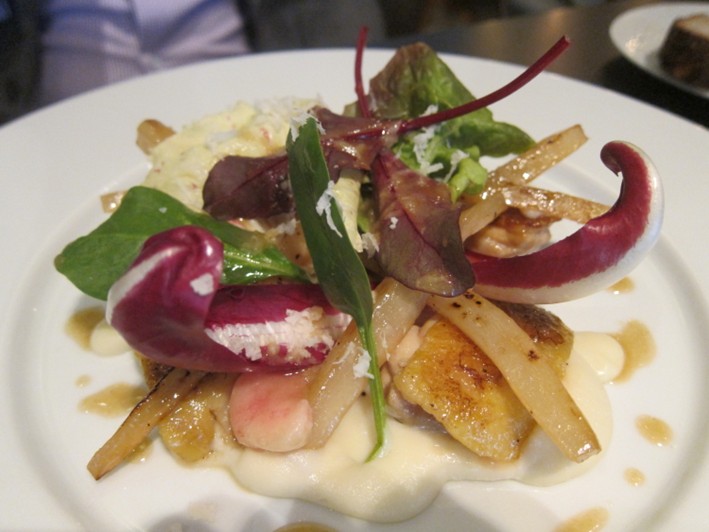
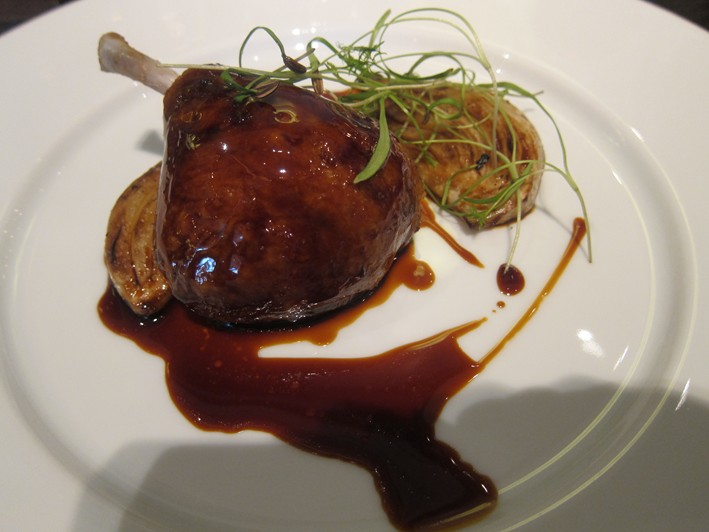
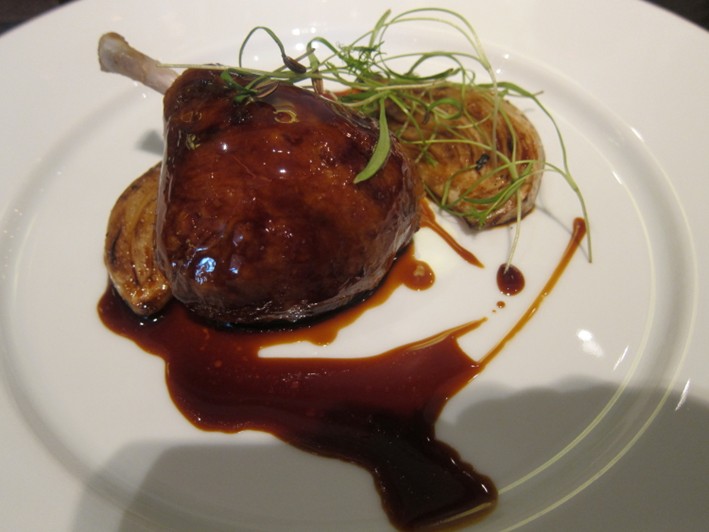
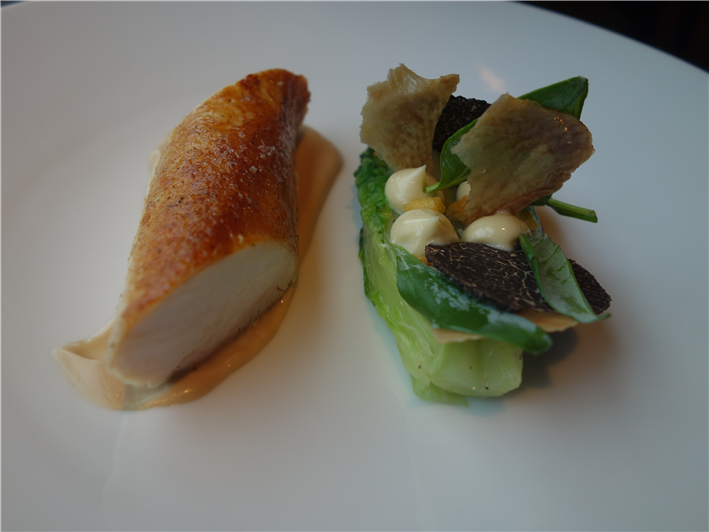
Chicken with lettuce and grilled onion emulsion was more interesting than it may sound, the skin crisp and the meat having a lot more flavour than is usually the case with chicken from England. This is due to some effort in sourcing: the bird was a Cotswold white chicken bred at Robert Caldecott’s farm in Worcestershire, which are allowed to roam free and to grow twice as long as the average chicken; the result has much better flavour than the “label Anglais” birds that many UK Michelin restaurants use (17/20).
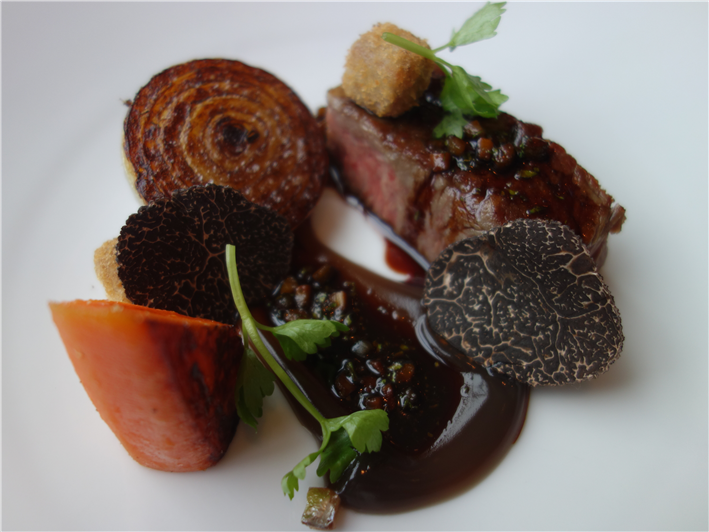
Beef royale featured slow-cooked UK wagyu beef short-rib (from Earl Stonham farm in Suffolk), served with ox tongue, roasted onion, carrots and a sauce of red wine with anchovy and truffle. It is inspired by a recipe published in 1723, based on a dish served at the coronation feast of James II. The beef was tender, the vegetables balancing the richness of the meat nicely, and the dish was attractively presented (17/20).
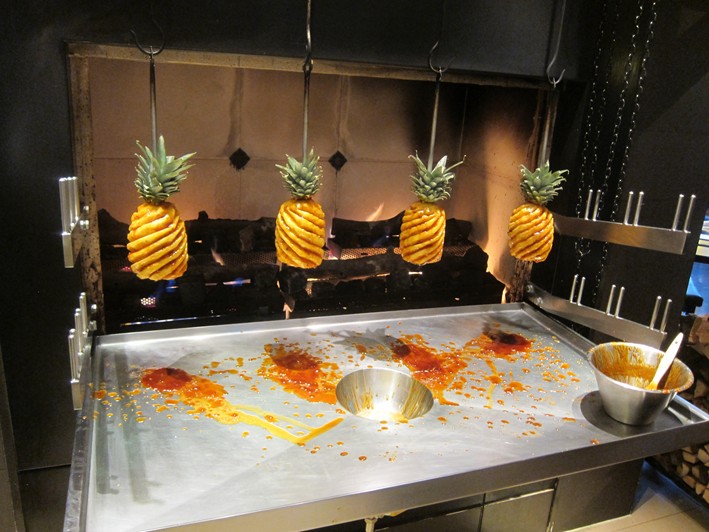
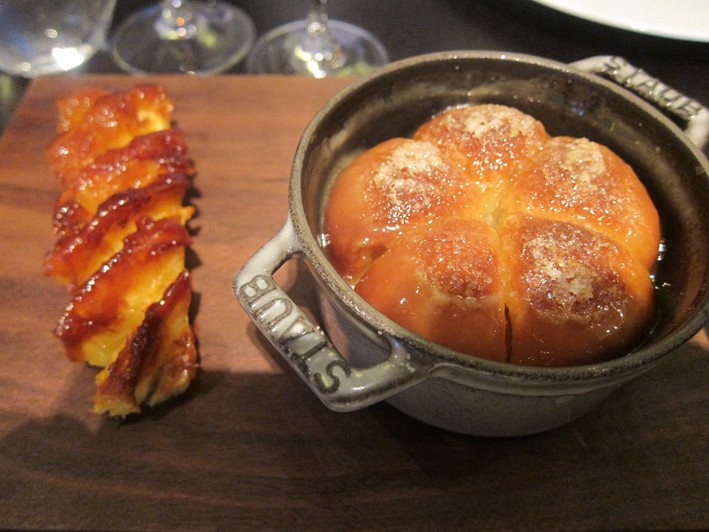
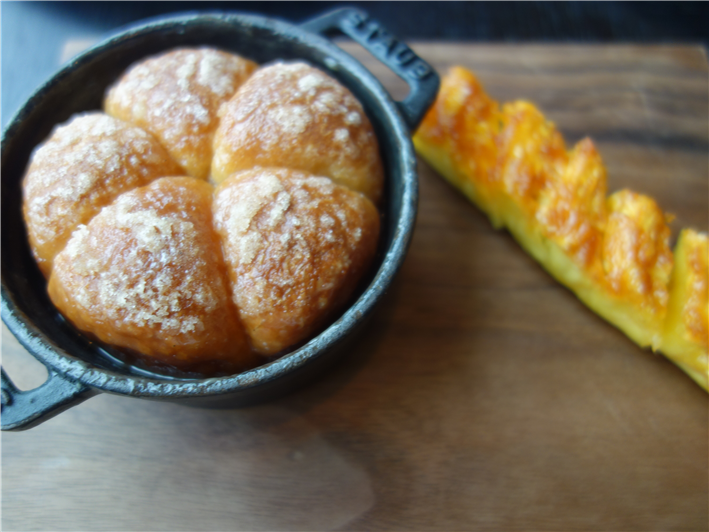
Tipsy cake is the signature dessert here and features a skewer of slowly cooked spit-roast pineapples. This is served alongside warm sponge cake soaked in sherry and brandy. The sharpness of the fruit is an ideal companion for the rich sponge cake – an excellent update of an old recipe (at least 18/20).
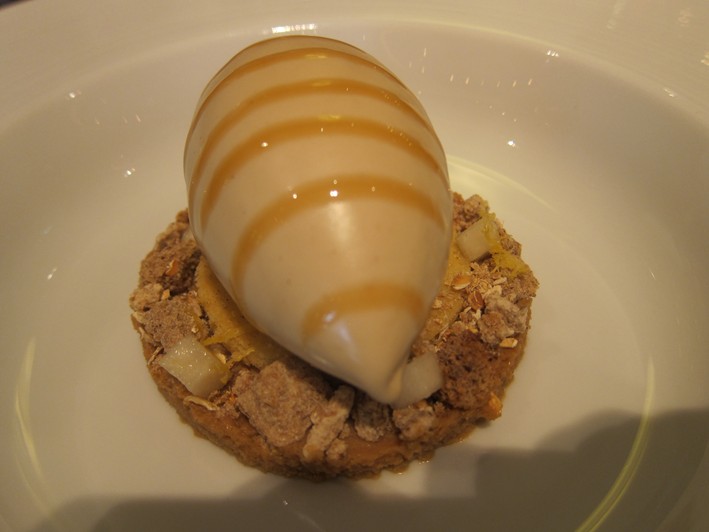
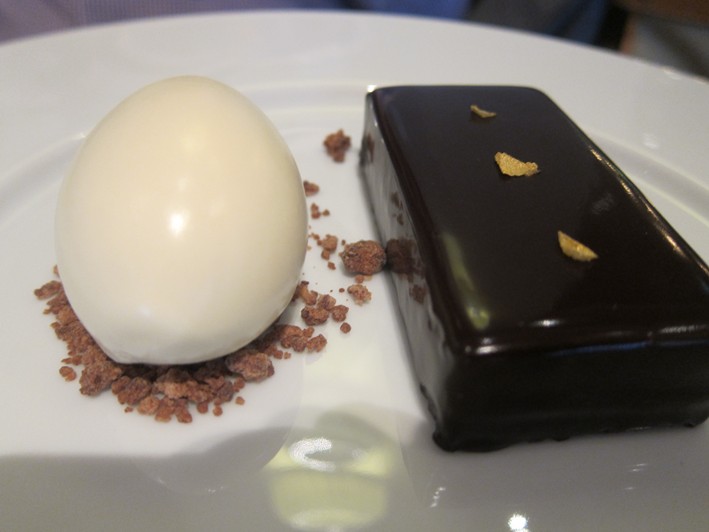
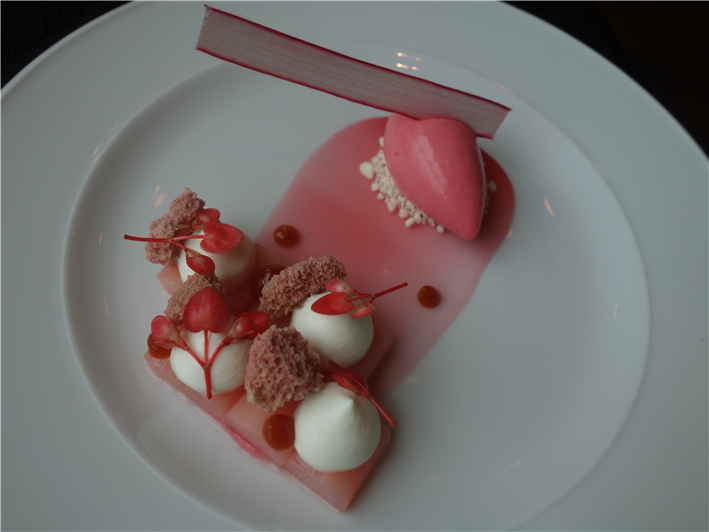
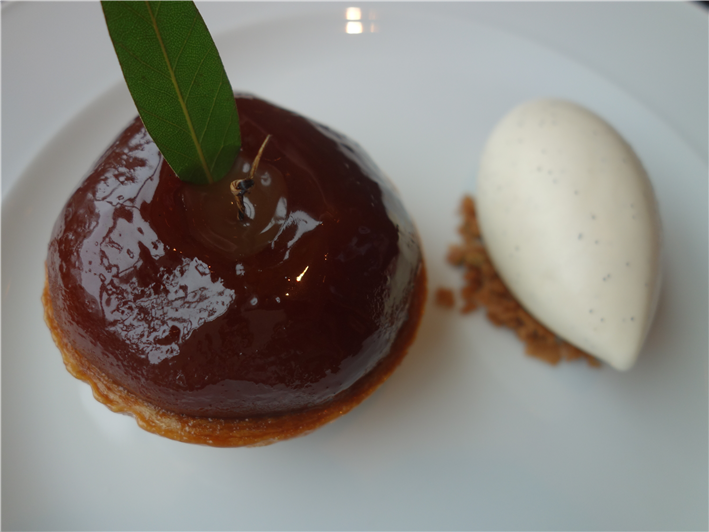
Rhubarb was seasonal, poached and served with rosehip jam, yoghurt cream and rhubarb sorbet. This was prettily presented, the tartness of the rhubarb working nicely with the yoghurt (17/20). Apple tart had caramelised apple on a base of eggs in verjus curd, served with Tahitian vanilla ice cream. The apples avoided being cooked too long and the vanilla had plenty of flavour (16/20).
Service was excellent, now headed by a manager (Mark Hastings) who has moved from HKK. The bill with just water to drink came to £77 a head. If you shared (or indeed could find) a modest bottle of wine then a typical cost per head for three courses would be around £95 a head. Dinner may not be the fifth best restaurant in the world (as San Pellegrino reckon in 2014), but it delivers consistently good dishes, some genuinely classy, and the overall experience is very enjoyable.
BookFurther reviews: 03rd Mar 2011
Salter UK
It looks like a fantastic restaurant, will have to visit soon enough!
@chris_caulfield
Been here several times and agree with this review. So of the dishes, particularly the range of starters, are exceptional. The tipsy cake is one of the few WOW deserts I have eaten and is worth a visit alone.