



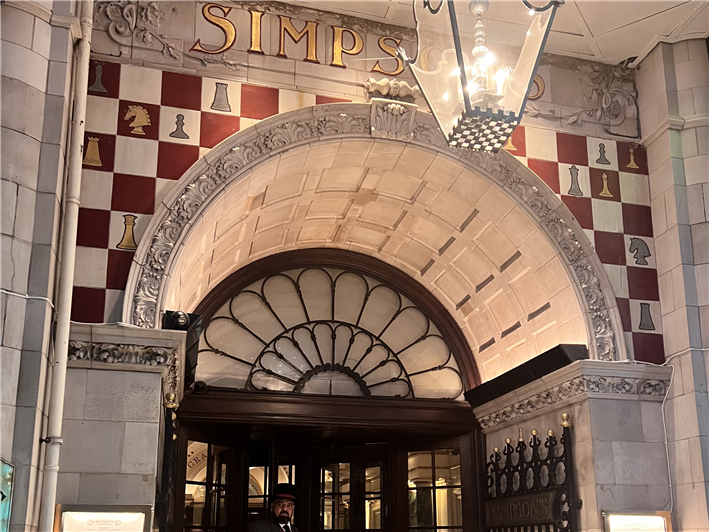

Simpsons on the Strand has an interesting history. It started as a coffee shop, the Grand Cigar Divan, opened by Samuel Reiss in 1828. John Simpson became a partner in 1848 and the venue became a restaurant called Simpson’s Grand Divan Tavern. In 1904 it became part of the Savoy Group, and moved next door to 100 The Strand. The restaurant prospered for many years, with Charles Dickens being one of its customers. I reviewed it in 2011 after being taken there by a friend, though by then it had seen better days. It never reopened after the Covid pandemic. In March 2026 it changed hands and reopened after a major refurbishment under the guidance of iconic restaurateur Jeremy King. This is Mr King’s fifteenth restaurant opening in London, who also currently runs The Park.
The restaurant had a long association with chess. The original café was a place where patrons could drink coffee, smoke cigars and play chess. By the mid 1800s it had become a major chess venue, with many famous players and various tournaments held there over the years. A very famous chess game, “The Immortal Game”, was played between Adolf Andersen and Lionel Kieseritsky in 1851. There are a few subtle references to this. Some of the cocktails have chess-related names, there are some chess references in the menu and there is a statuette of a knight on a plinth in the upstairs ballroom.
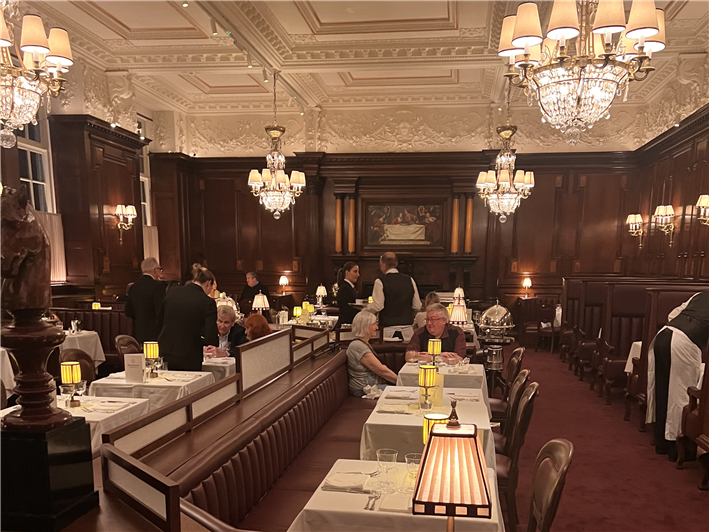
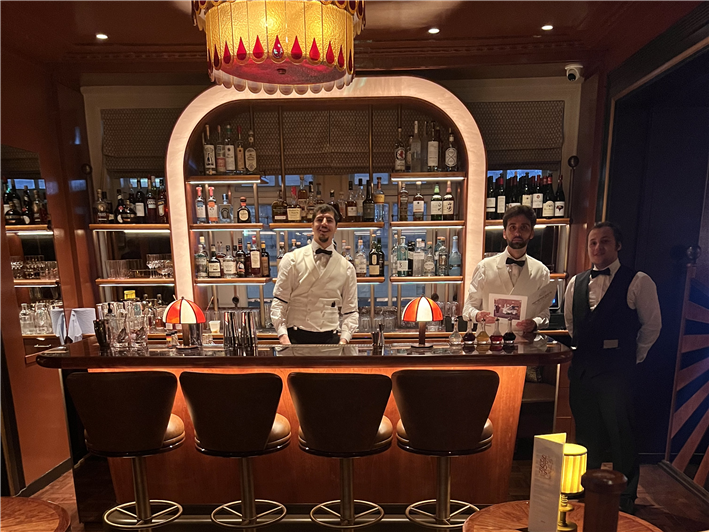
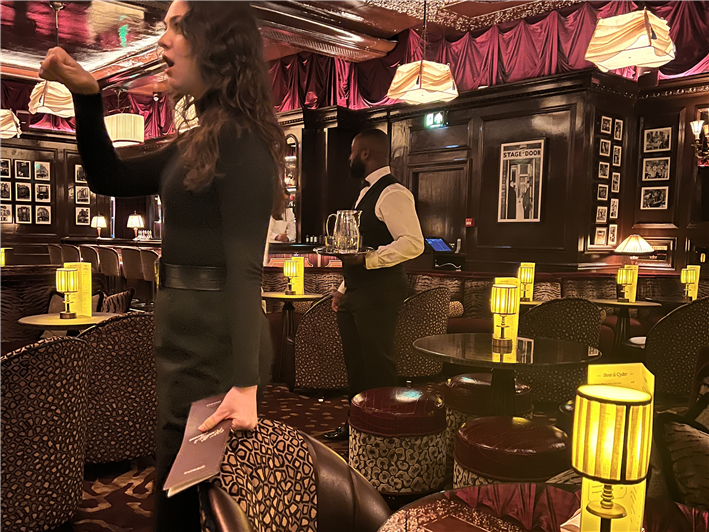
Simpsons is a huge space (21,500 square feet in all). The main dining room is now called the Grand Divan, and there will be a separate restaurant (Romano’s, with a menu rather like Zedel Brasserie) upstairs in due course, as well as a large private dining room/ballroom. There are also two bars, The elegant Simpson’s Bar and a new late-night bar in the basement called Nellies, which has a separate entrance. I ate at the Grand Divan which has been painstakingly restored, and still features its trolleys, where roast rib of beef is carved at the table. The executive chef is David Stevens, who formerly was executive chef of The Wolseley. The menu was a la carte, and included rib of beef carved at the table and served on a trolley, just as in the old days of this restaurant.
The wine list had 129 labels and ranged in price from £29 to £795, with a median price of £87 and an average markup to retail price of 2.9 times, which is very fair these days. Sample references were Les Grand Vins Touraine Sauvignon Blanc 2024 at £49 for a bottle that you can find in the high street for £9, Riesling Halbtrocken Maximin Grunhaus 2024 at £59 compared to its retail price of £14, and Domaine Raspail AyGigondas 2022 at £81 for a wine that will set you back £35 in the high street. For those with the means there was Elisabeth Salmon Billecart-Salmon Brut Rosé 2012 at £195 compared to its retail price of £174, and Château Leoville Barton 2014 at £210 for a wine whose current market value is £82.
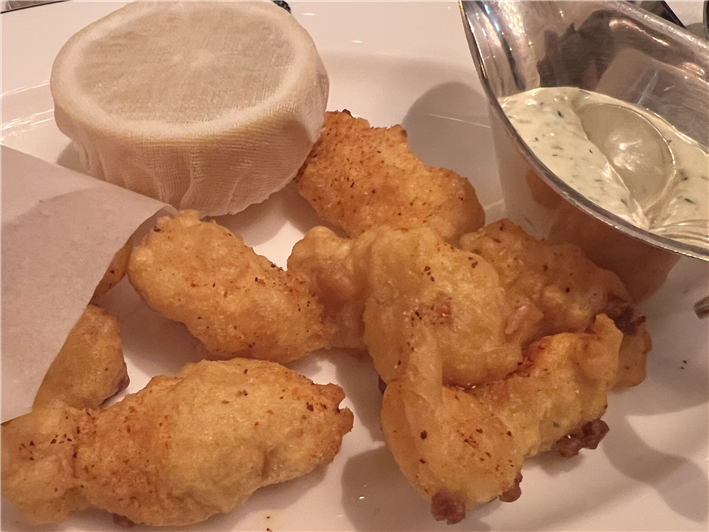
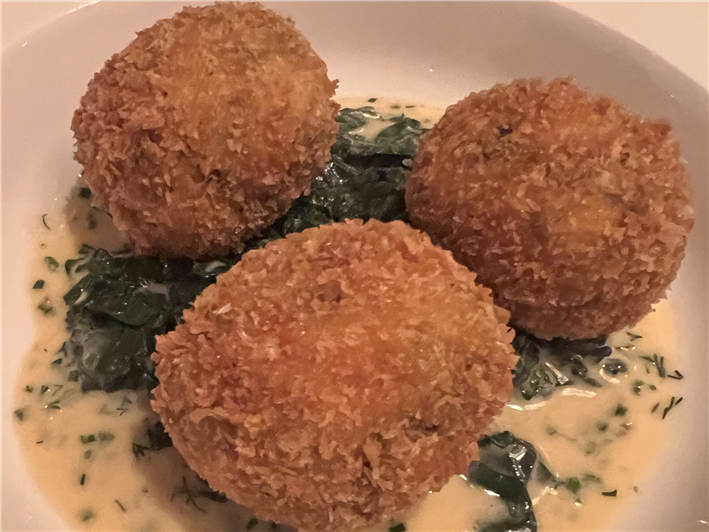
Dressed crab with avocado and a few pieces of grapefruit and a citrus dressing. This was very good. It is a simple dish for sure, but the crab was free of shell and had good sweetness, the avocado was ripe and the grapefruit is a clever pairing for this, its sharpness bringing some contrast (easily 13/20). My scampi was less successful, having quite a limp and soggy exterior, though the langoustine filling was fine (11/20).
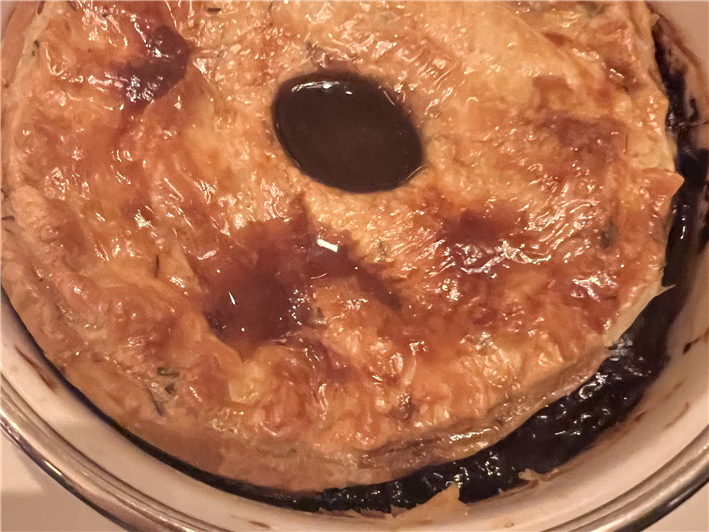
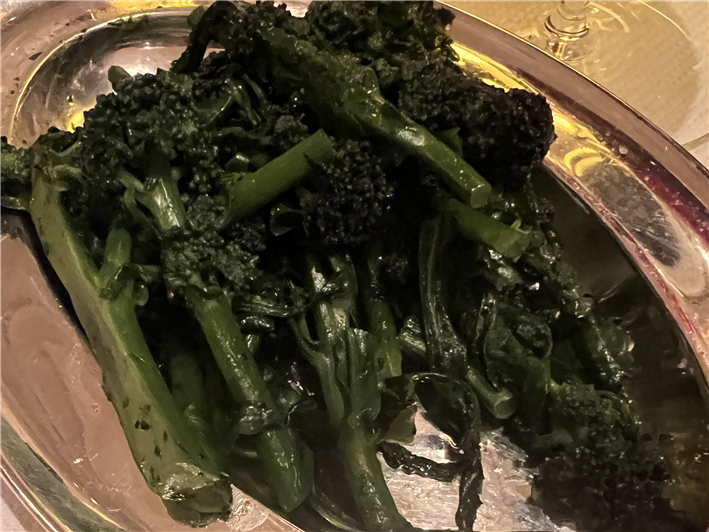
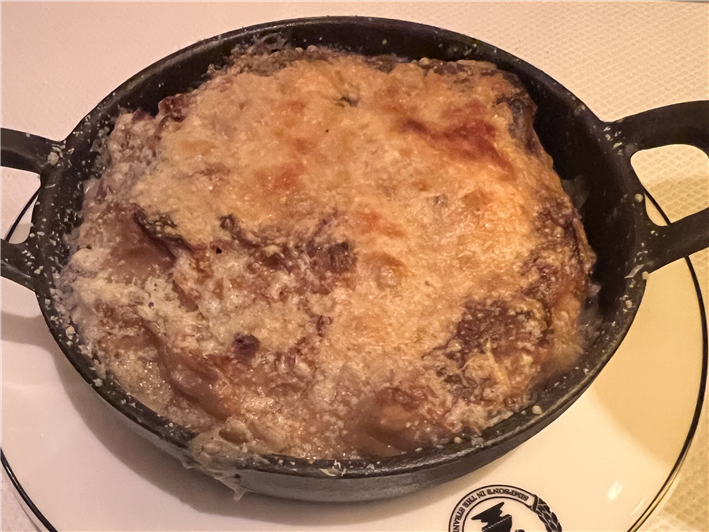
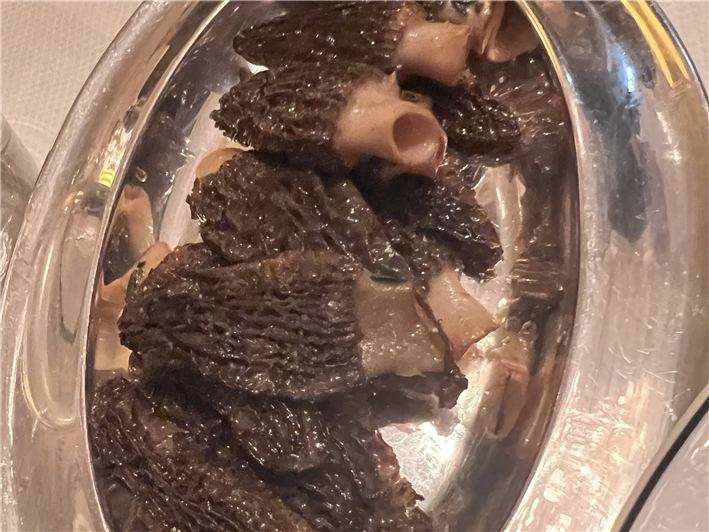
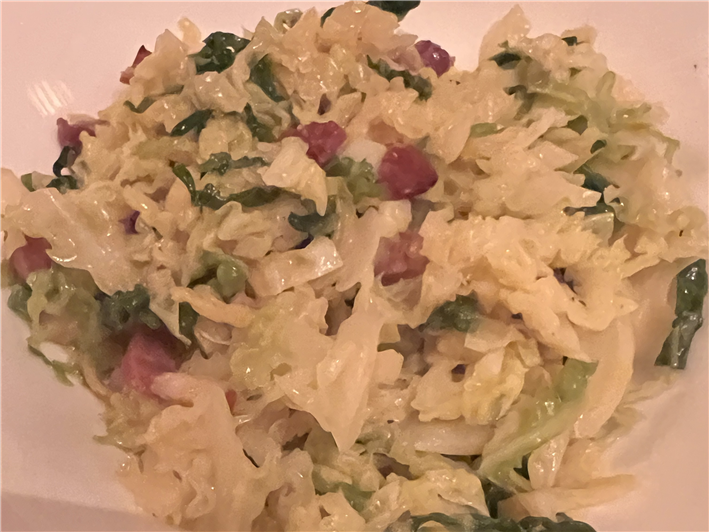
Salmon fishcakes had a good outer coating, with a filling that lacked much salmon but tasted to me a little of haddock, which was not a bad thing. This rested on a base of spinach, which was rather soggy (12/20). The dish of the night was beef and ale pie. The pastry of the pie was excellent, and there was plenty of tender beef. Over the years I have tried a lot of pies, and it is surprising how many are watery, or have either tasteless or chewy fillings. This was a fine example of the breed, nicely seasoned and the beef having good flavour (strong 14/20). On the side we tried some good broccoli, slightly mushy cauliflower cheese, decent cabbage with bacon and some nice morels.
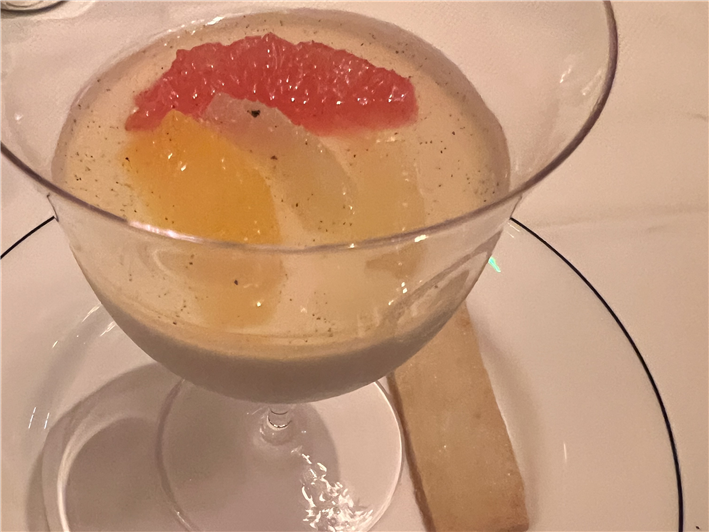
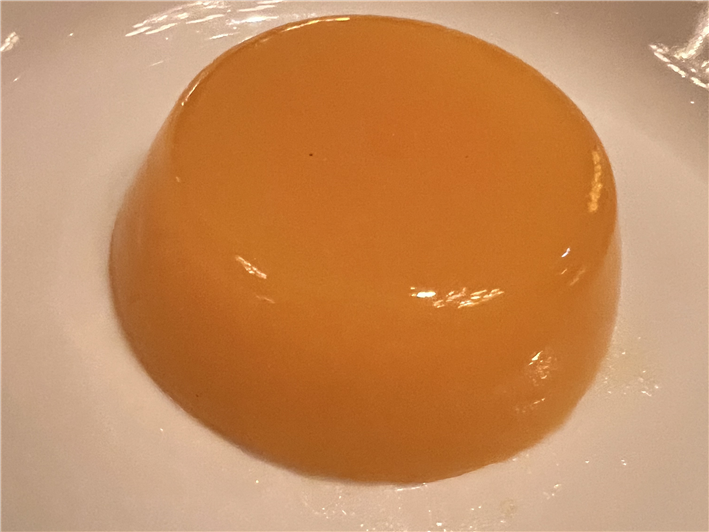
Clementine jelly had good texture but, rather oddly, the usually quite bold and distinctive flavour of the clementine was rater subdued (12/20). Lemon posset is a classic English dessert, a simple combination of sugar, cream and lemon which is allowed to set. This was a decent version, where perhaps just a touch more sugar may have been useful (13/20). It came with a nice shortbread biscuit. I tried making a number of posset recipes at home once to do a side by side comparison, and the one that was the best was that from food writer Jill Dupleix, edging out some recipes from quite famous chefs. Anyway, this was a nice enough dessert, and one that fitted the theme of the restaurant well.
Service was very good throughout the evening, with welcoming and friendly staff. The bill came to £133 per person. The relaunched Simpsons has done a fine job of restoring an English classic to its former glory. The space is lovely, the menu is appealing and the staff are great. This isn’t pushing any culinary boundaries but then that is not the idea. A warm welcome back to Simpsons.
Add a comment
Thank you for submitting your comment, this will be checked and added to the website very soon.
User comments