


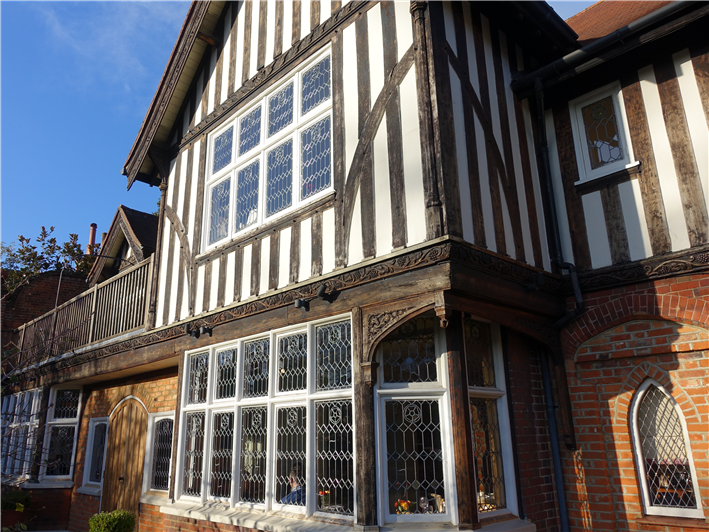

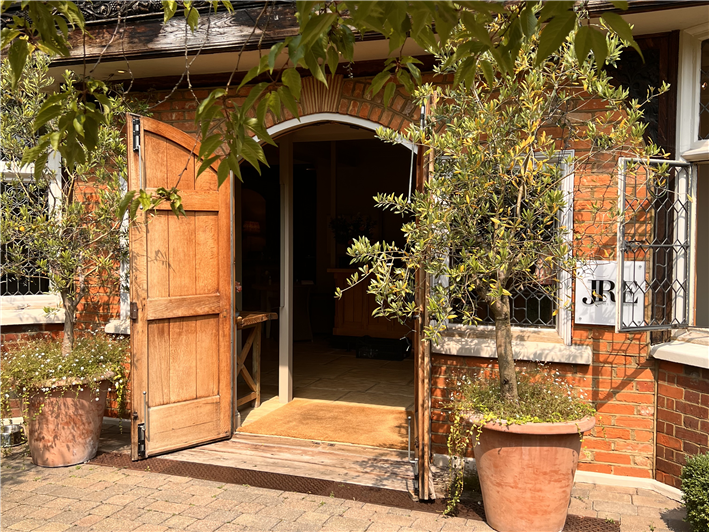
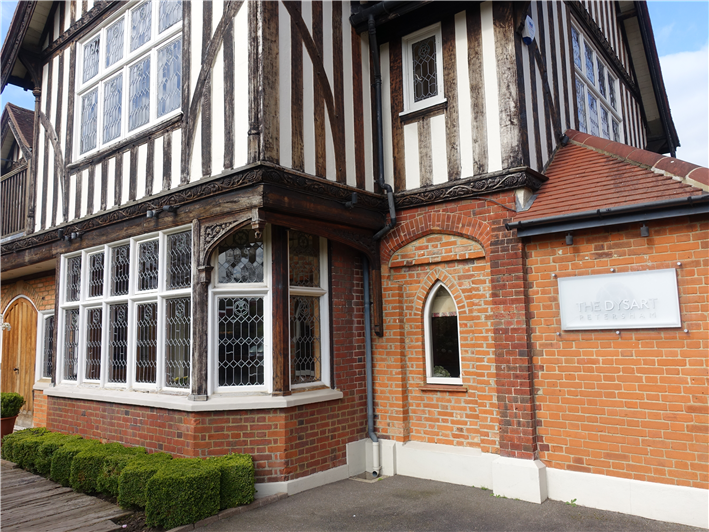
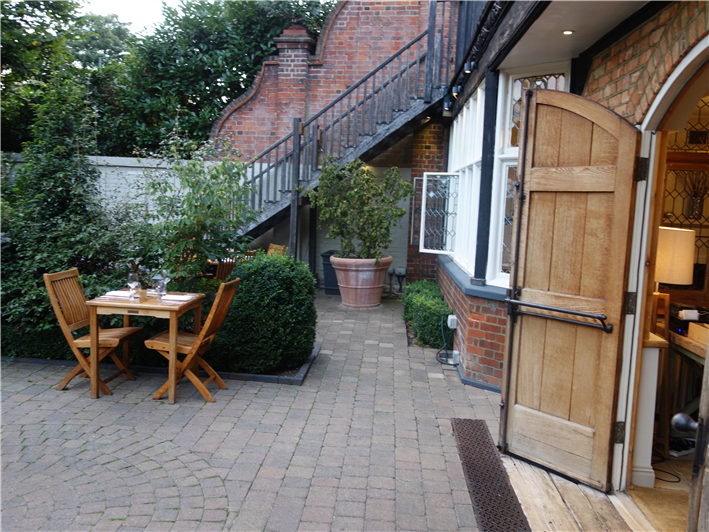
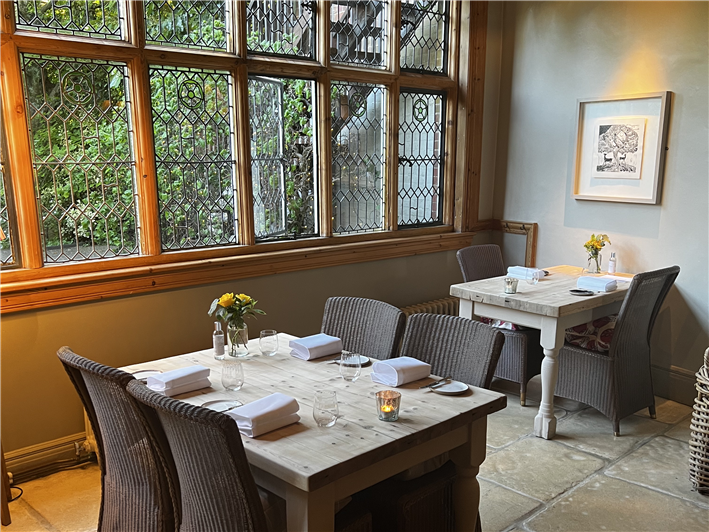
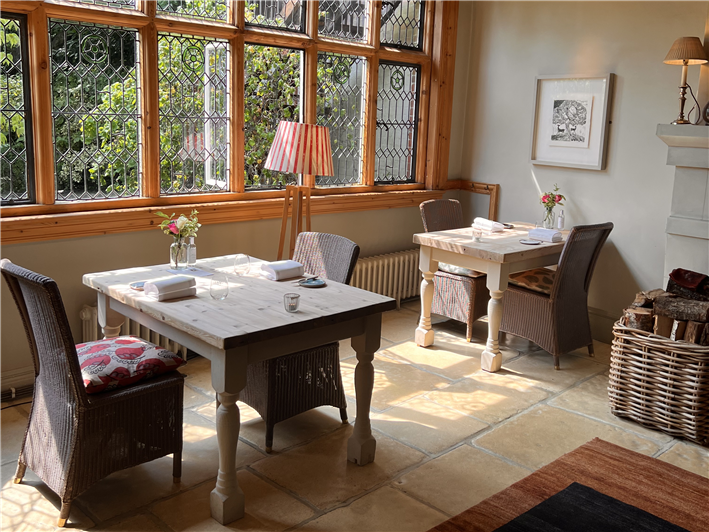
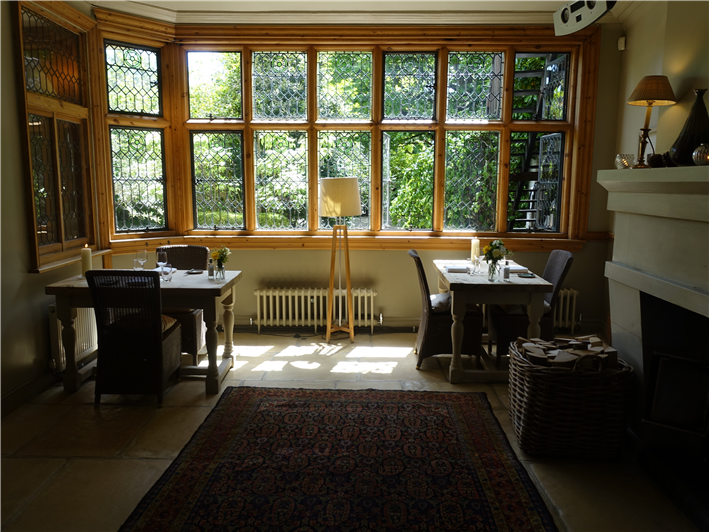
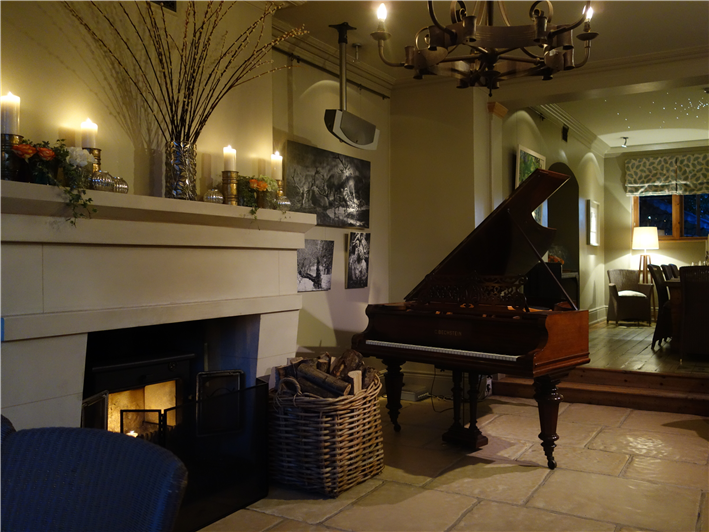
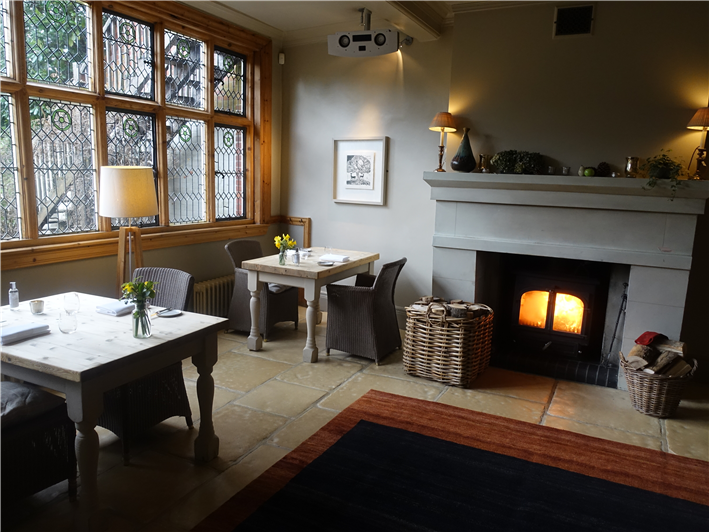
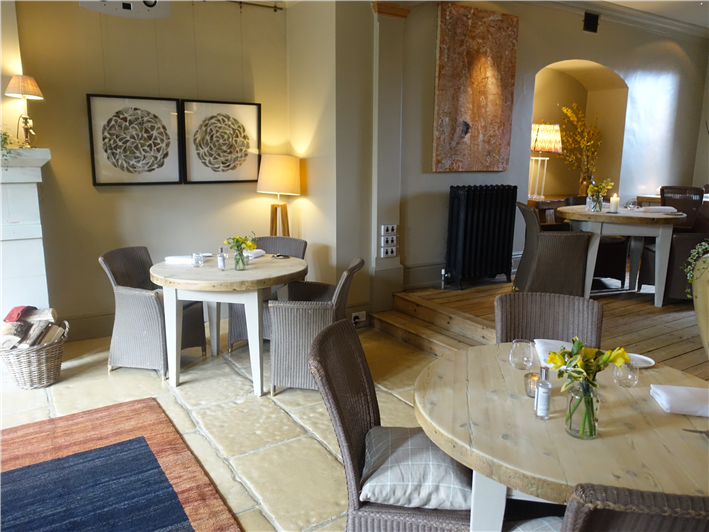
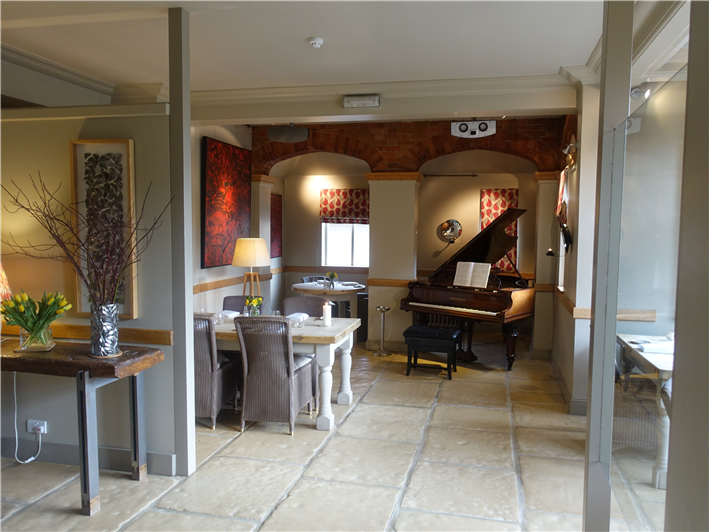
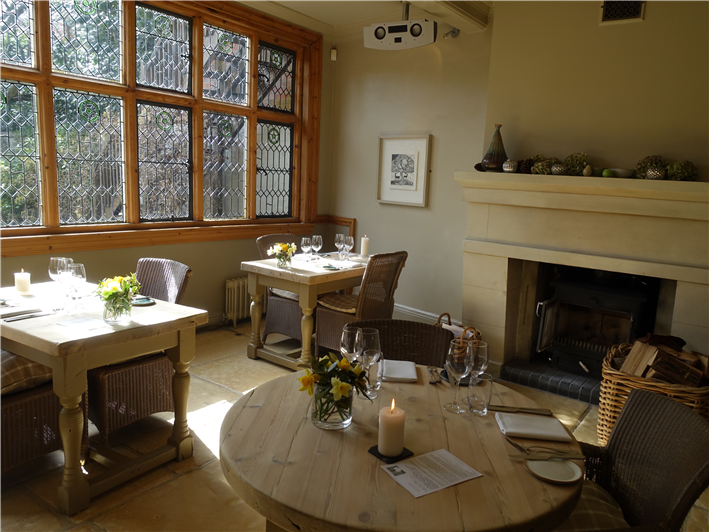
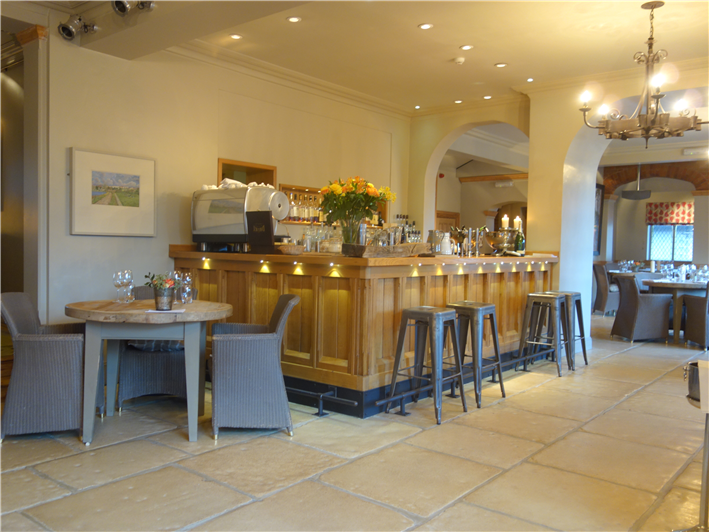
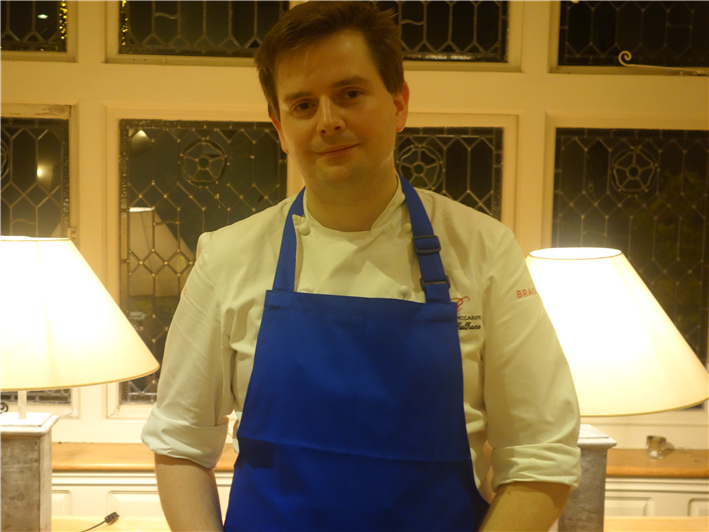
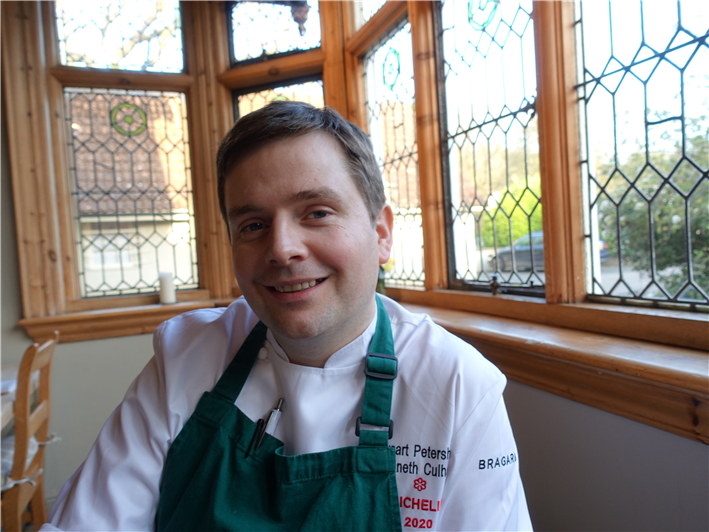

I have written previously about the Dysart and the background of its talented chef, Ken Culhane. The extensive tasting menu was £155.
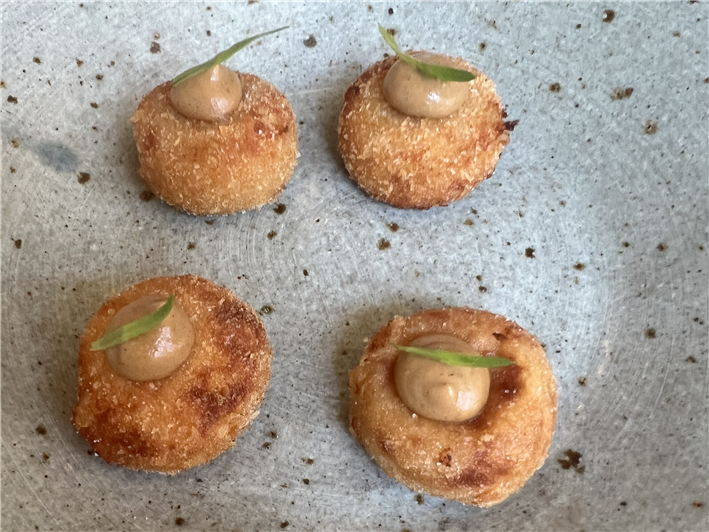
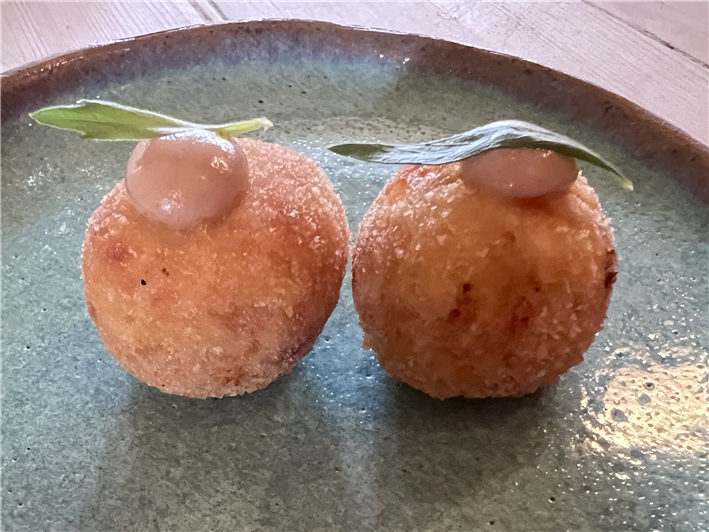
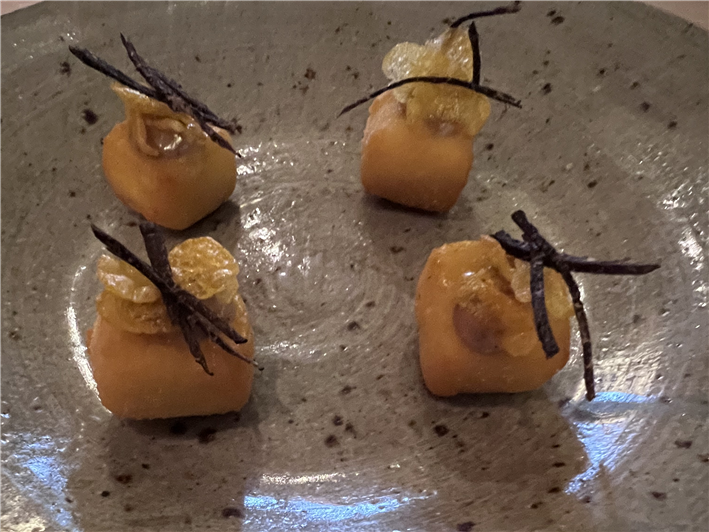
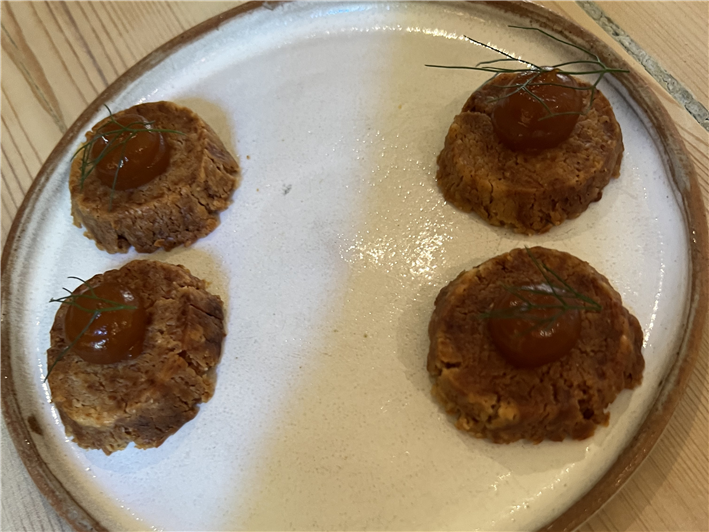
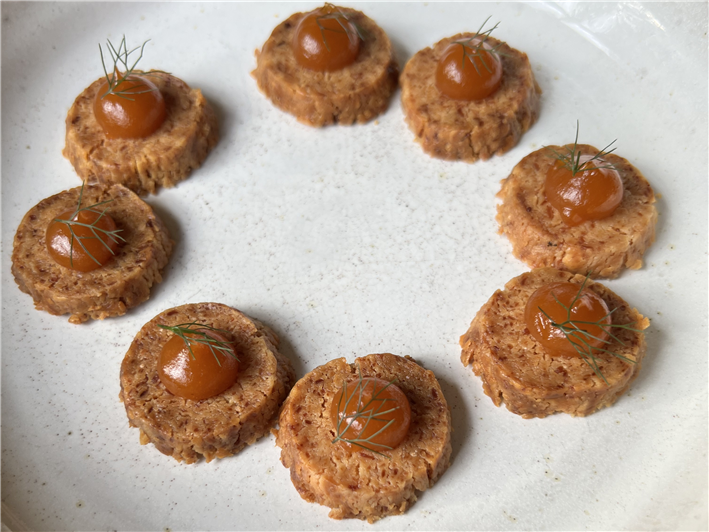
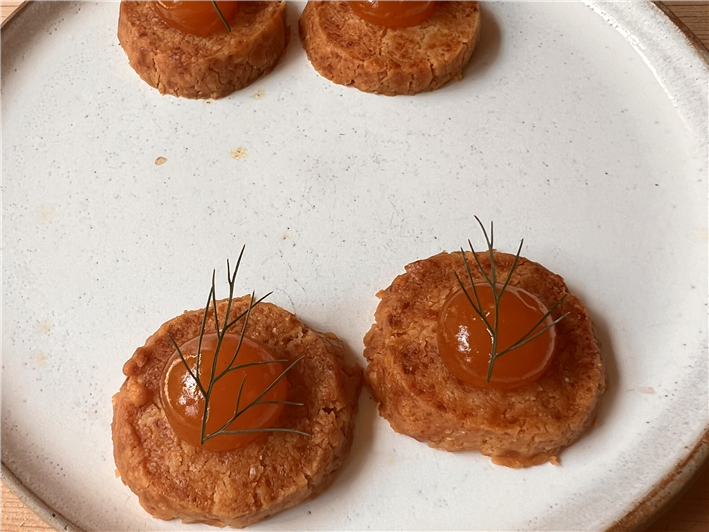
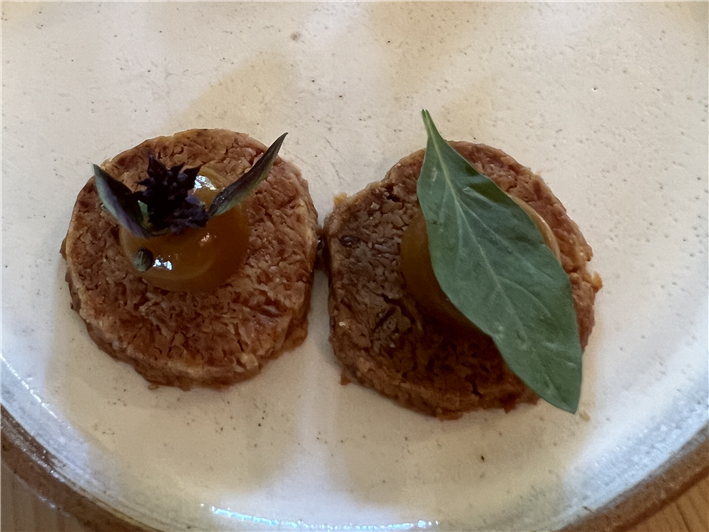
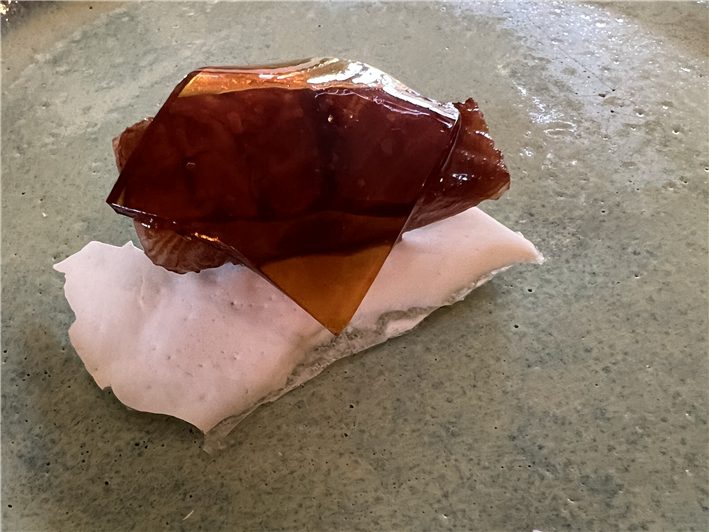
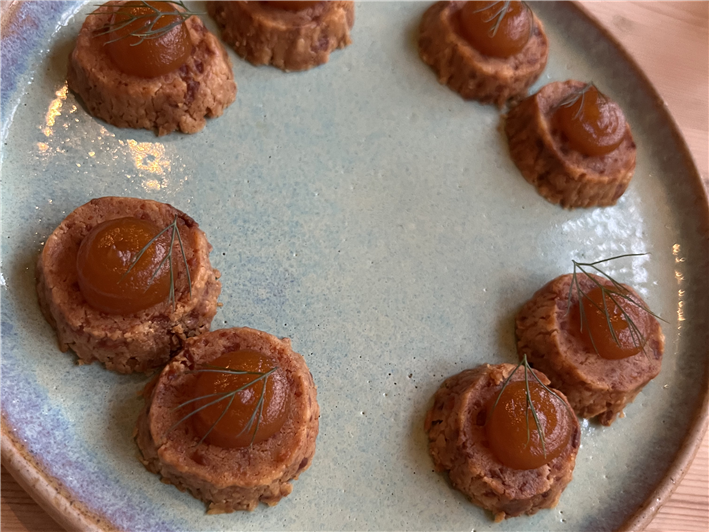
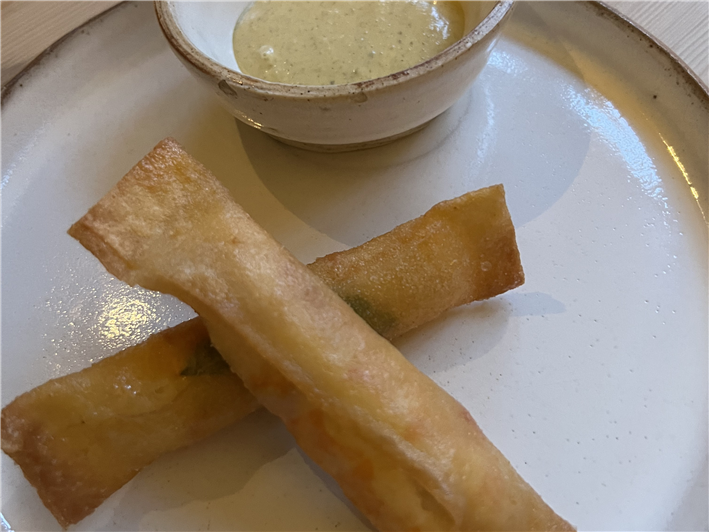
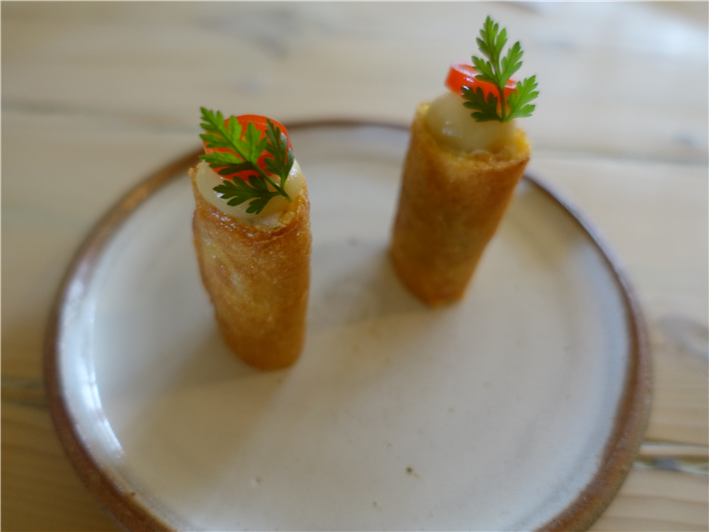
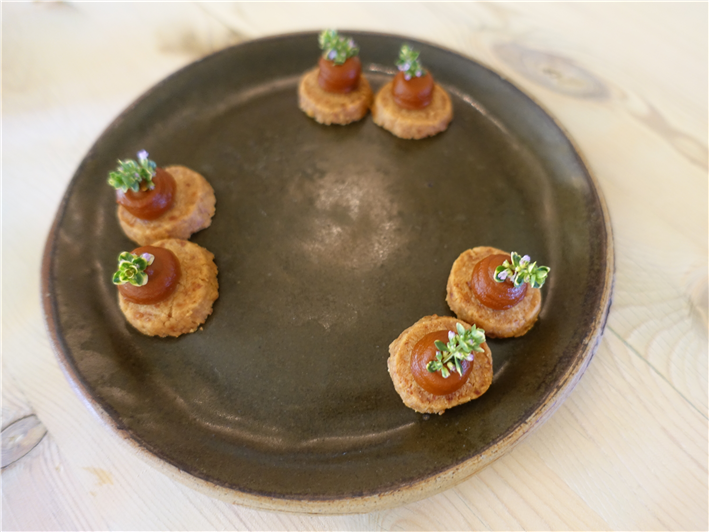
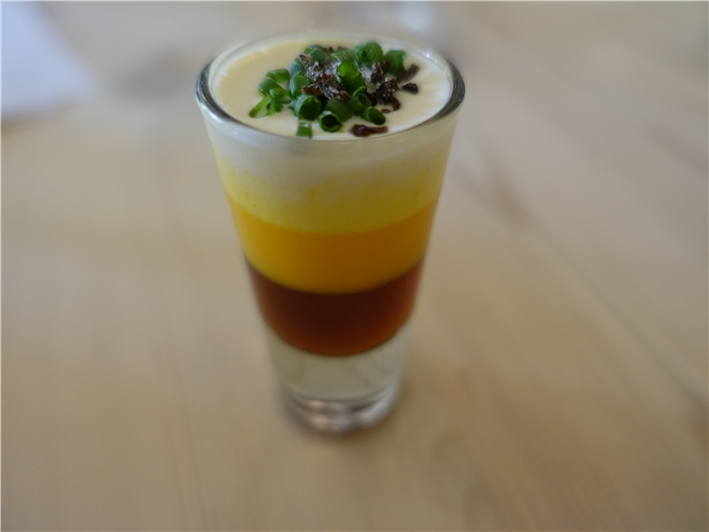
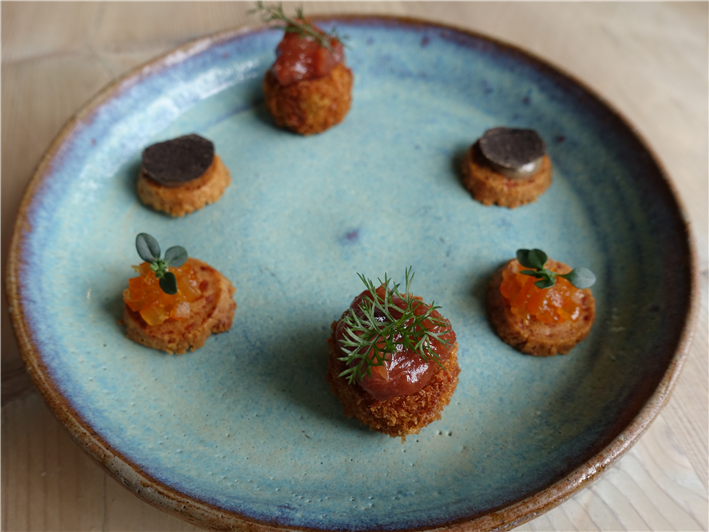
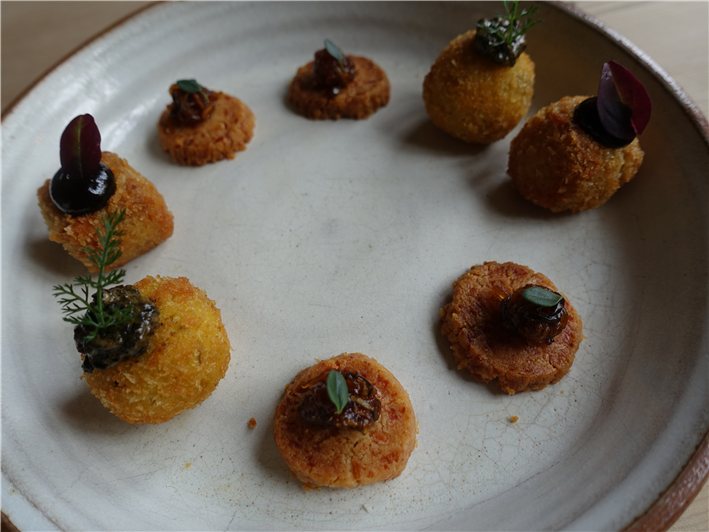
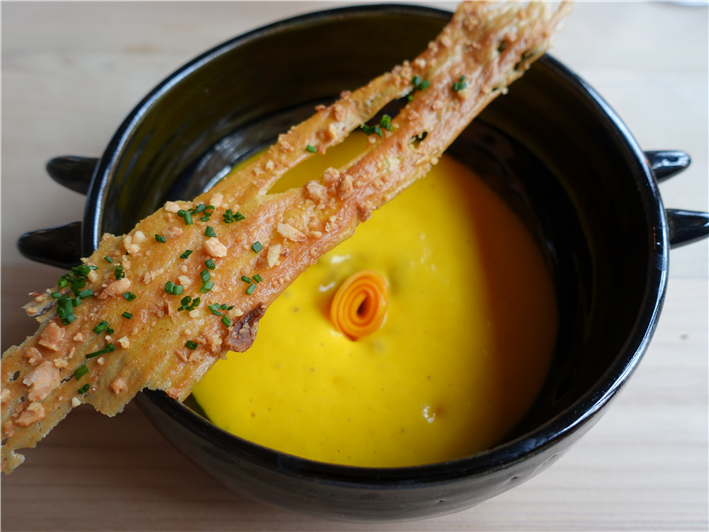
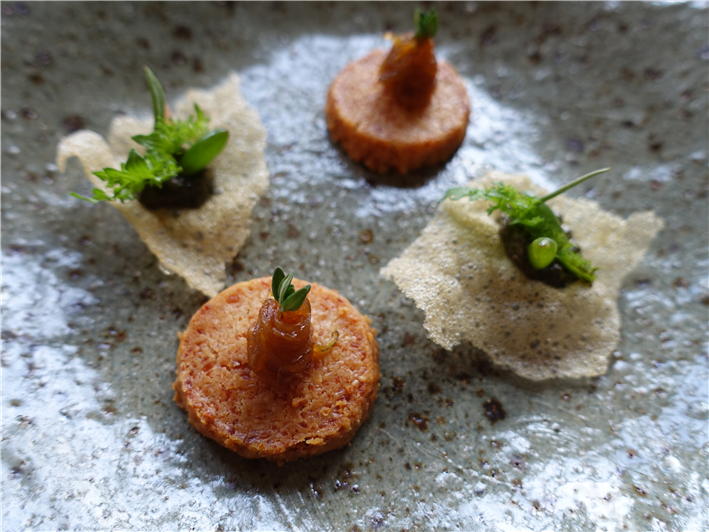
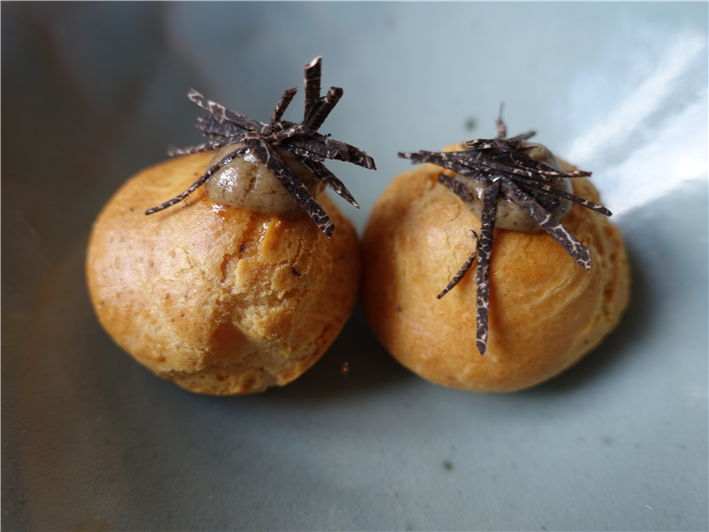
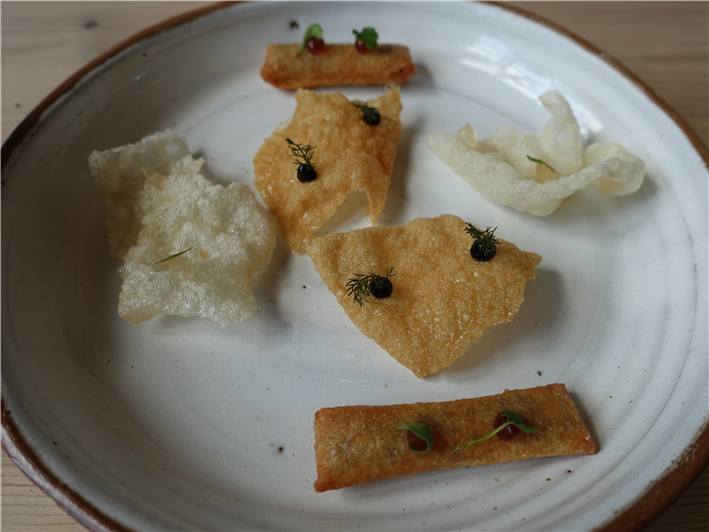
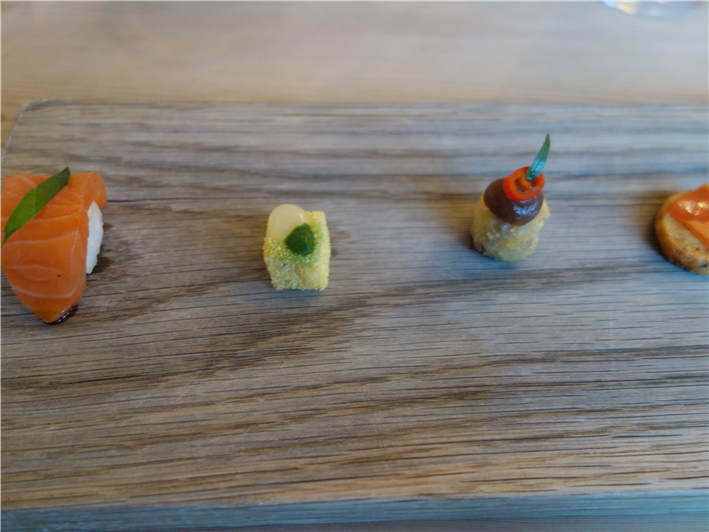
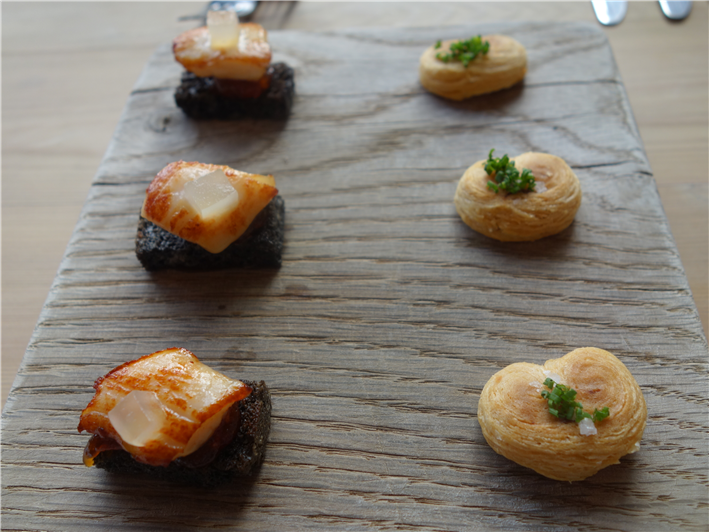
This latest meal started with a selection of canapes. A croquette of Calvados and Spenwood ewe’s milk cheese (from Berkshire) with burnt apple and tarragon was the first canape. Crispy, golden croquettes had plenty of Spenwood cheese in the centre, lifted with aromatic Calvados and from the shallots cooked in the alcohol. They are finished with a little local chilli, topped with a local wild apple purée garnished with a little tarragon. The balance was good, the canapé warm and comforting, though the texture was arguably a touch soggier than it might have been, and slightly different to how I recall it on a previous visit.
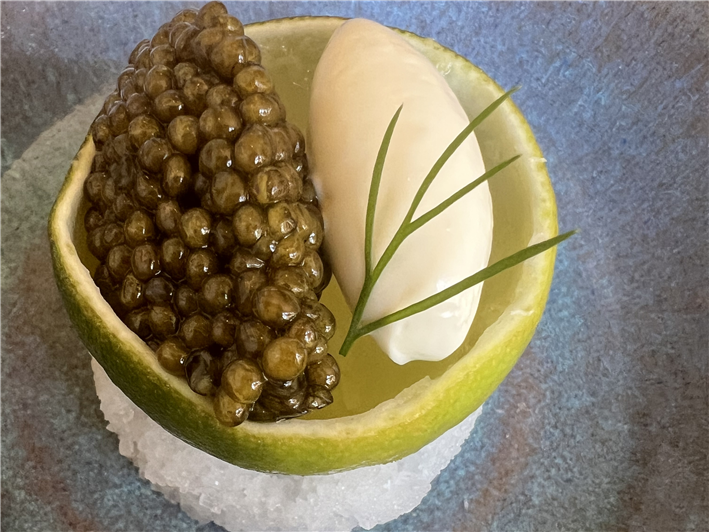
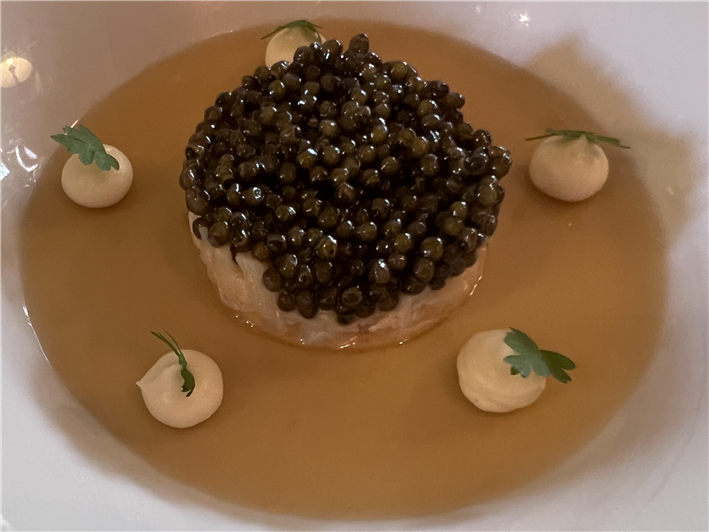
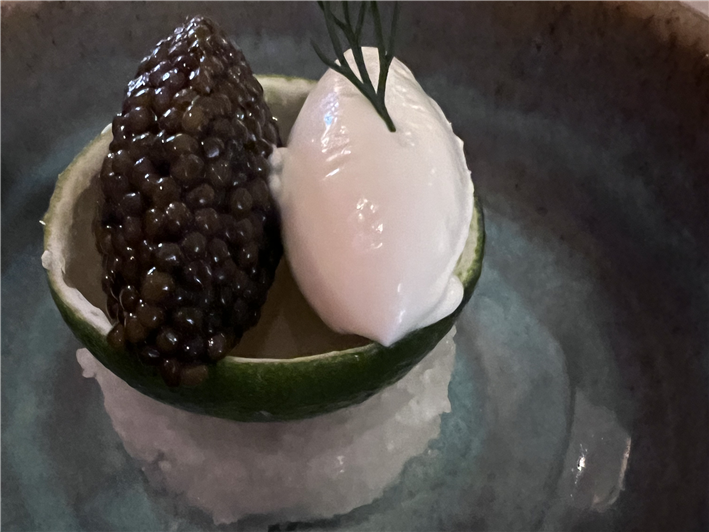
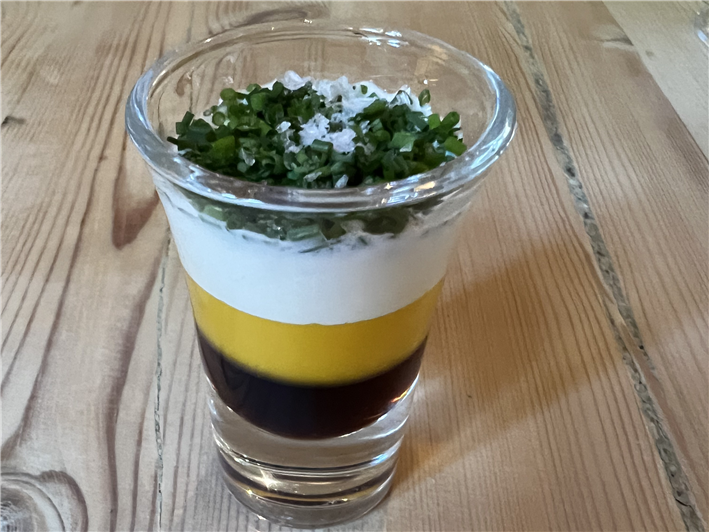
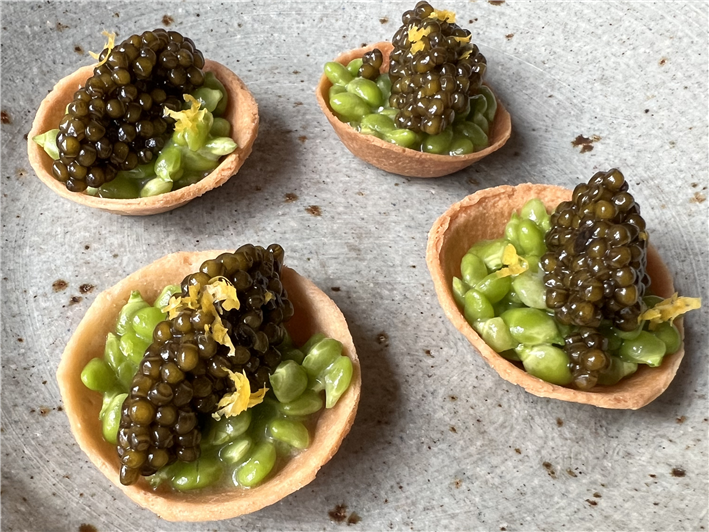
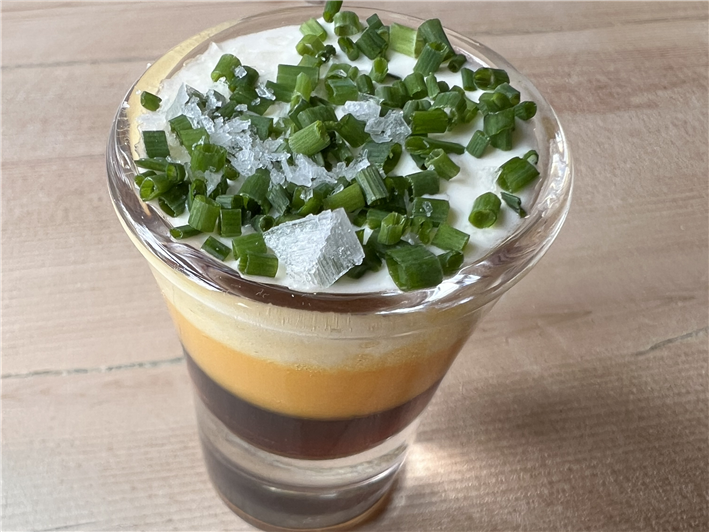
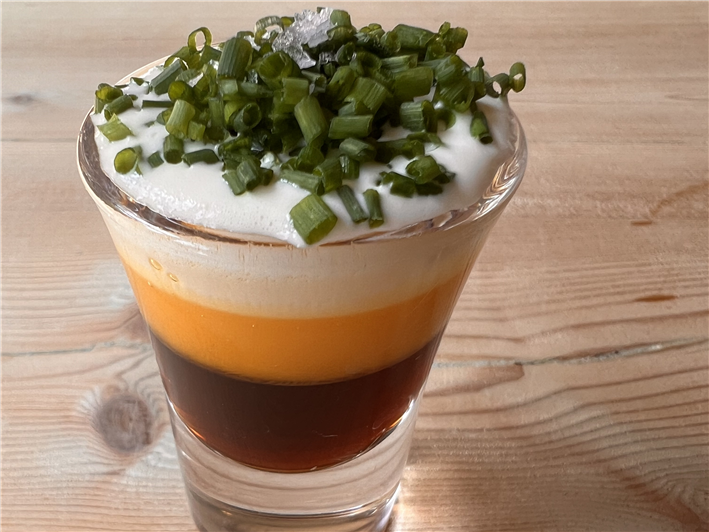
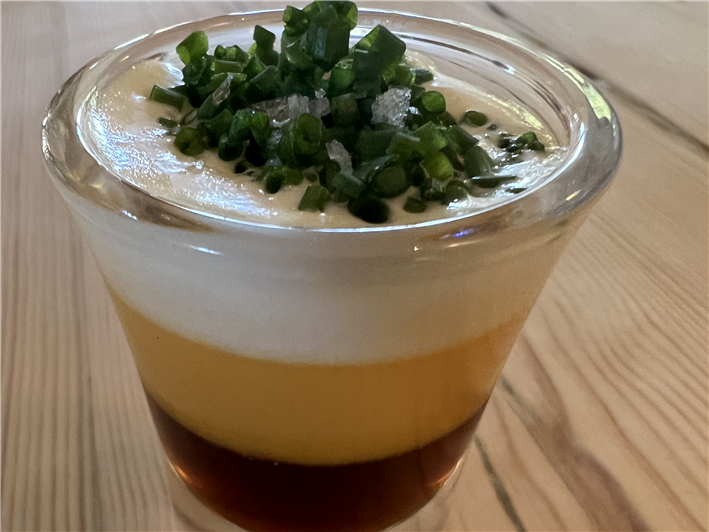
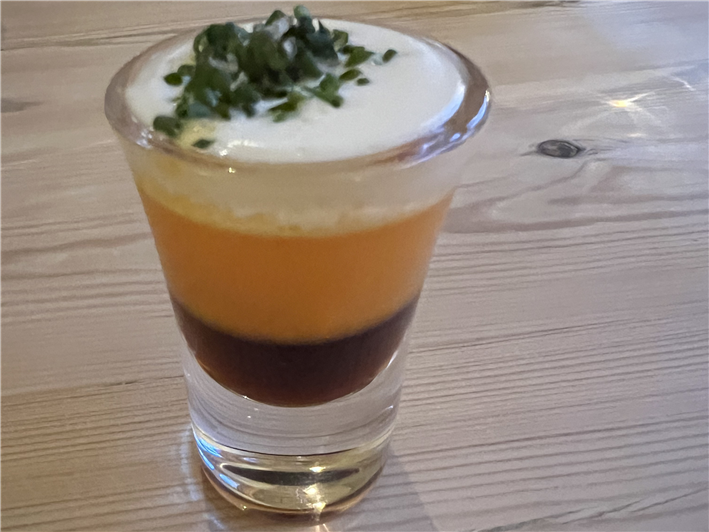
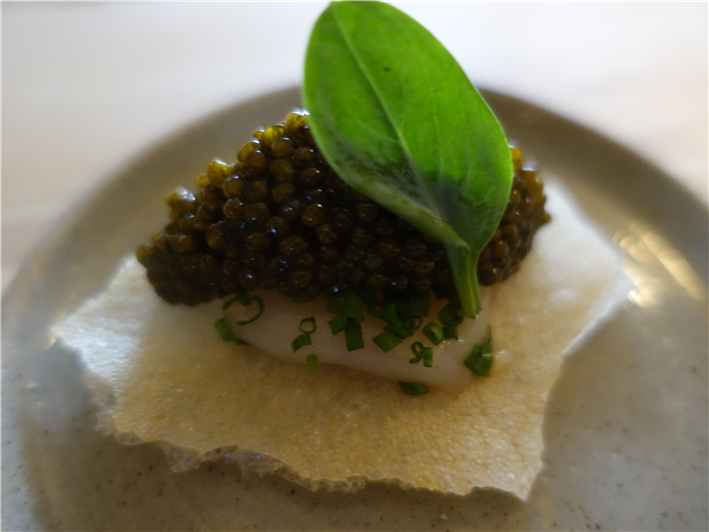
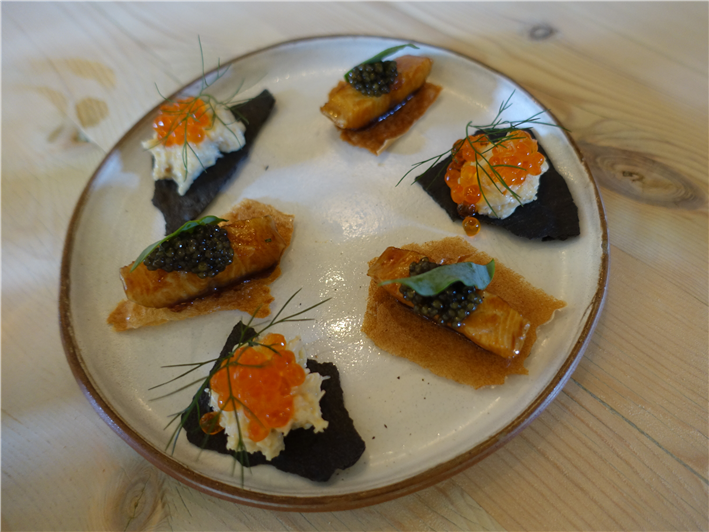
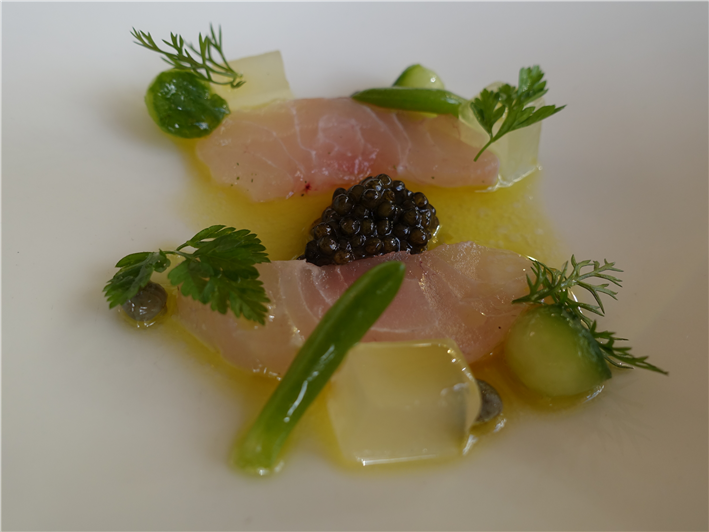
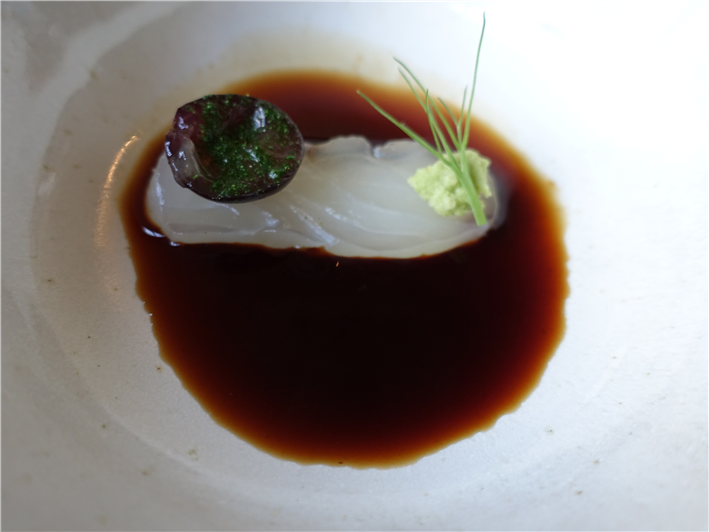
Next was English yuzu with N25 oscietra caviar, crème fraîche and dill, served in a hollowed yuzu shell. A little local elderflower is folded in, allowing its gentle floral notes to lift the jelly into something light and refreshing, providing a counterpoint to the caviar’s briny depth and subtle texture. The dish was finished with a little high-quality crème fraîche and a few sprigs of dill. The overall effect was a blend of sea scents, salt, and citrus notes. The caviar and crème fraiche went well together, the acidity of the yuzu cutting through the richness, the dill adding an aromatic note.
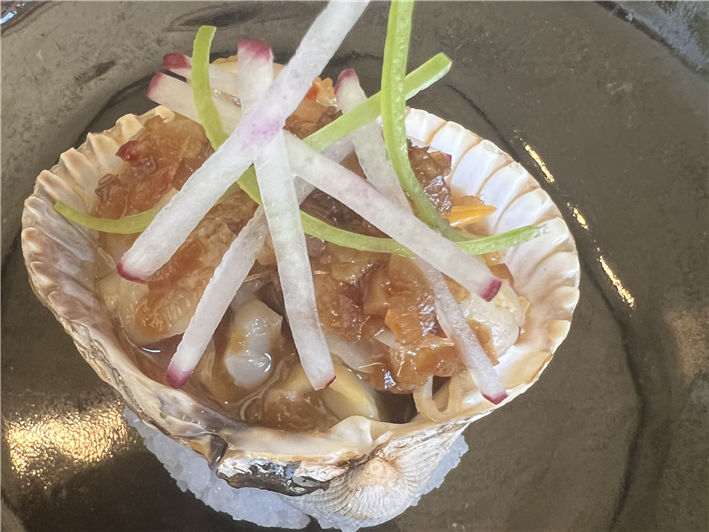
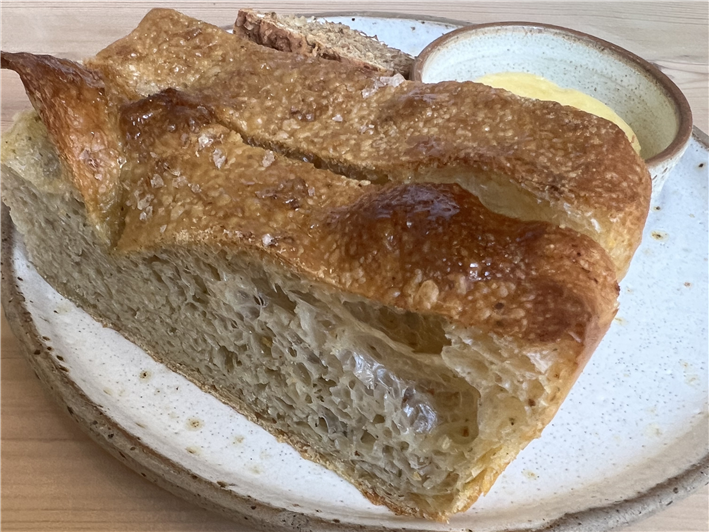
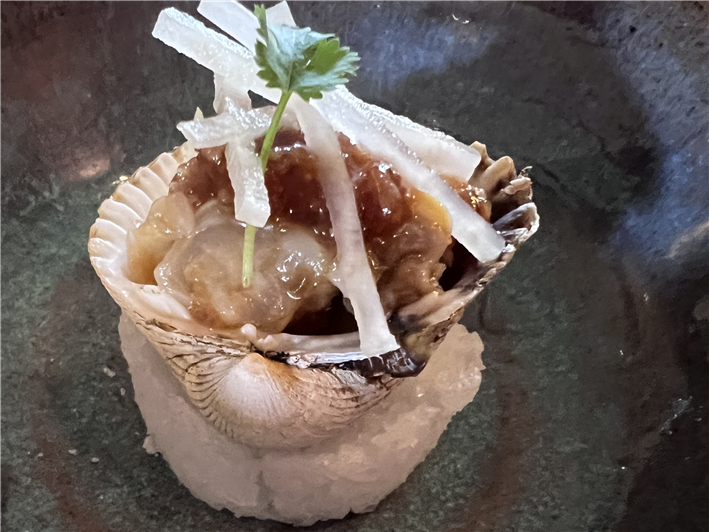
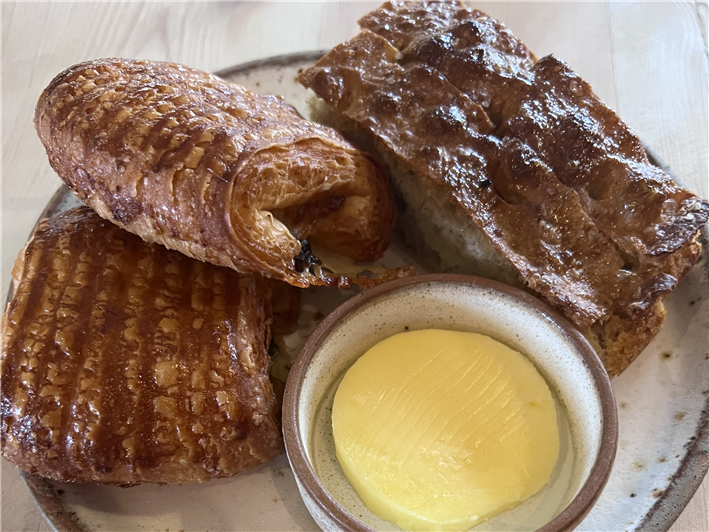
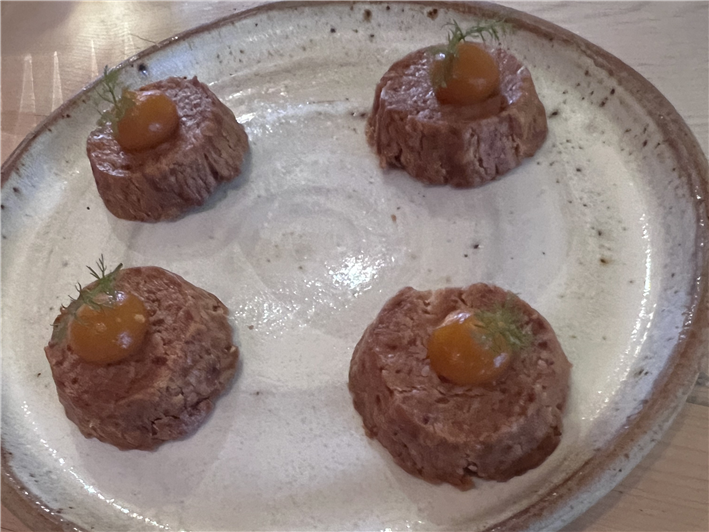
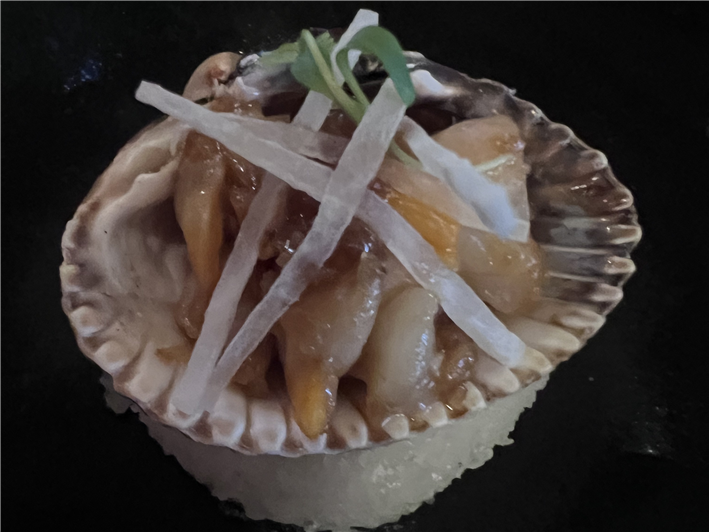
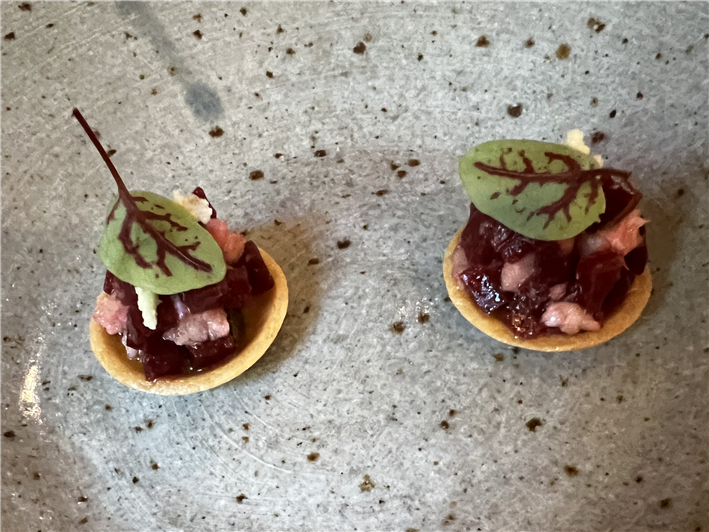
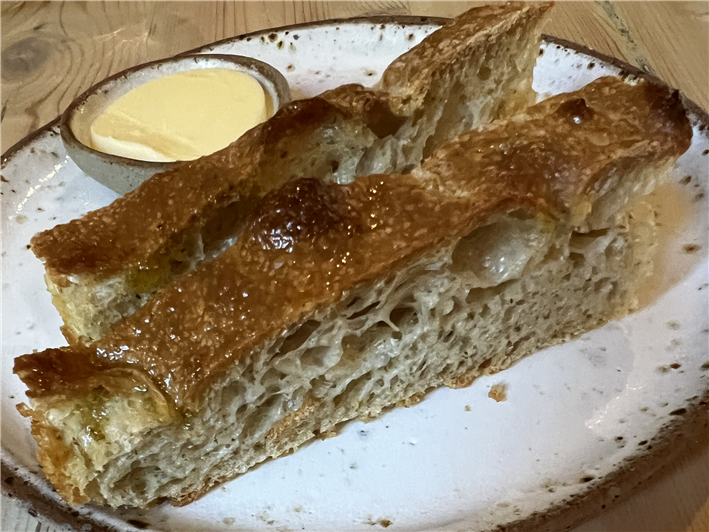
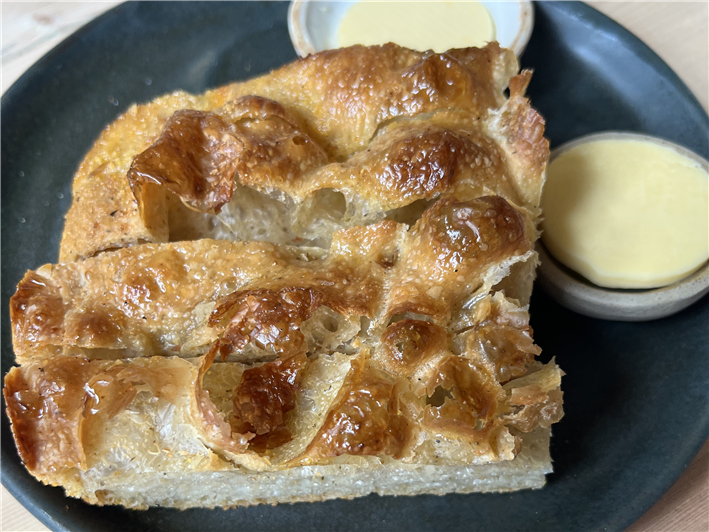
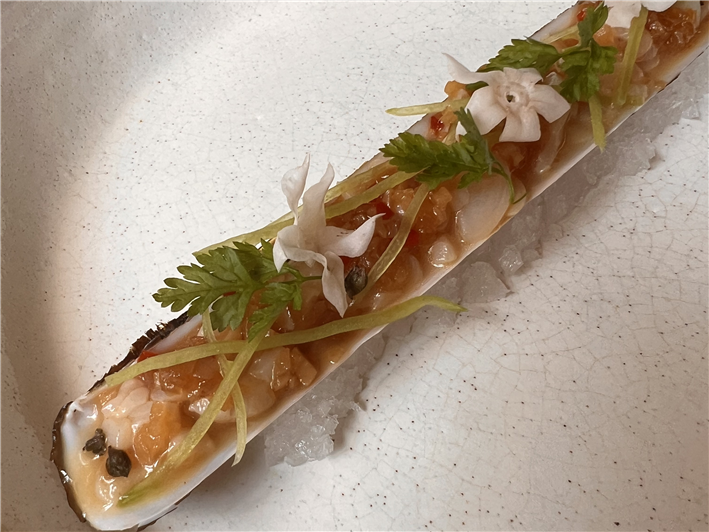
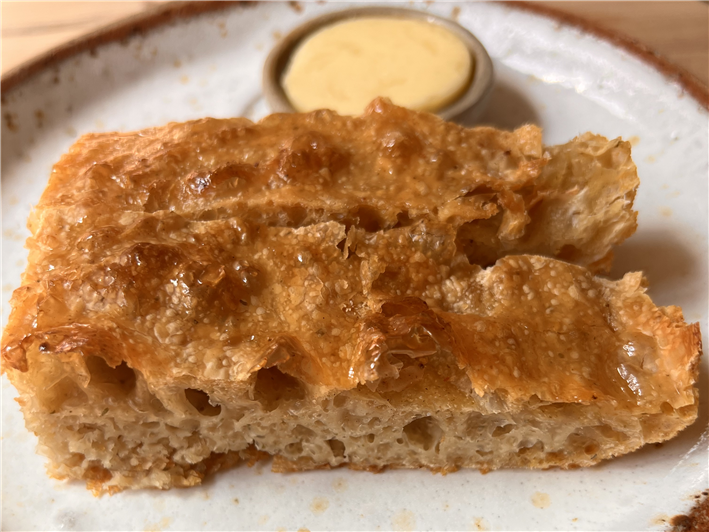
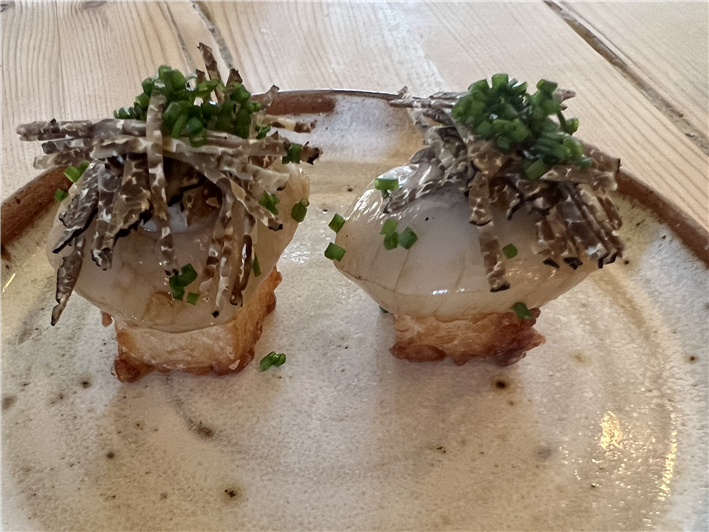
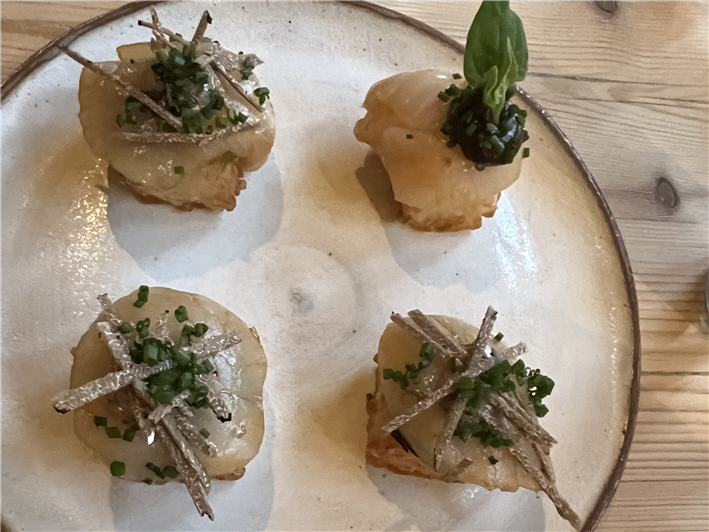
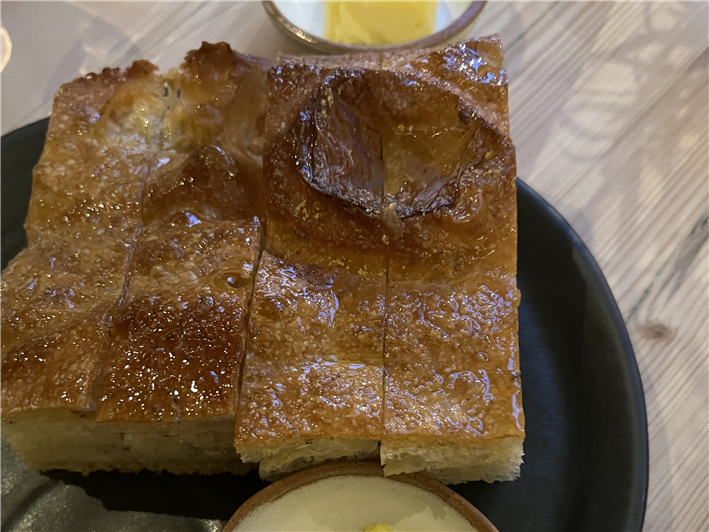
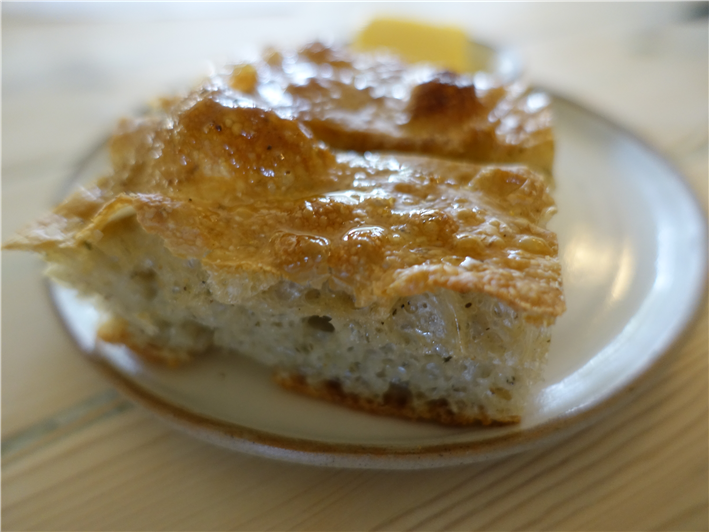
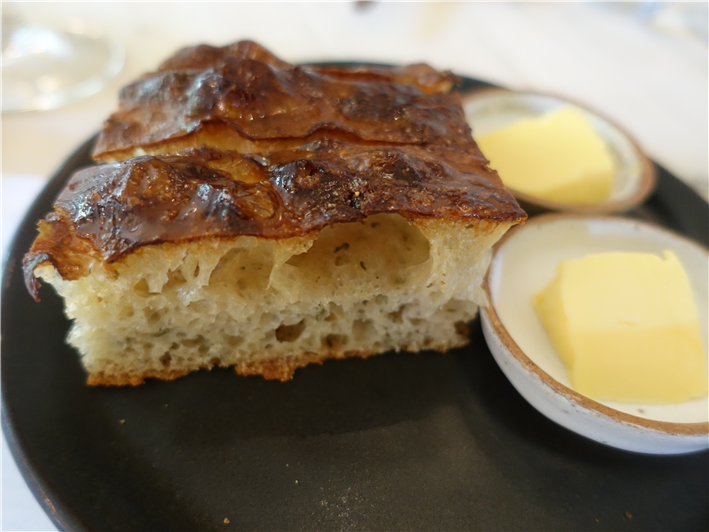
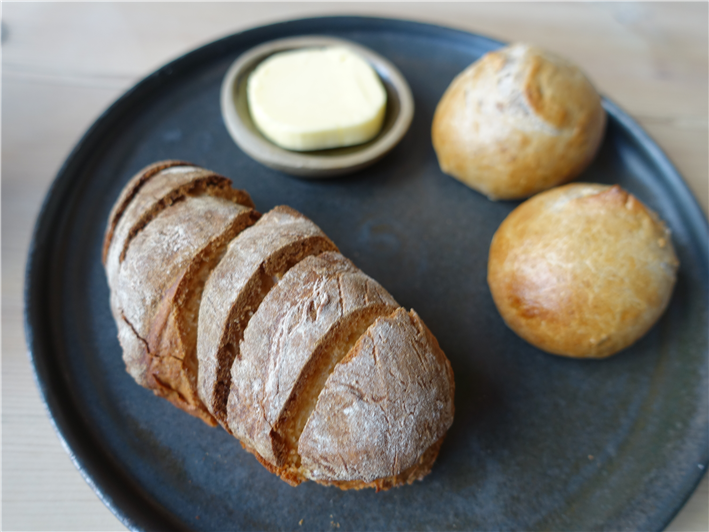
Best of all was a canape of shellfish tartare (including razor clams), with ginger and shallot, beetroot julienne and coriander with a citrus dressing. This had extremely good strips of razor clam and a sharp dressing that balanced the flavour of the clams and brought a pleasing freshness. The shellfish were cooked gently in white wine, shallots, garlic, and butter. The shellfish are then diced and mixed with a dressing of shallots, ginger, local chillies, kombu vinegar, and sesame oil. The dish is finished by topping the shellfish with a julienne of white beetroot and fresh celery leaves. The canapes were 17/20 on average, the razor clam one 18/20. Home-made sourdough was excellent, as was soda bread.
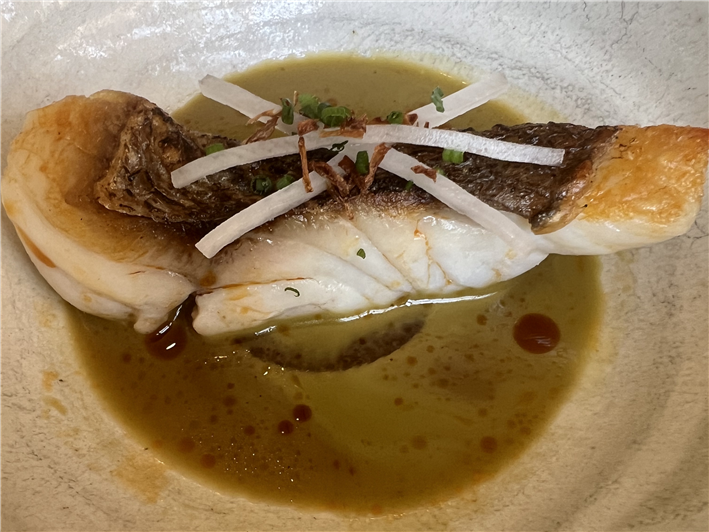
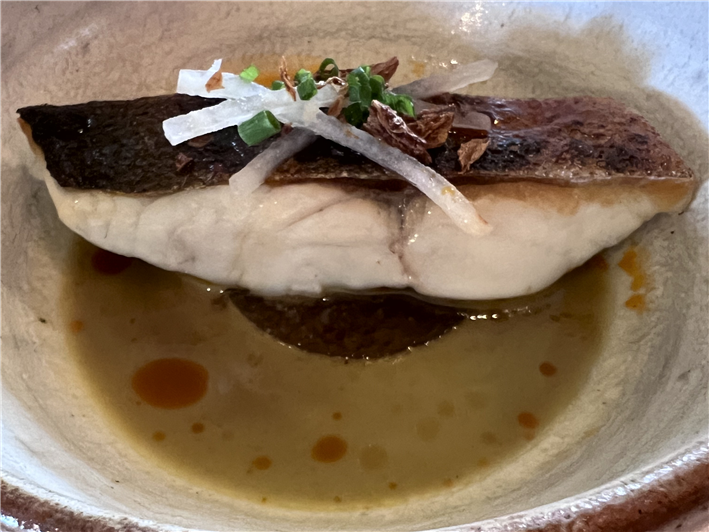
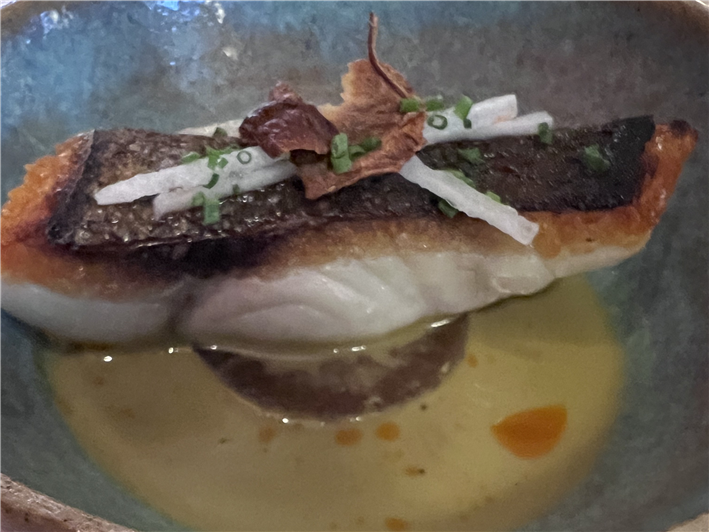
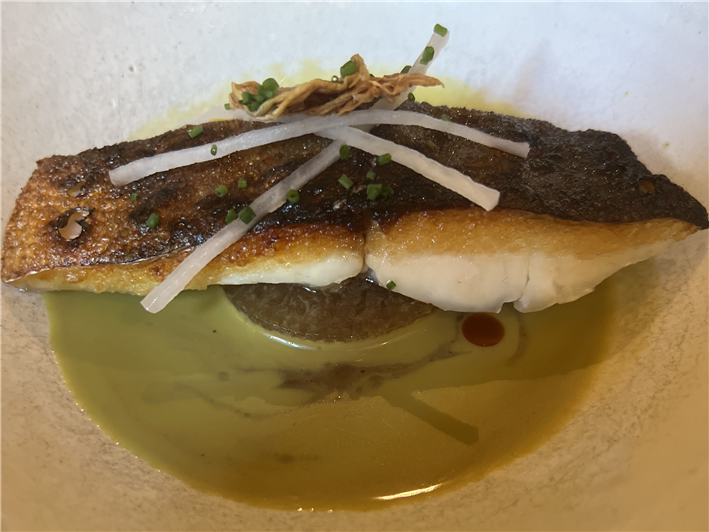
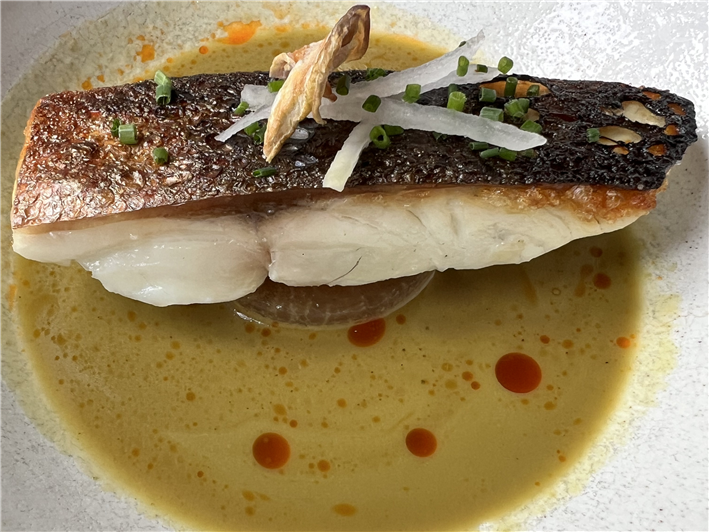
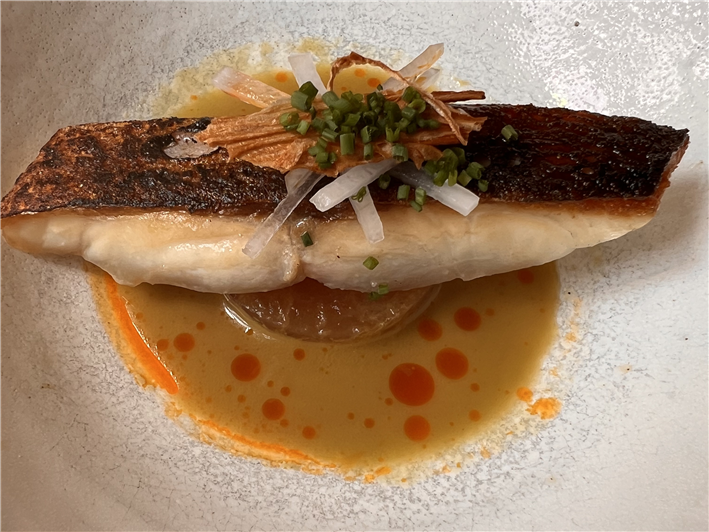
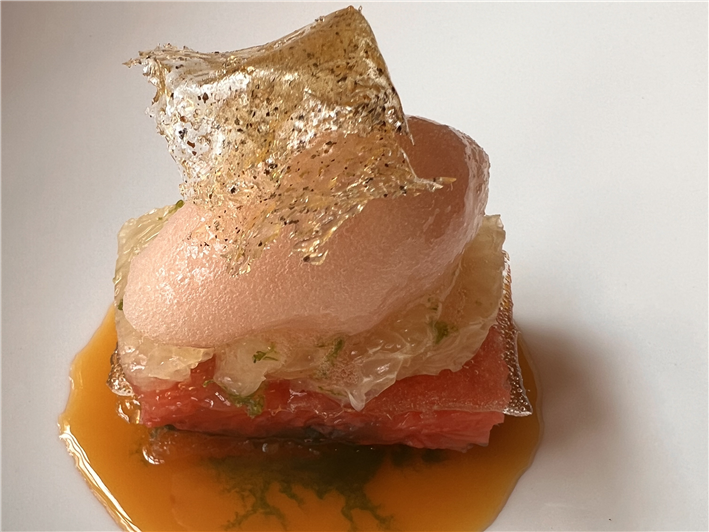
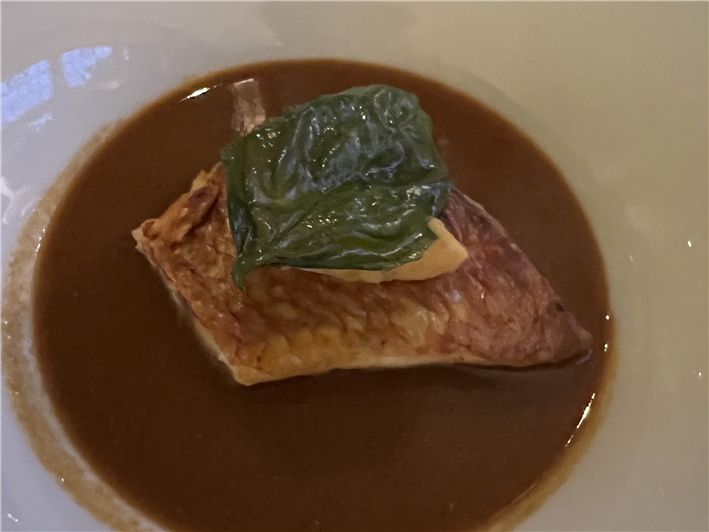
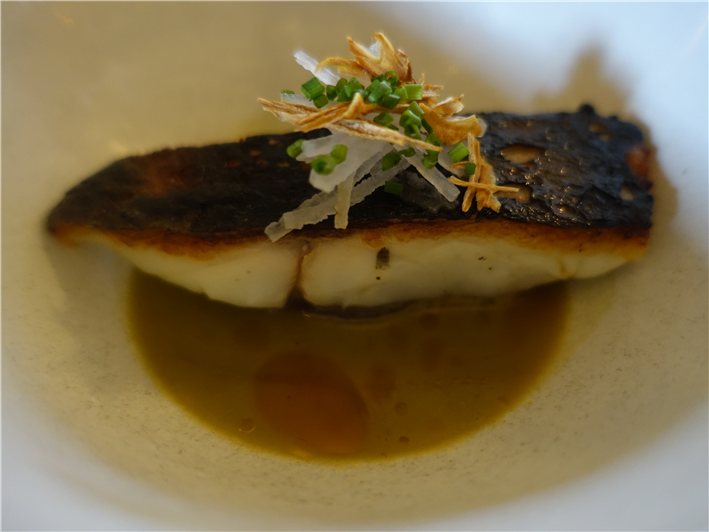
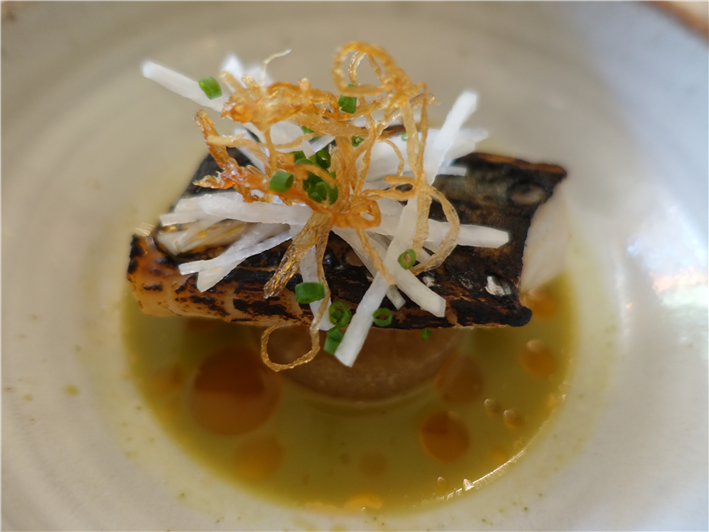
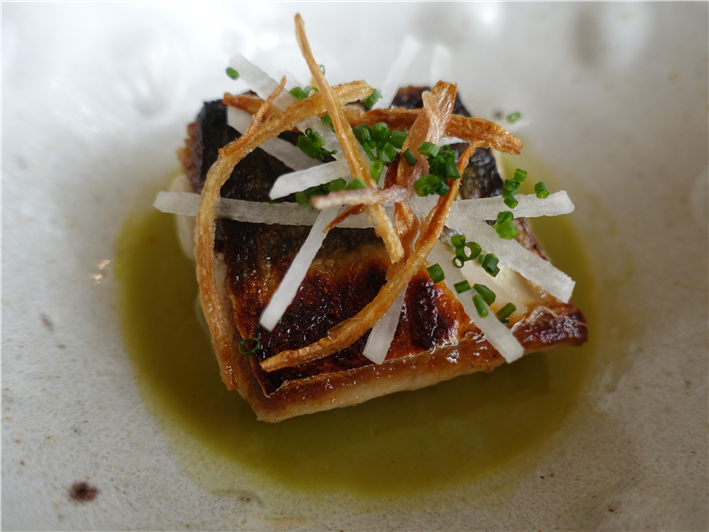
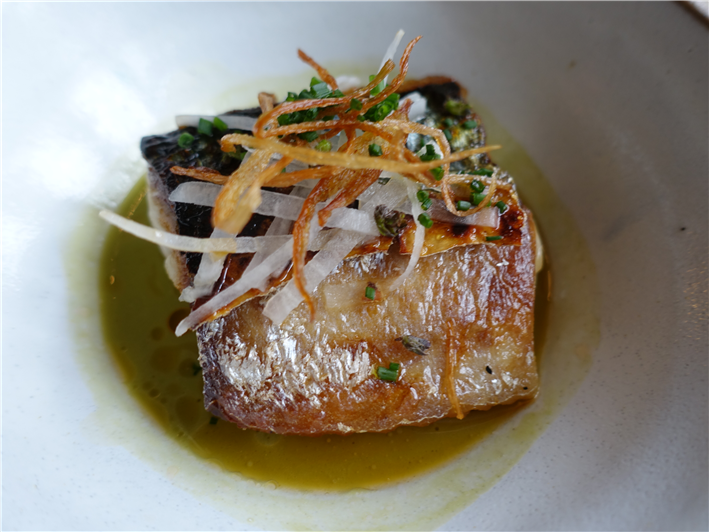
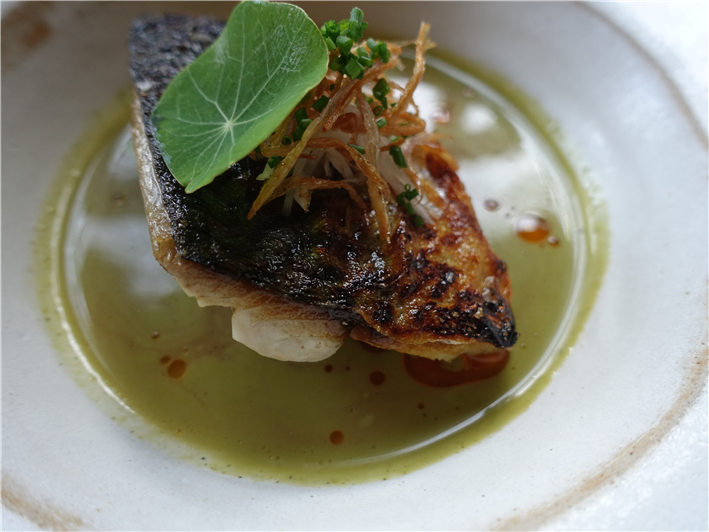
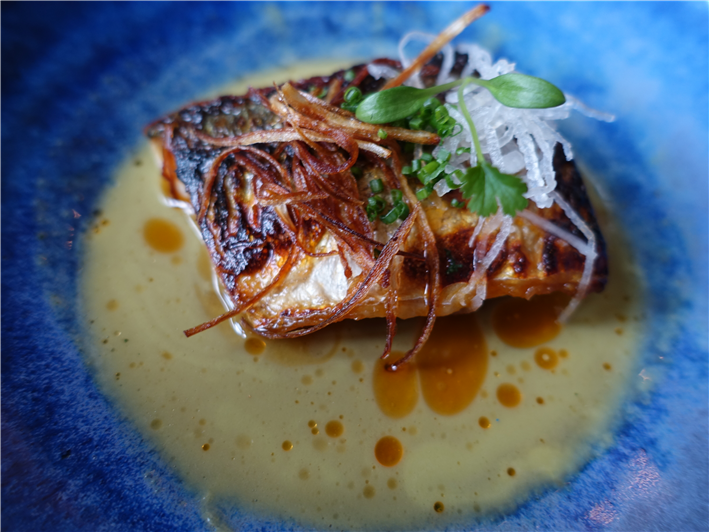
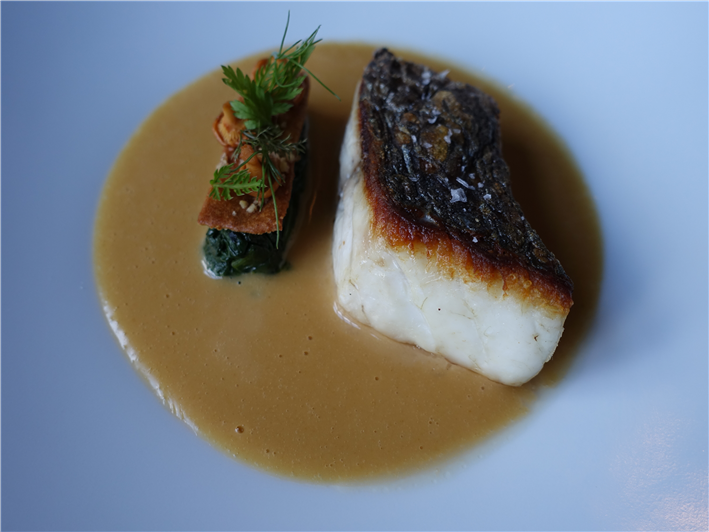
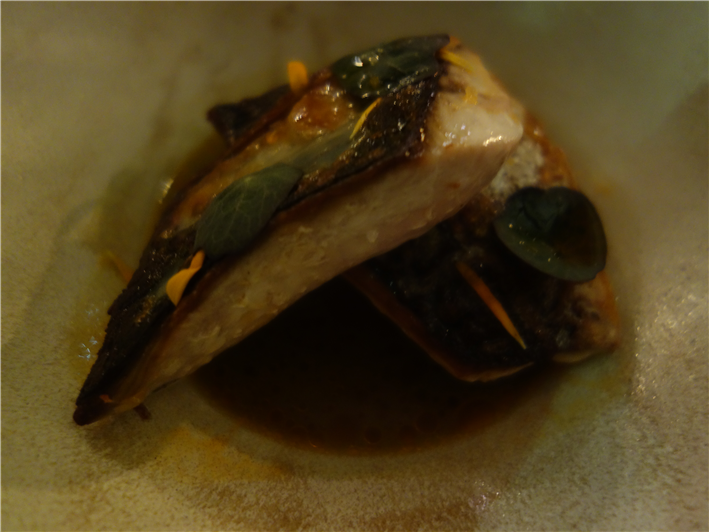
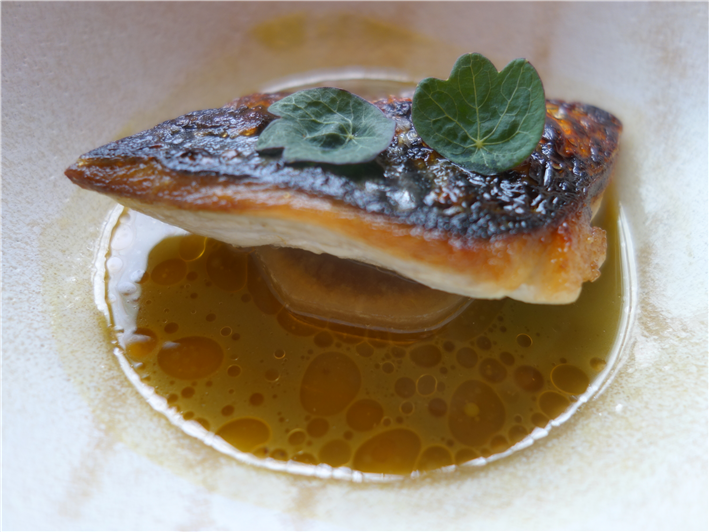
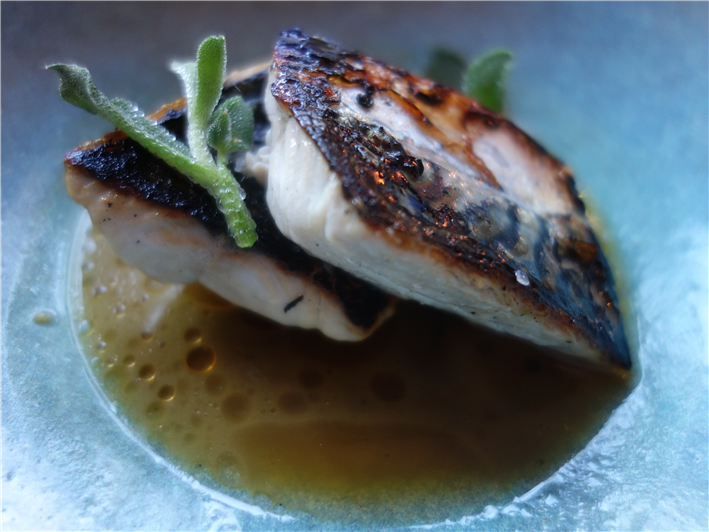
A couple of old favourites followed. Charred sea bream has been on the menu from the earliest days of the restaurant. A disc of radish is covered with a ginger and champagne sauce, while the bream itself has crisp skin. The bream is served with a salad of daikon, chives, and Roscoff onion, lightly fried until crisp. The fresh fish is cleaned and then washed with rice vinegar both inside and out. It is then hung by the tail, ensuring plenty of space between each fish for proper air circulation. The fish is charred in a pan and seasoned with a chilli oil made from local chillies and spices. This is added immediately after cooking, with a little incorporated into the sauce to finish. The daikon is prepared in a classic braised style with kombu, sake, bonito, and soy. The sauce is a type of cold dashi to balance and integrate the flavours. The bream was unusually large today and had lovely flavour. The fish was carefully cooked and the ginger really lifts the whole dish, the radish providing an earthy contrast to the fish (good 17/20).
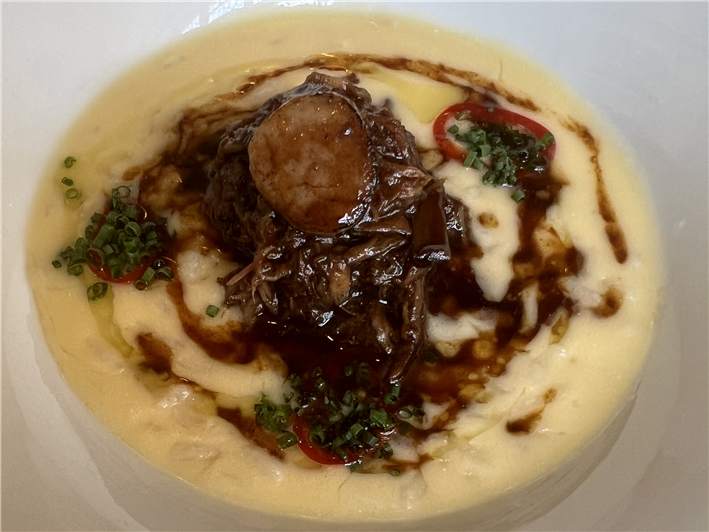
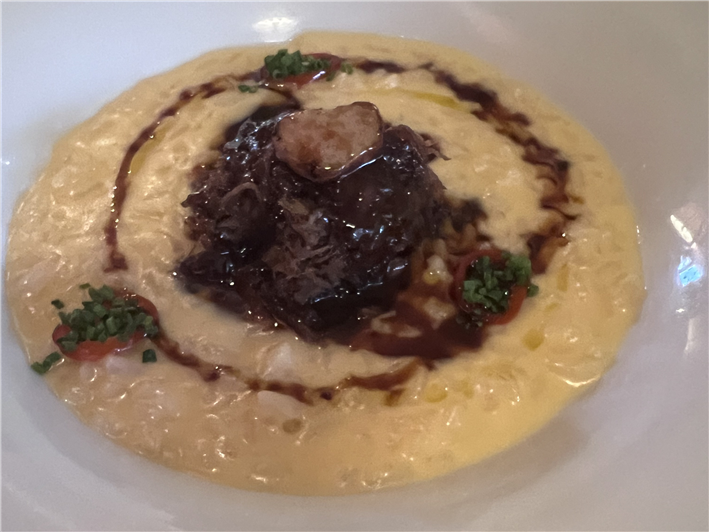
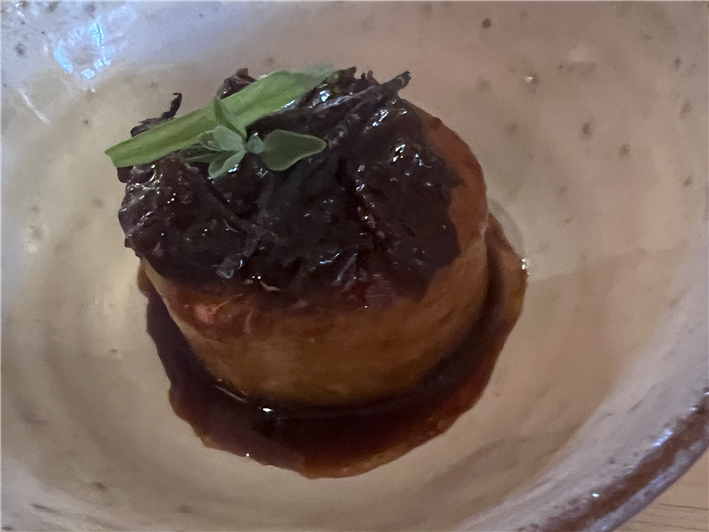
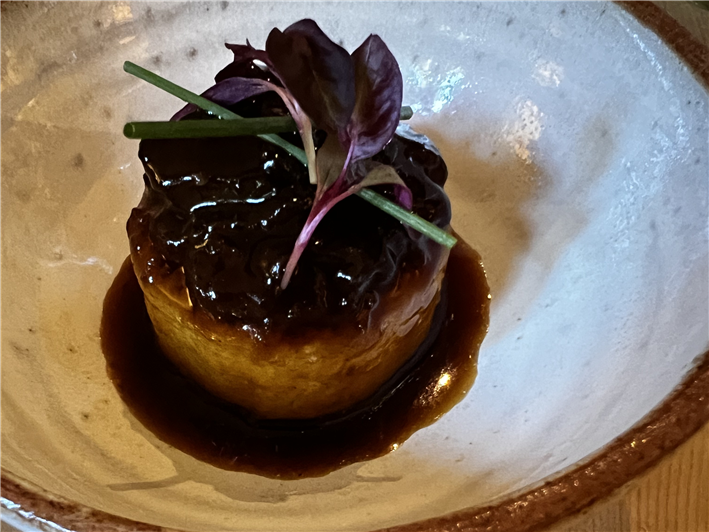
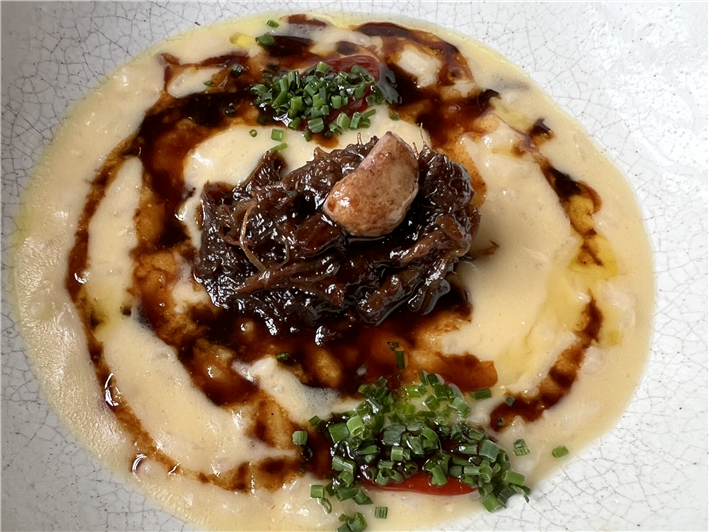
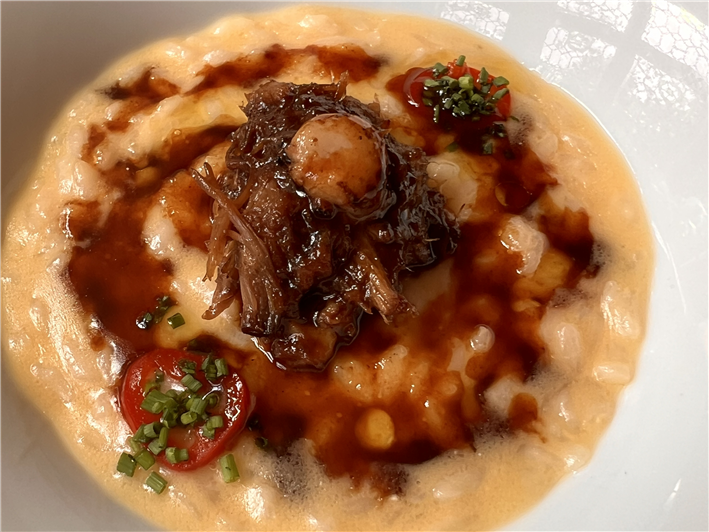
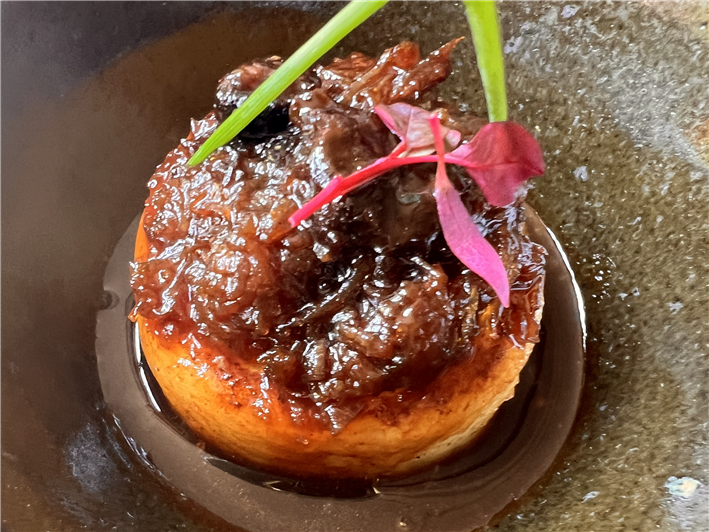
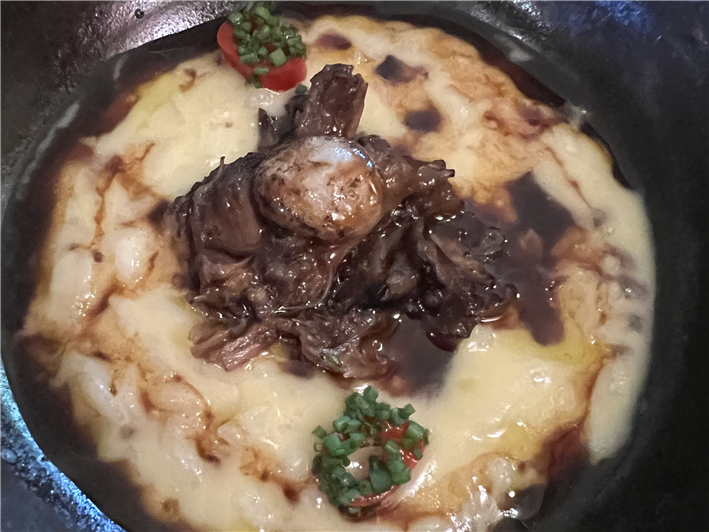
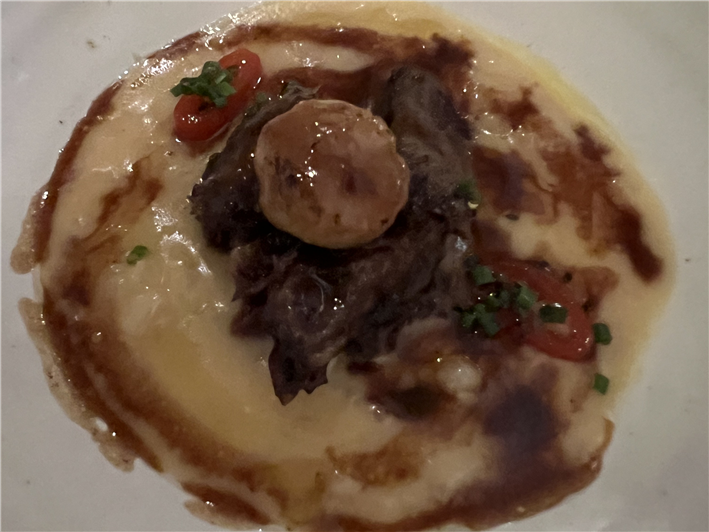
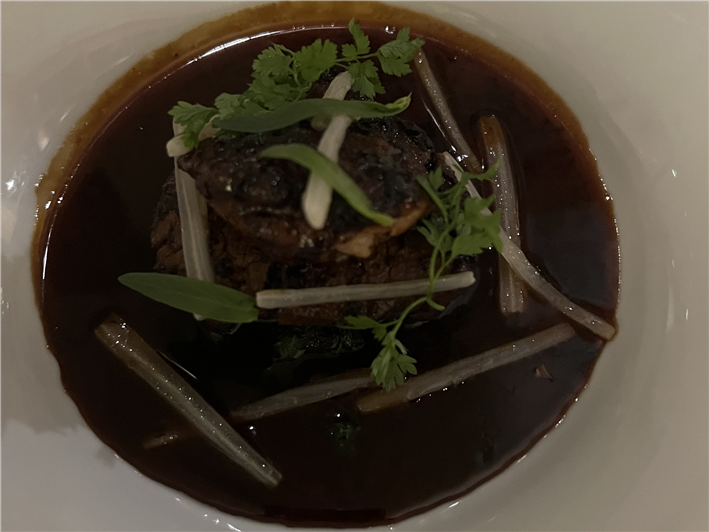
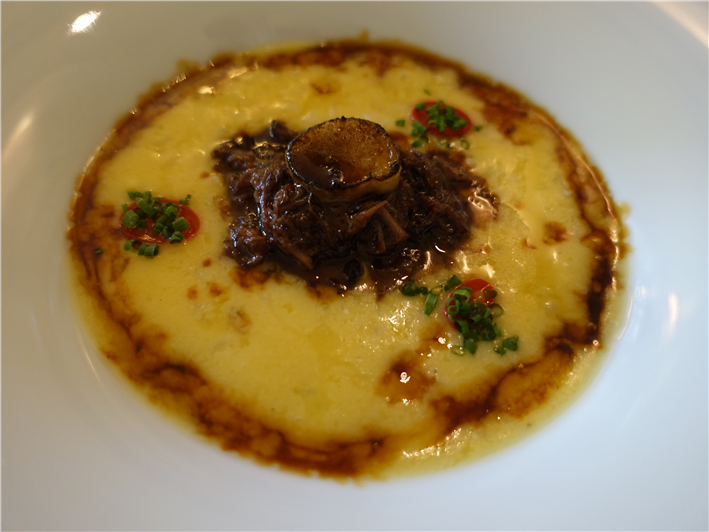
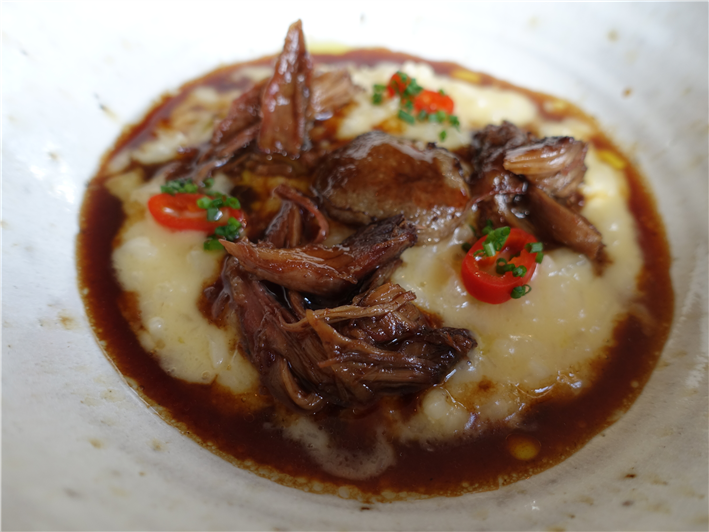
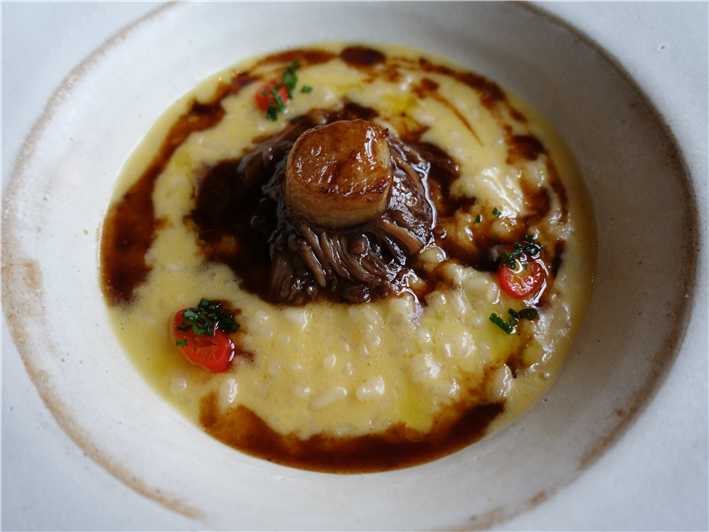
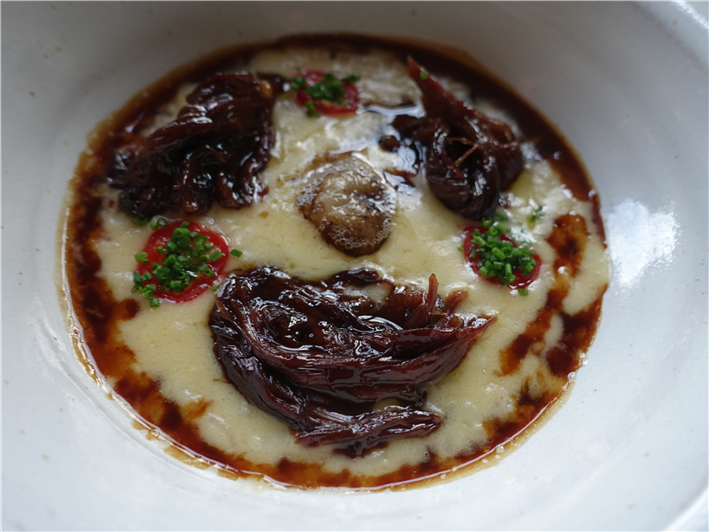
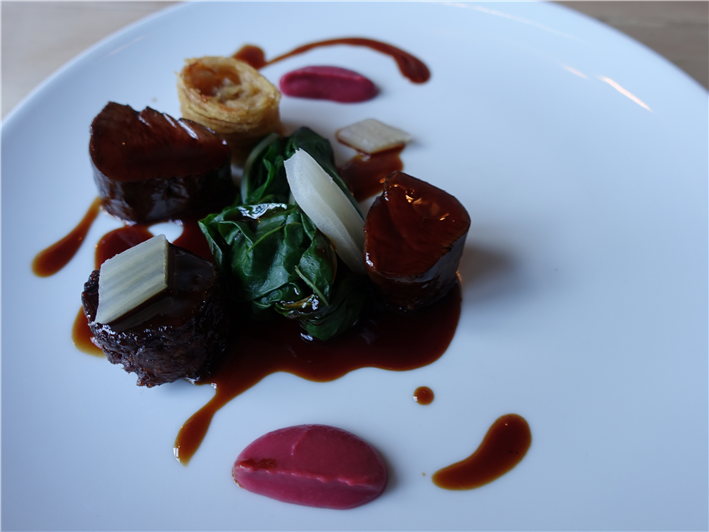
Oxtail risotto was another familiar old friend. This rich dish uses seven-year aged carnaroli rice. The richness of the oxtail is cleverly balanced by the gentle bite of red chilli, grown in the Dysart garden. The oxtail is marinated using a method Ken learned while cooking Daube de Bœuf in France, with plenty of aromatics and red wine, for a minimum of three weeks in an airtight container, ensuring everything is fully submerged. The ingredients are then roasted, except the wine, and braised slowly in veal remouillage overnight in the oven for fourteen hours. The meat is picked from the bones, and the stock is reduced with red wine, port, shallots, mushrooms, and tarragon to make a sauce that coats the oxtail. This process mirrors the method for a classic Bordelaise sauce, which is also finished with bone marrow. The rice used is seven-year-aged and considered one of the best varieties for risotto. It is cooked with an extremely fine brunoise of fennel and shallots and white wine so fine it is almost invisible, yet it adds freshness. Traditionally, a meat stock would be used; instead a lighter Japanese style dashi is made with herbs carefully removed from their stalks, lemon rind, lemon juice, and chilli. This fresher risotto base helps balance the richness of the other components. The risotto is finished with butter and Parmesan, with pickled chillies added for brightness and piquancy. It is finished with Manni Grand Cru extra virgin olive oil, regarded as one of the finest olive oils in the world. The oxtail itself was meltingly tender and deeply flavoured (good 17/20).
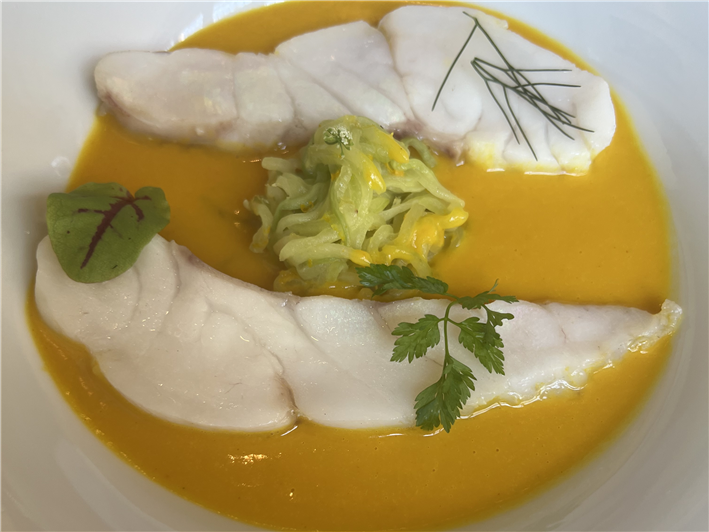
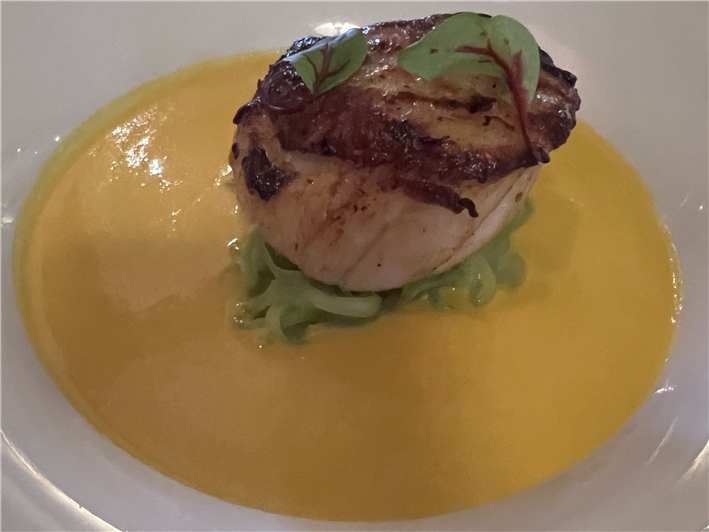
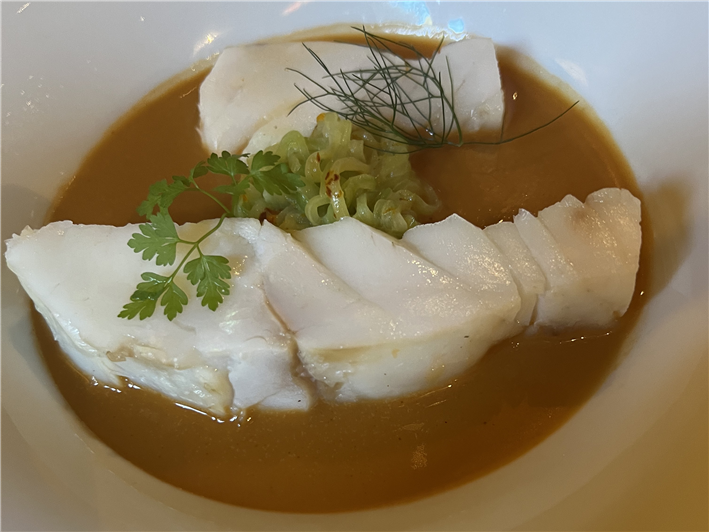
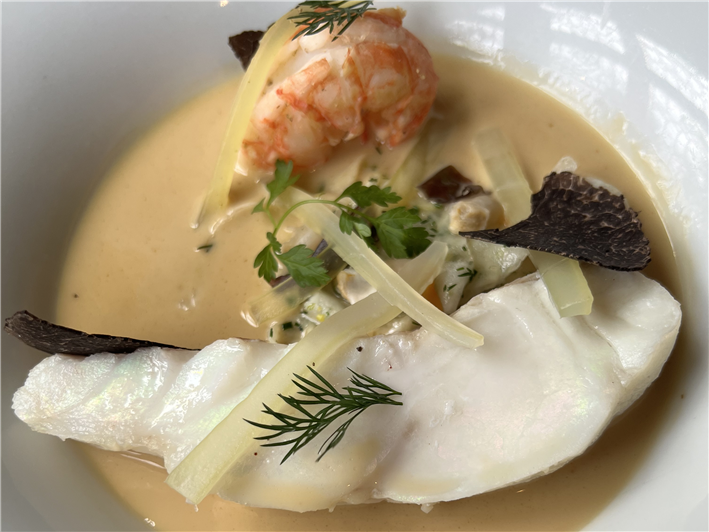
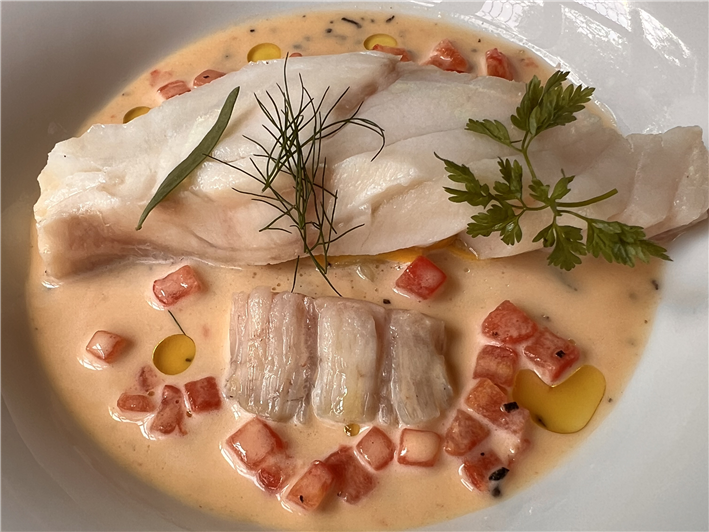
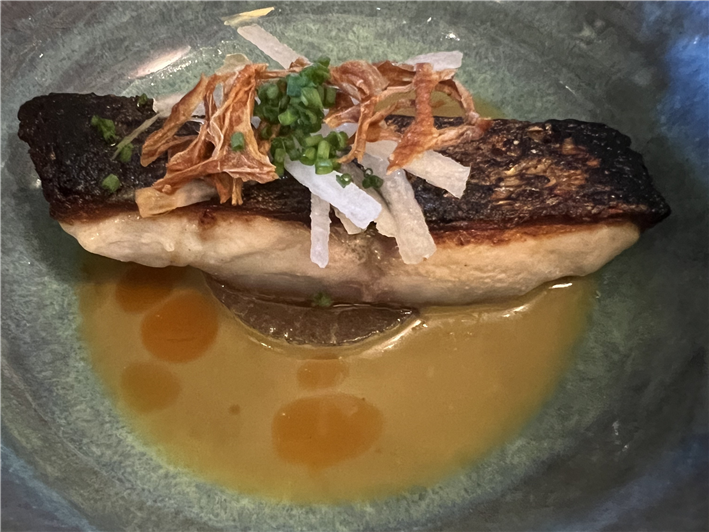
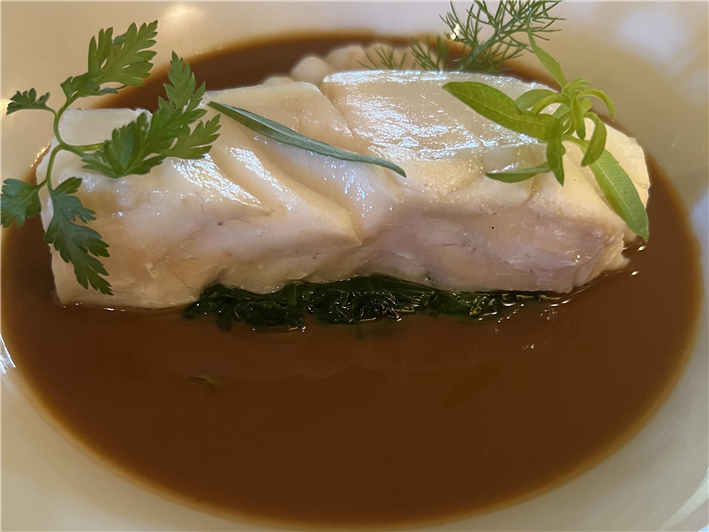
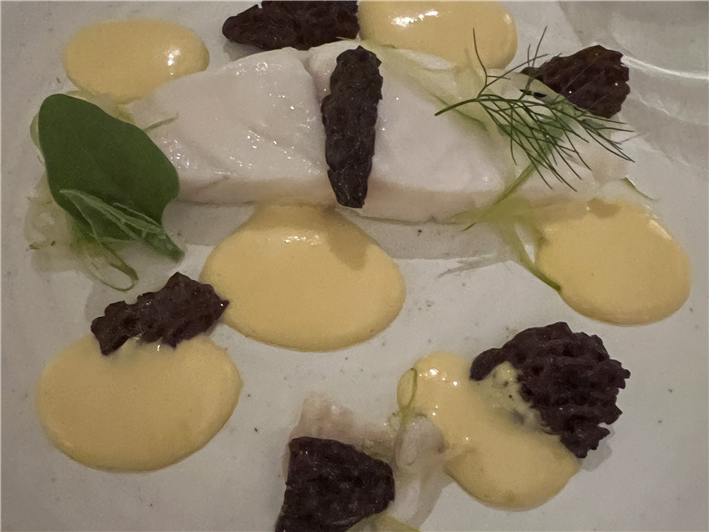
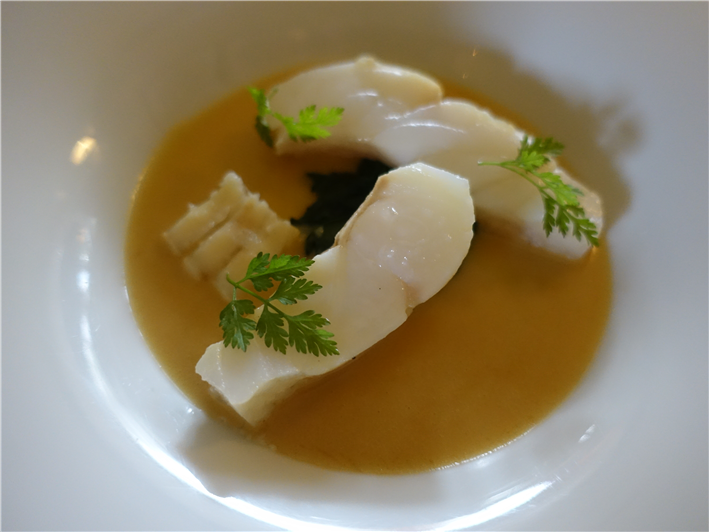
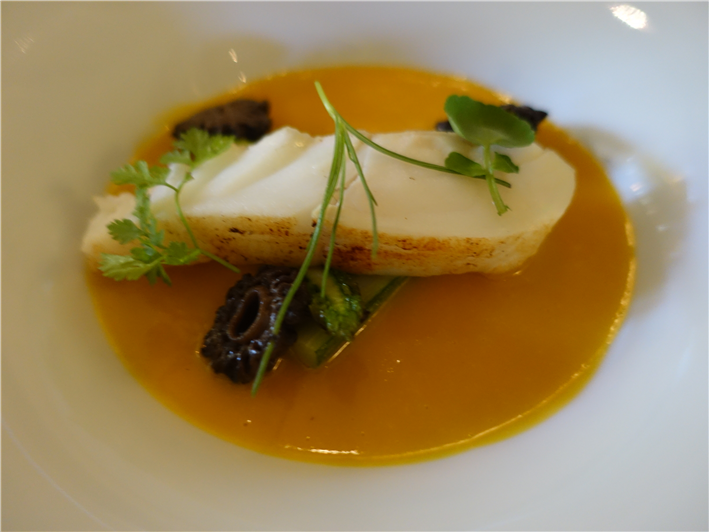
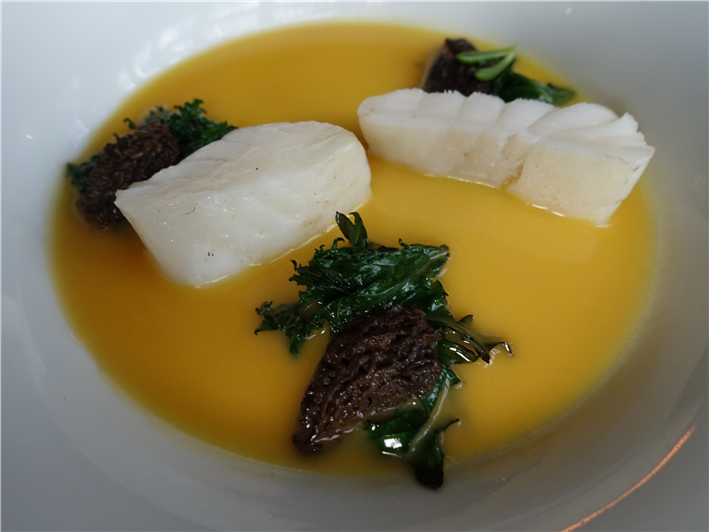
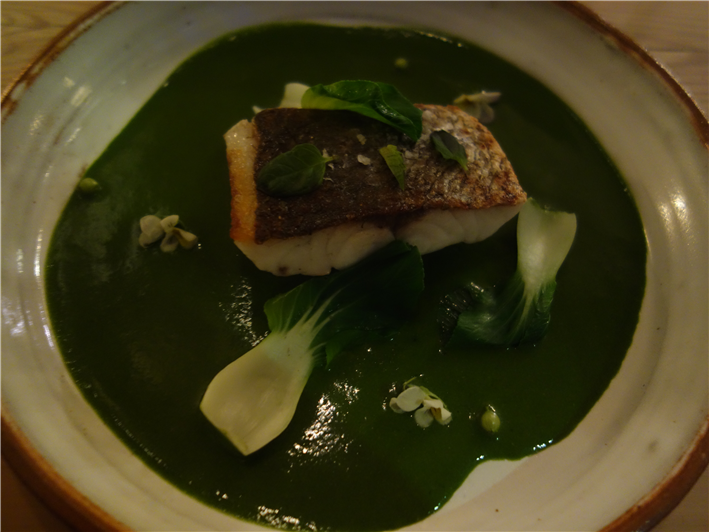
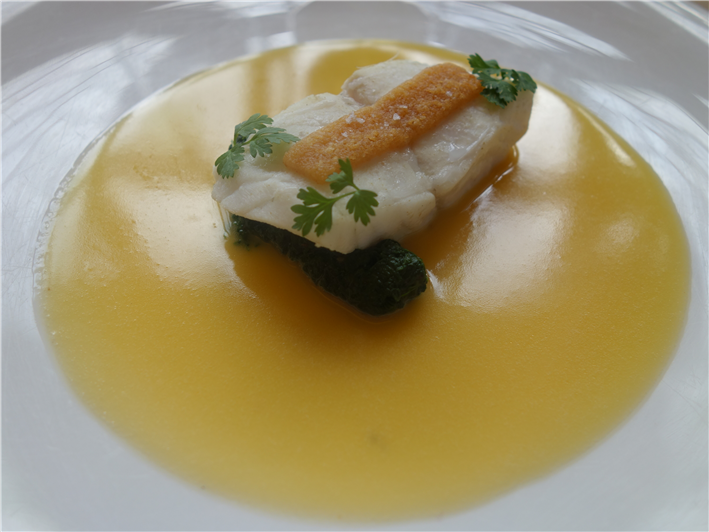
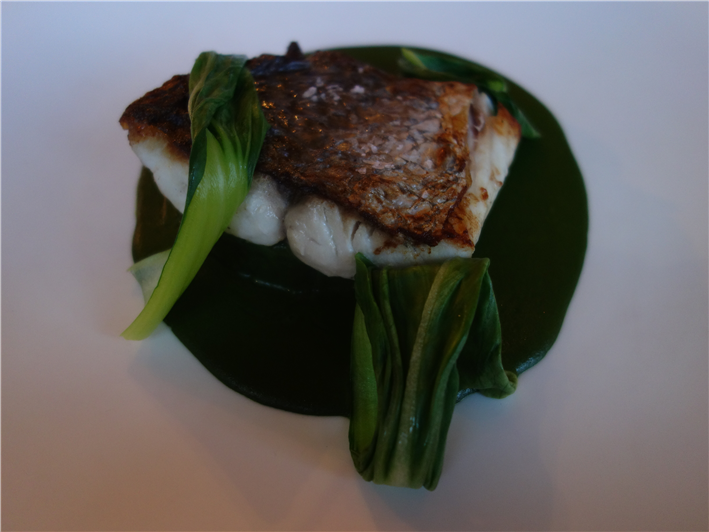
Turbot today was from a huge 12kg specimen, the fillet served with buttered cucumber and turmeric sauce Jacqueline. This wild turbot was lightly steamed. The flavour was delicate and sweet, yet with great depth and richness of clean maritime freshness, which you can only find in the larger sized fish. It was served with quickly cooked cucumber julienne finished with butter and orange zest, retaining a little texture. Sauce Jacqueline is based on the original recipe by Louis Outhier, the French chef best known for his three-star restaurant L’Oasis in La Napoule, near Cannes. Traditionally, it is made by slowly sweating carrots, leeks, and celery in butter, then reducing with white wine and Vin Jaune de Château-Chalon before adding chicken stock. Here, Ken adds fresh turmeric for its vibrant, earthy, peppery notes, along with locally grown yellow Hungarian hot wax chillies. The sauce is blended with high-quality Jersey butter and seasoned with kombu vinegar, then sieved and served. This was a superb dish, the turbot having great flavour and being precisely cooked, having a beautiful mother-of-pearl hue. The sauce was deep and rich and went beautifully with the fish, the cucumber bringing some balance to the rich sauce (high 18/20).
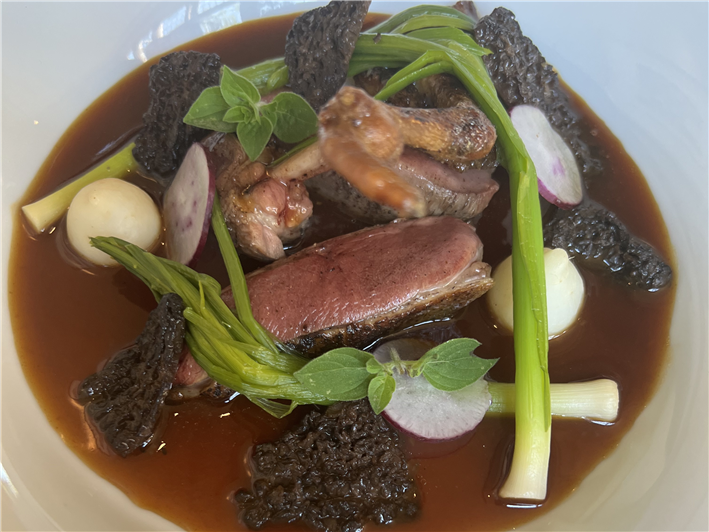
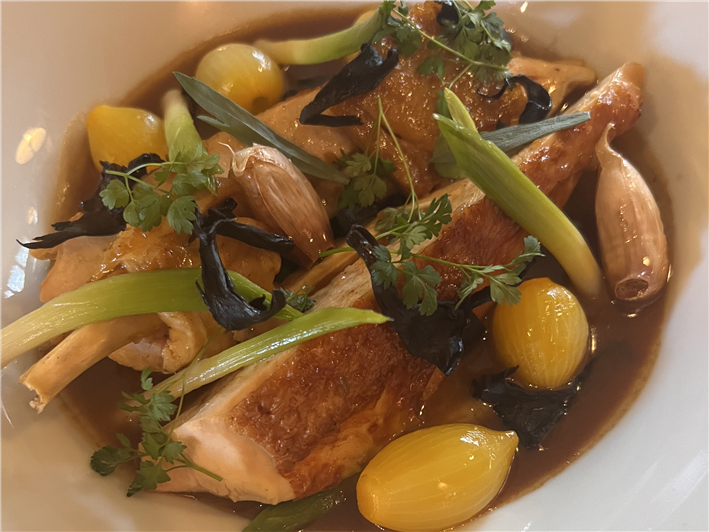
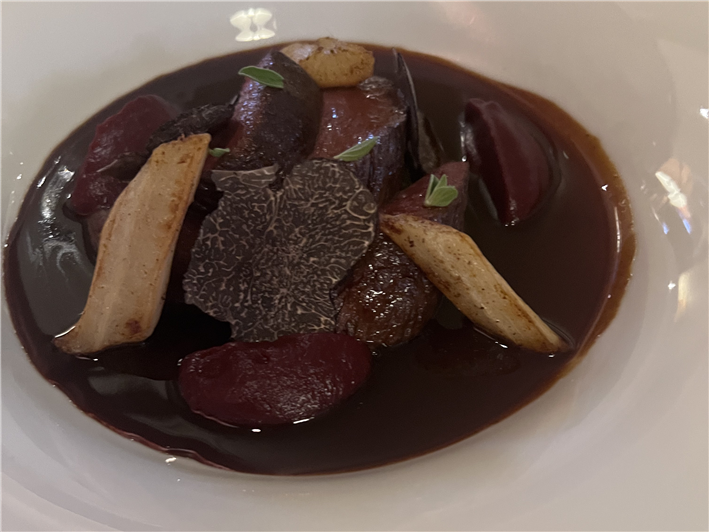
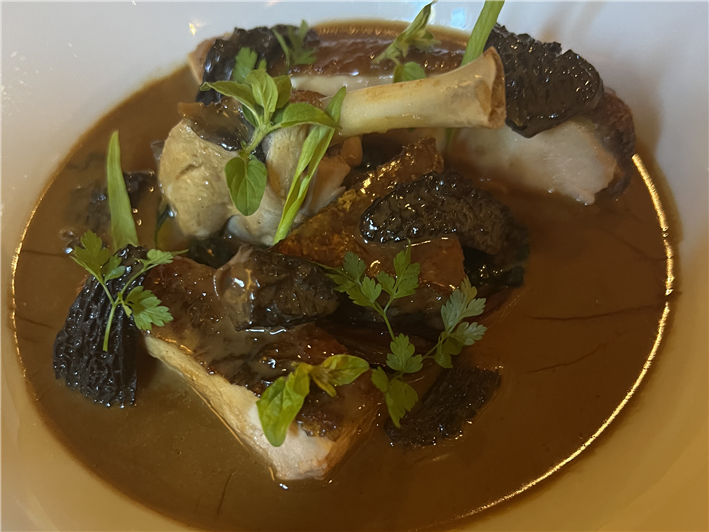
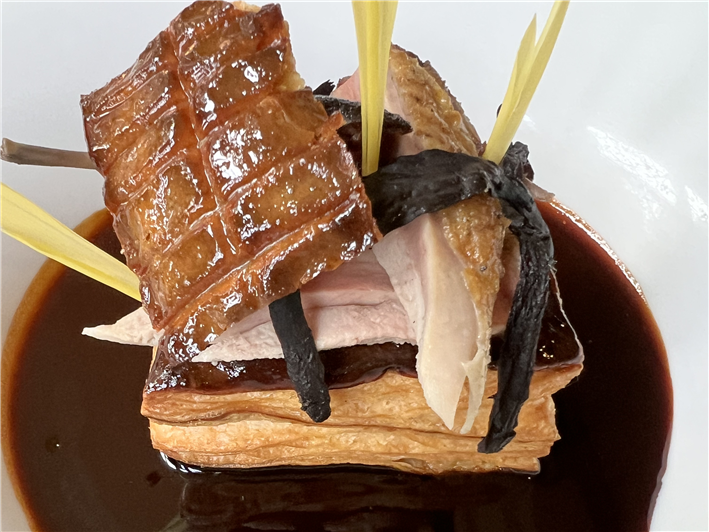
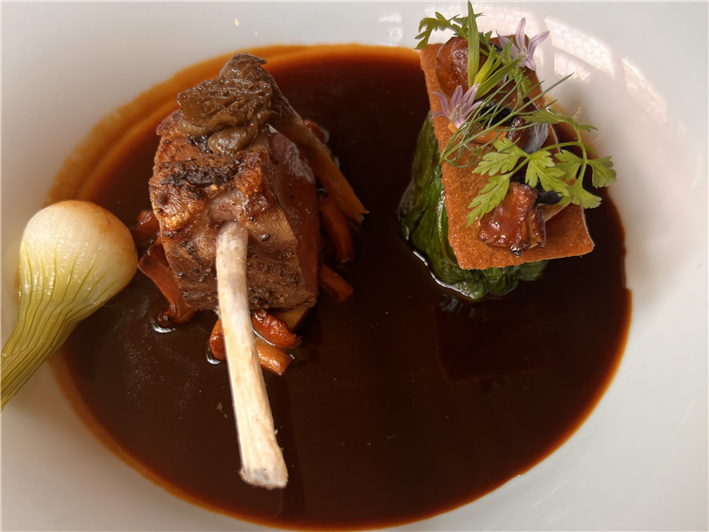
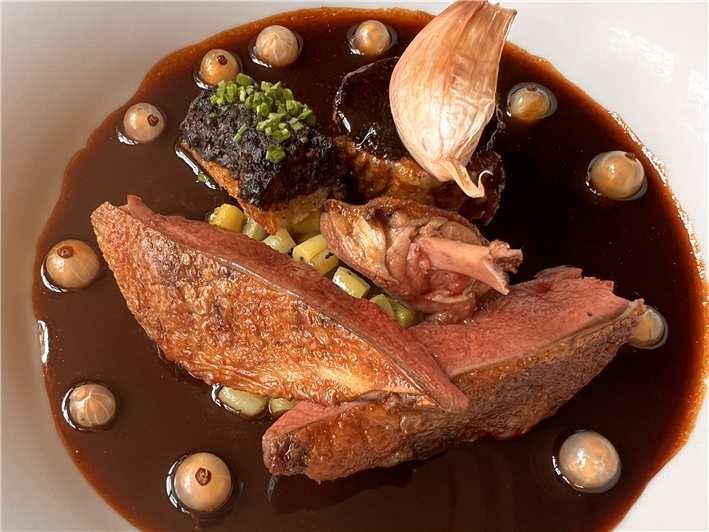
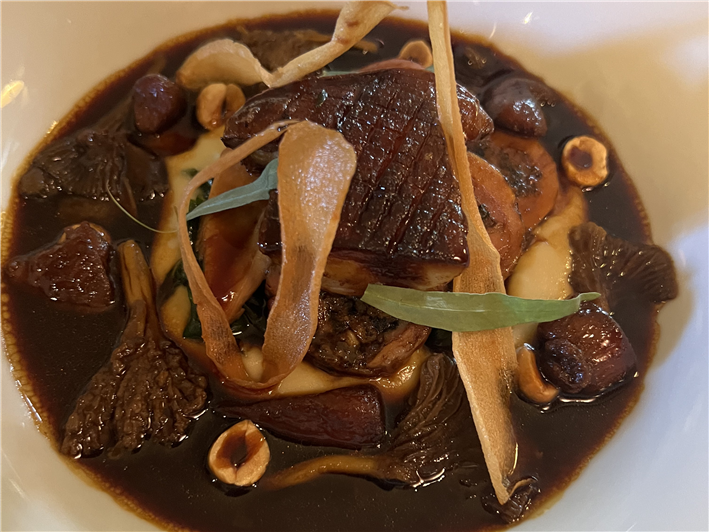
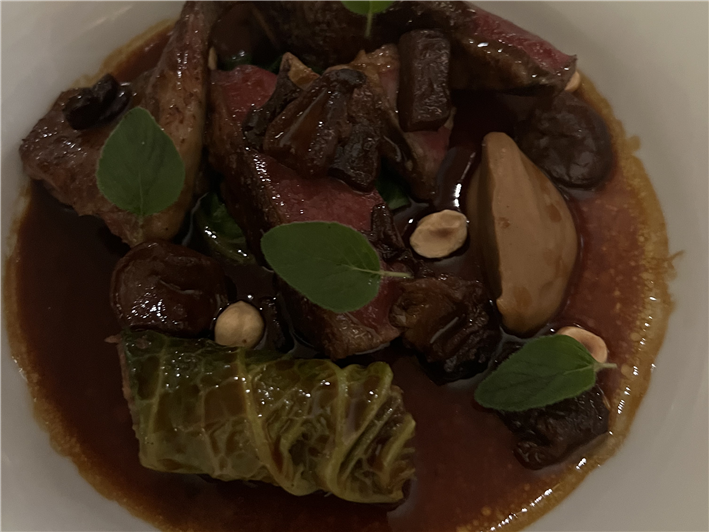
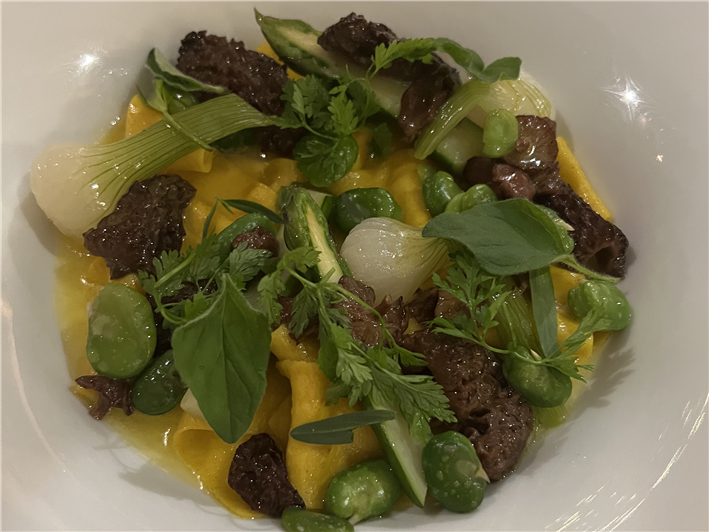
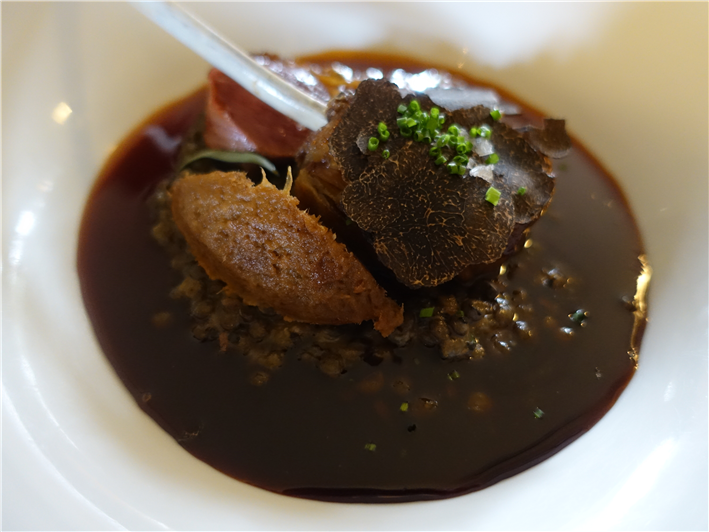
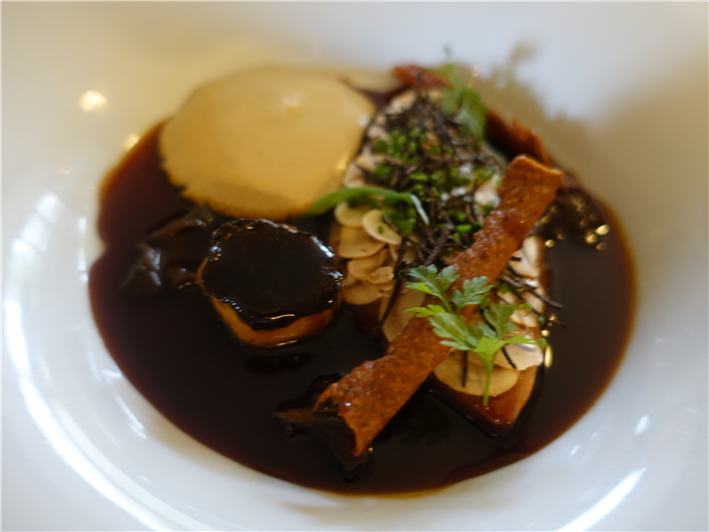
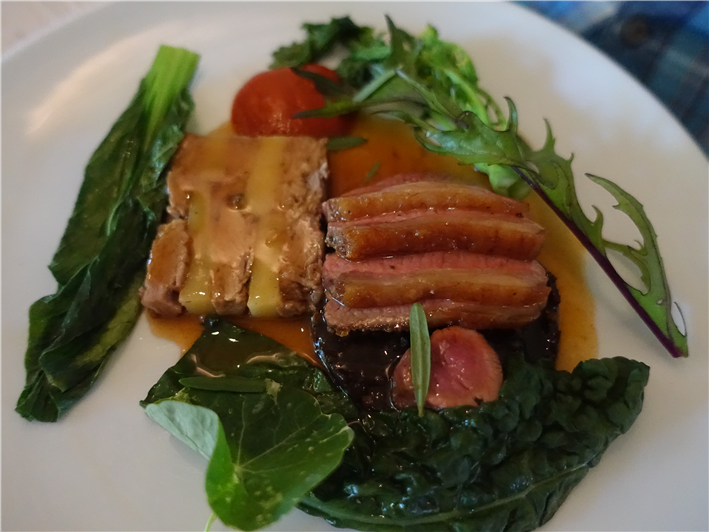
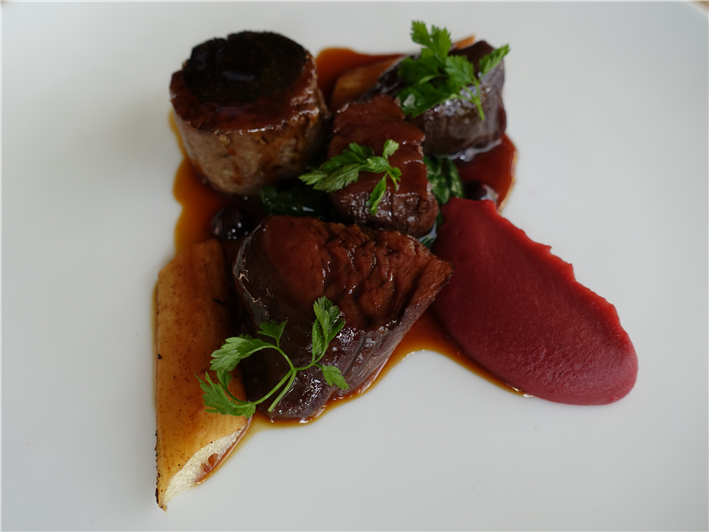
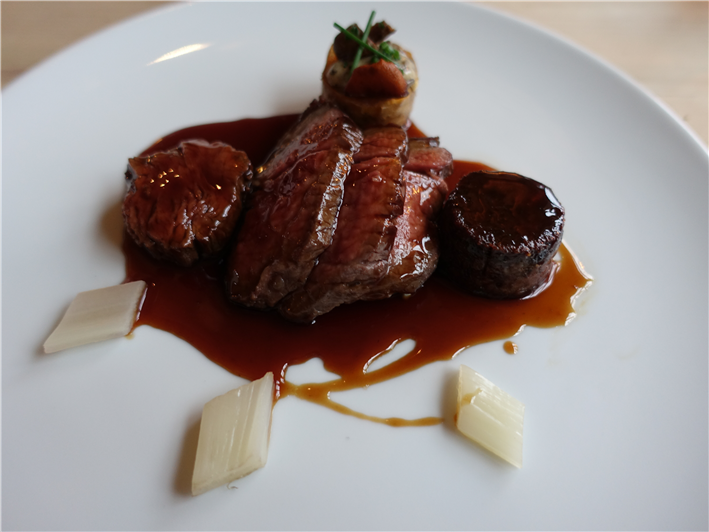
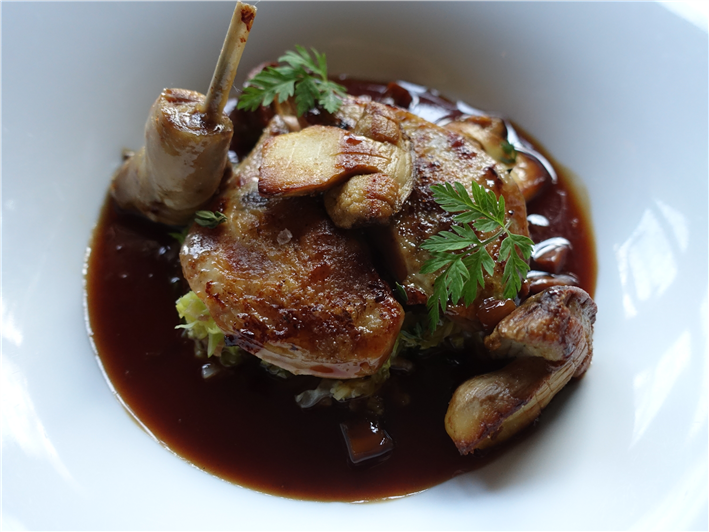
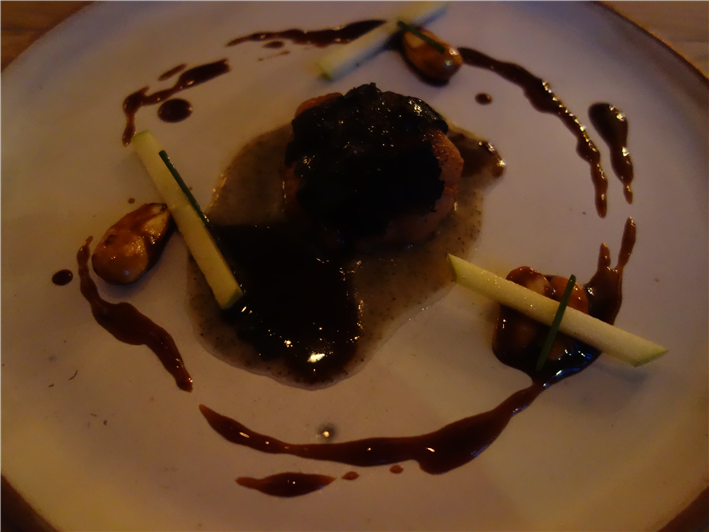
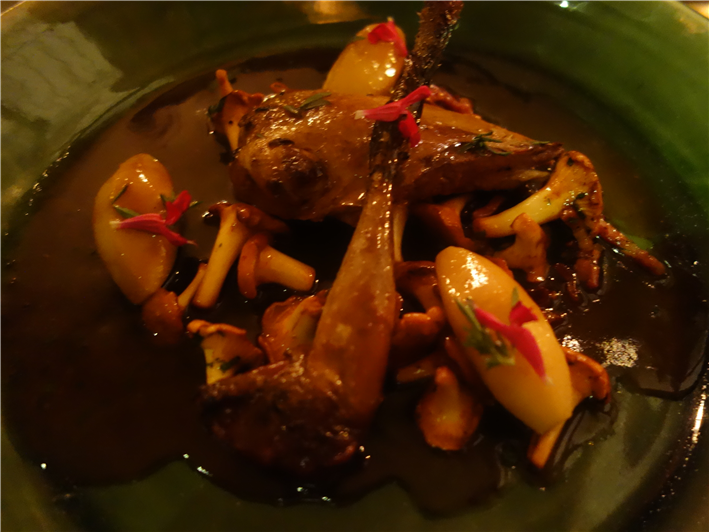
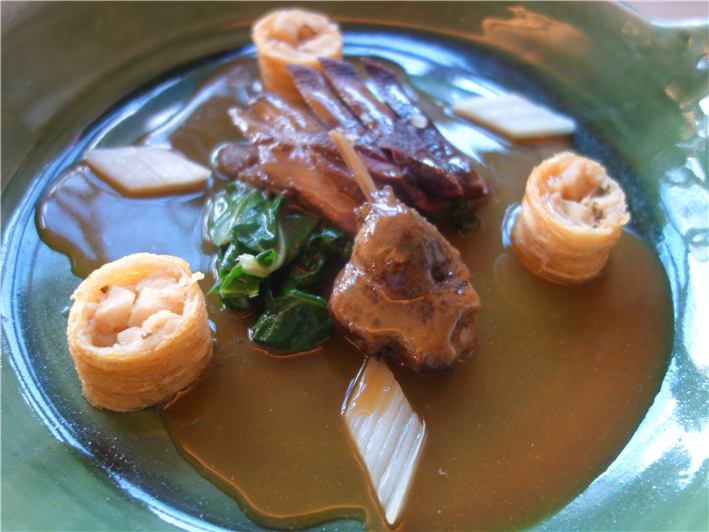
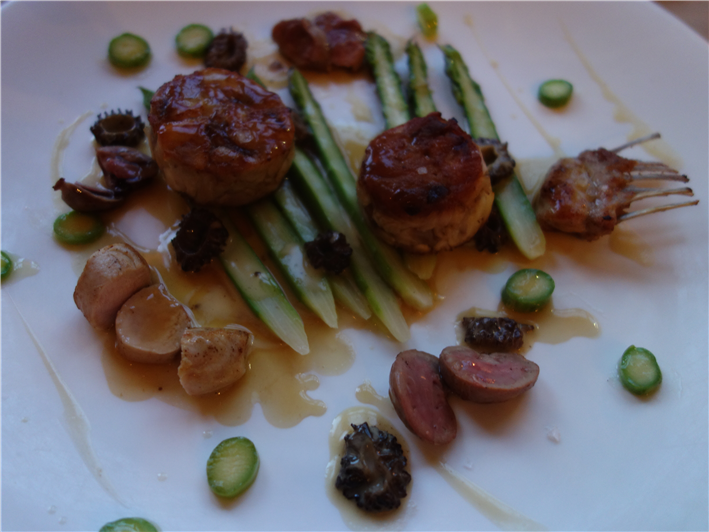
Spiced smoked Anjou pigeon came with bacon, baby navets, wild morels and Madeira jus. The pigeon was aged by hanging for one week. Before service it is lightly smoked with spices including cardamom, star anise and cassis bark. It is then lightly grilled in beurre noisette under a salamander, basting every few minutes, the brown butter spices and light smoking combining flavours. The morels are wild. They are braised very slowly for up to two hours which really brings out their true taste, a technique Ken was taught while working in France. The morel ends are made into a herb dashi using some Château Chalon. The top of the morels are sweated in a pan with very fine dice of shallots and then added to the dashi stock. This is covered with a cartouche and braised slowly for over two hours, cooked until all the water in the mushroom glazes the mushrooms and intensifies their flavour. Baby navets are cooked in a lemon blanc which adds some freshness, while the baby leeks are cooked a l'étuvée to order to keep freshness. The sauce is made from roasting the pigeon bones with sliced carrot and sliced pancetta until deeply caramelised, then a little paprika is added, deglazed with good quality Madeira, reduced and then half chicken stock and half veal jus is added. The veal jus itself is a laborious process which takes us five days to make with many steps. Pigeon offal is used to finish the sauce and to serve to order it is finished with a very fine dice of reduced Madeira shallots. The sauce was glorious, rich and intensely flavoured, going really well with the distinctive earthiness of the morels, while the pigeon had lovely flavour. This is high class cooking (easily 18/20).
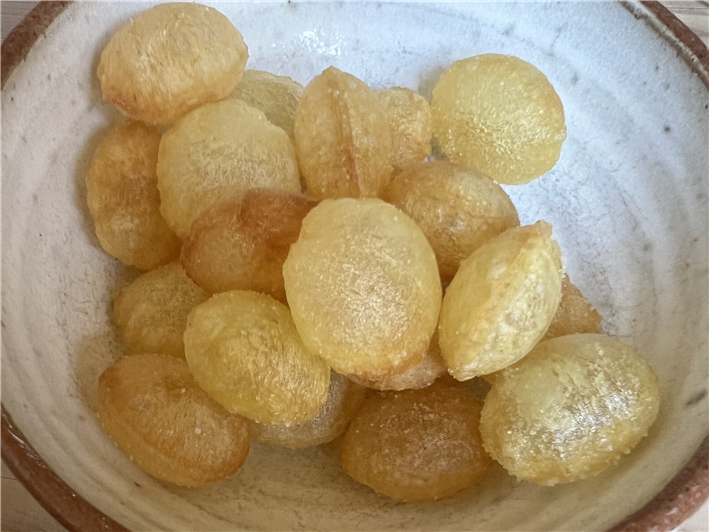
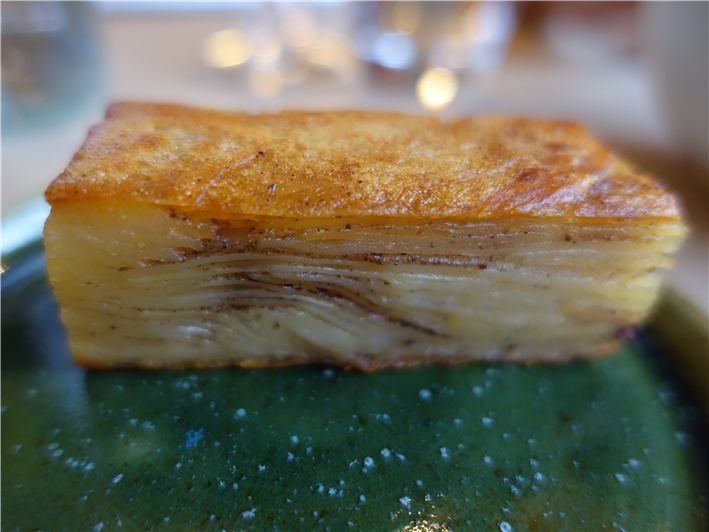
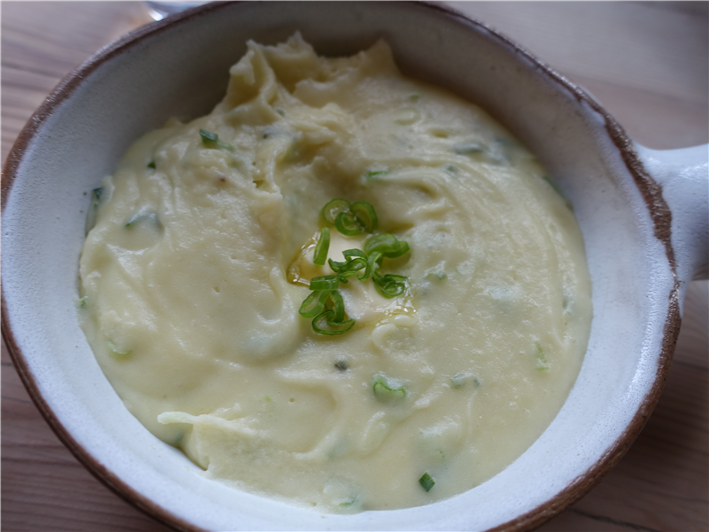
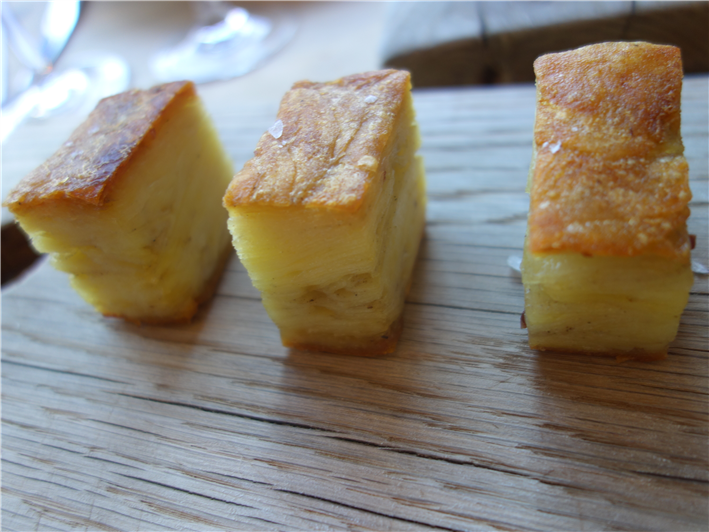
I should mention that on the side were superb pommes soufflées. The origins of pommes soufflées are traditionally traced to Paris in 1837 at the famed restaurant Le Pont de la Tour. Potatoes are sliced uniformly to about 3 mm thick, then gently fried at a moderate temperature until supple but not coloured. They are then transferred immediately to much hotter oil, where the moisture trapped within turns to steam and inflates each slice into a crisp, hollow pillow. Constant movement during the second fry and careful temperature control are essential to achieve an even puff and delicate golden finish. This is a dish that can very easily go wrong and be greasy, so a lot of focus and precision needed. These are probably the best pommes souffles I have ever eaten, edging out even the excellent ones at The Ritz.
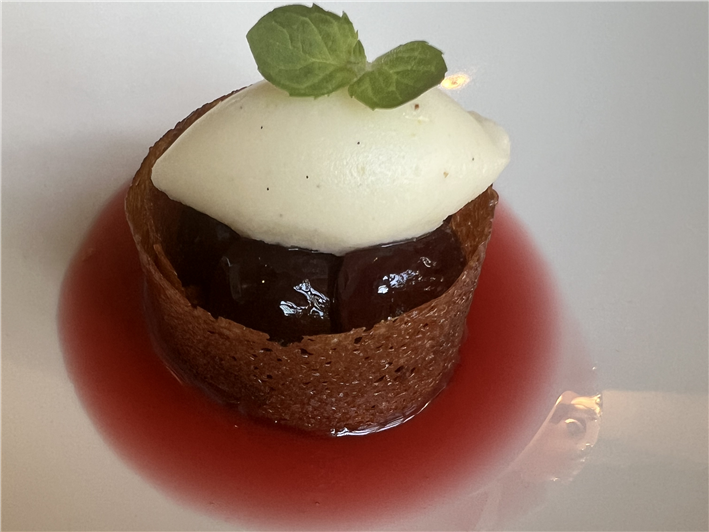
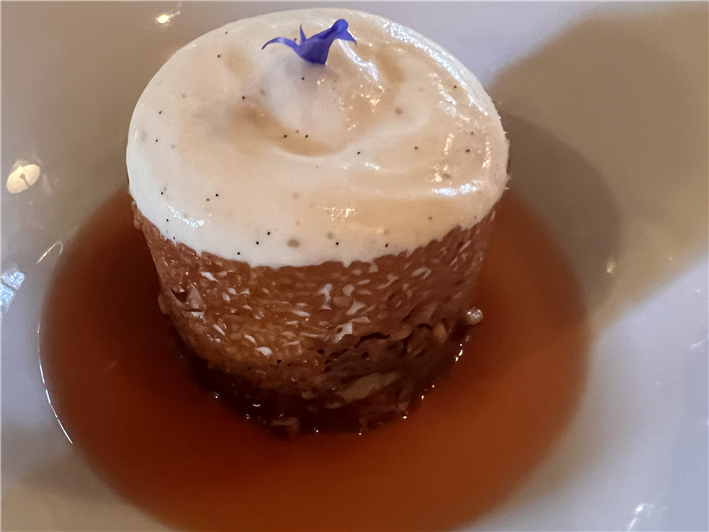
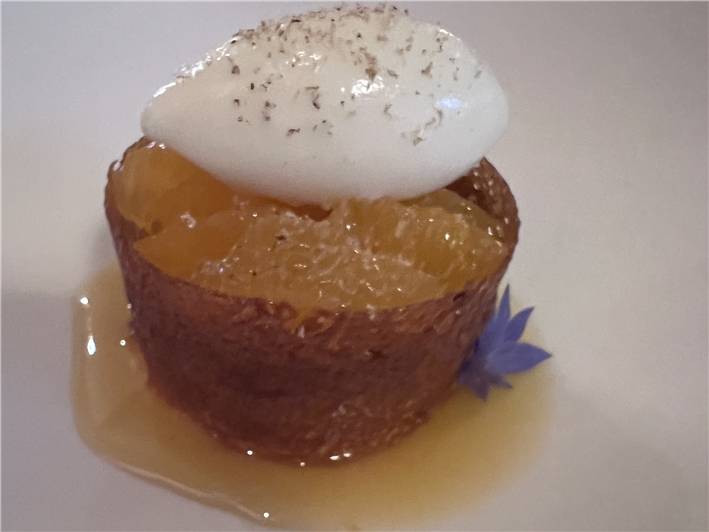
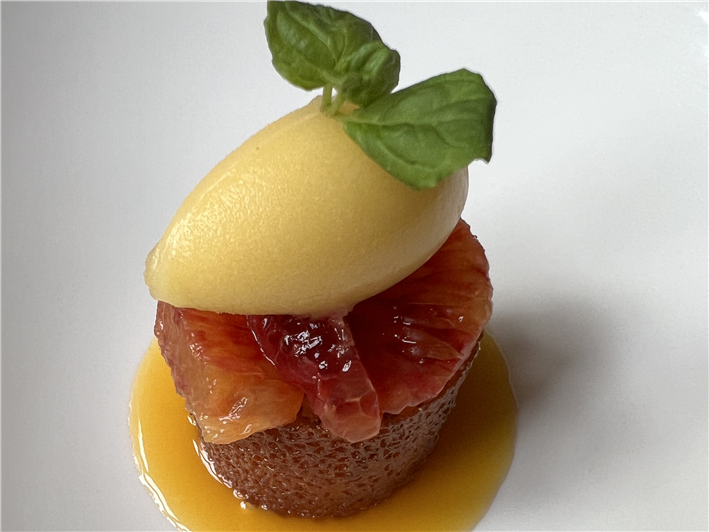
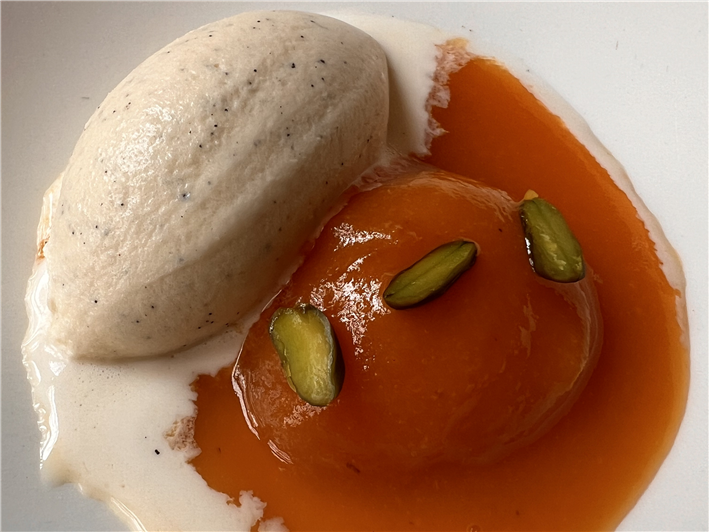
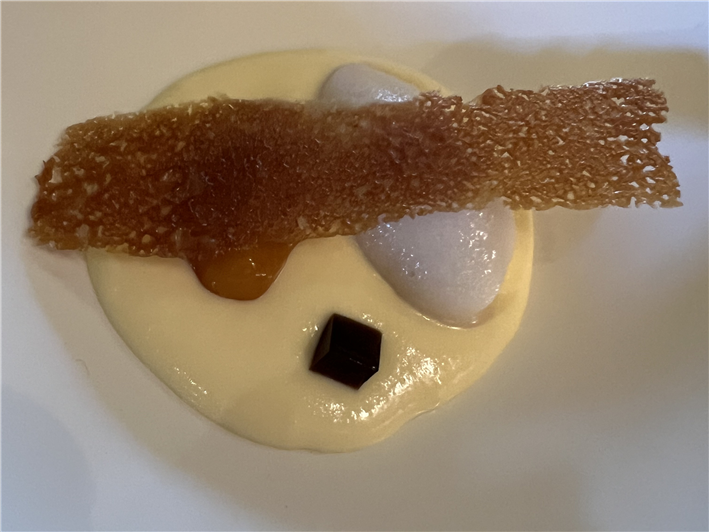
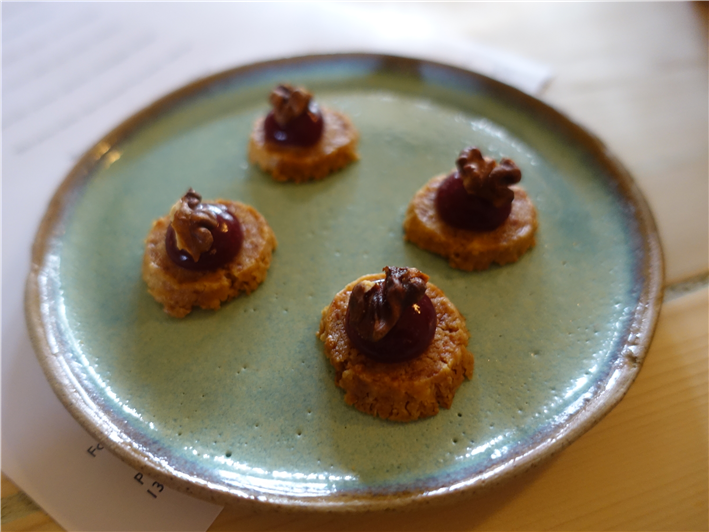
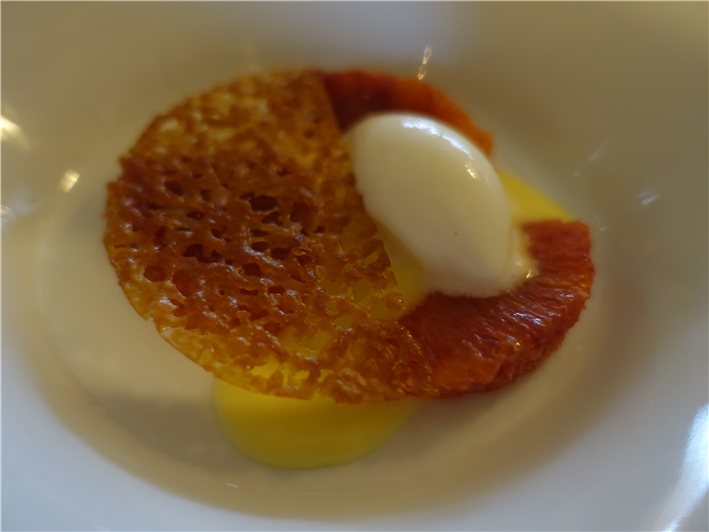
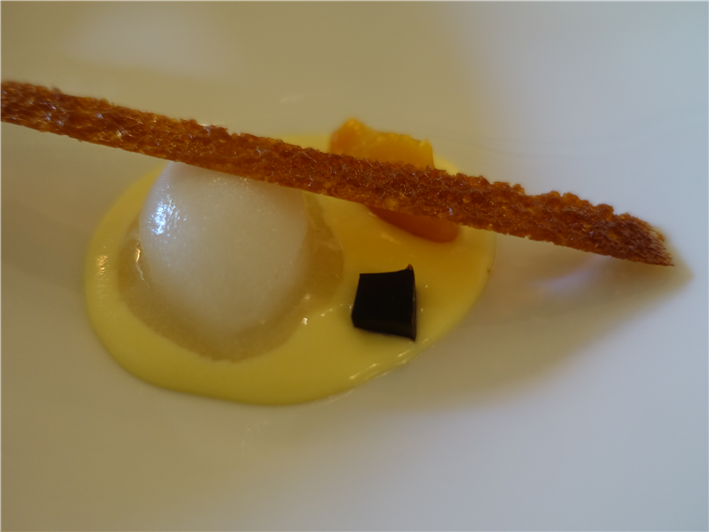
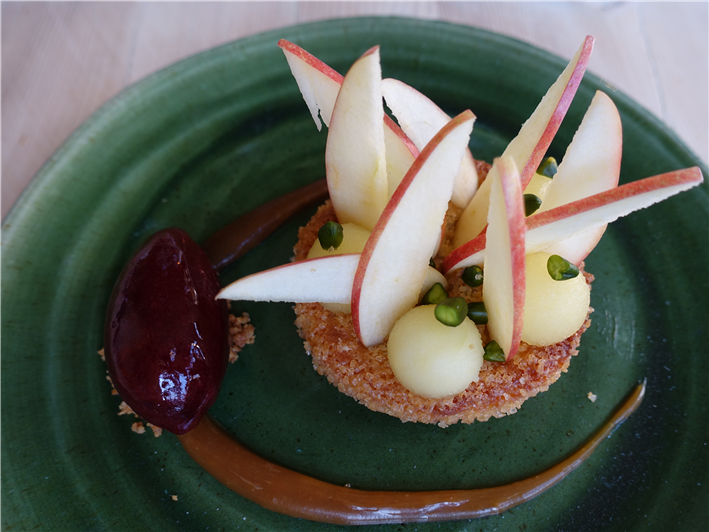
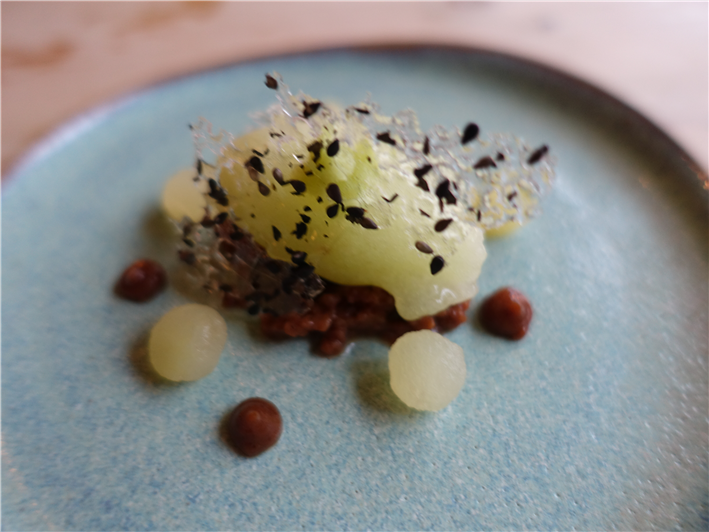
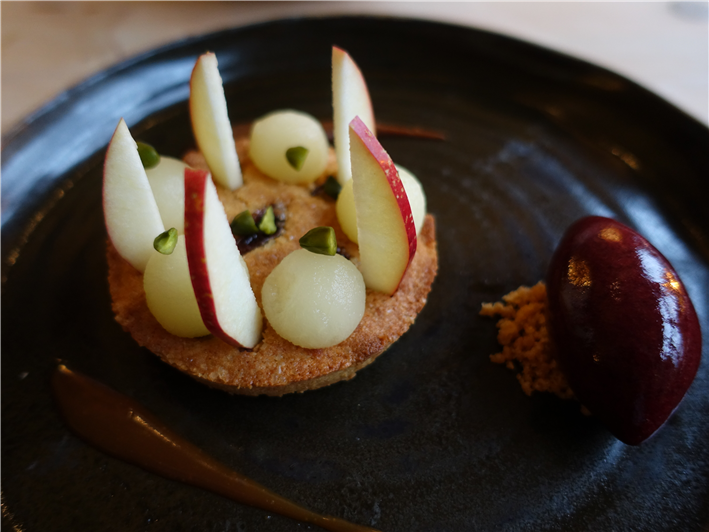
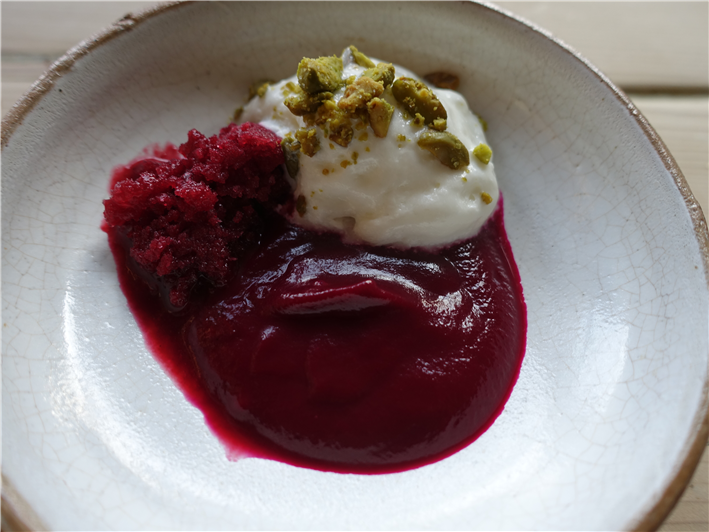
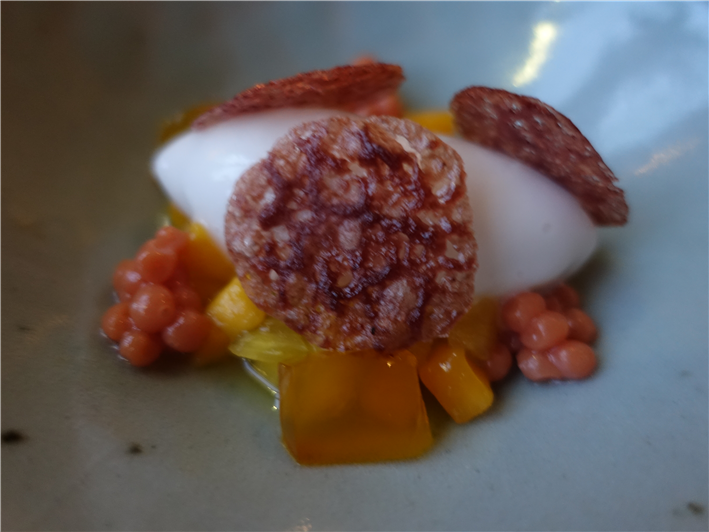
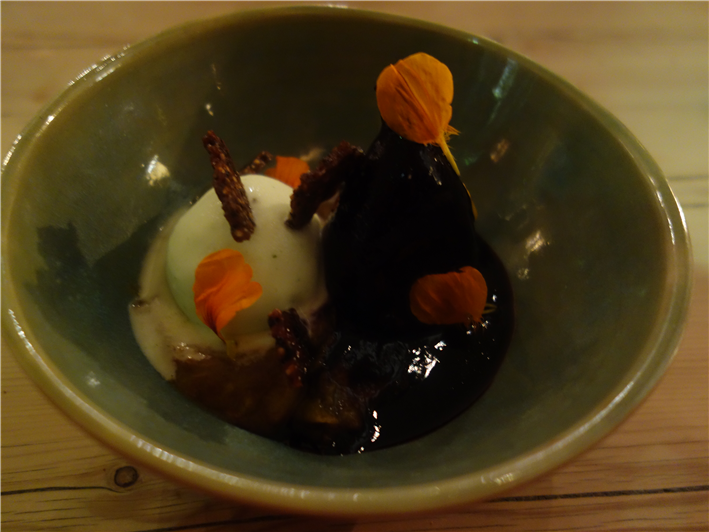
An initial dessert was port-roasted English cherries, orange dentelle, Amalfi lemon sorbet with Manni olive oil. The cherries are roasted in port, vanilla and some Kampot peppercorns in the oven until just cooked. They are then stored in this liquid, taking on the flavours. A delicate orange dentelle tuile is filled with apricot puree, some roasted almond crumble, the roasted cherries are placed on top.
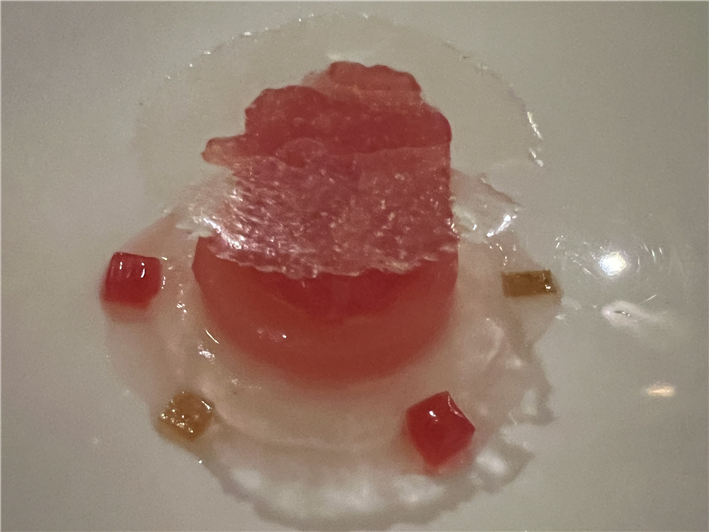
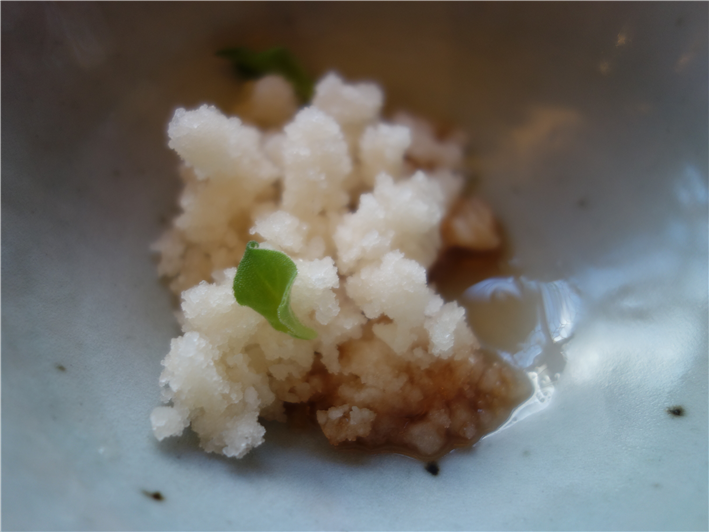
A lemon sorbet used the best of the season’s Amalfi lemons and is finished with Manni olive oil. This is churned to finish, giving the sorbet a luxurious texture. The sauce is made from the cooking liquid of the cherries with some hibiscus, which adds a little astringency to the taste and helps provide freshness. The acidity of the lemon was a nice way to avoid too much richness (16/20).
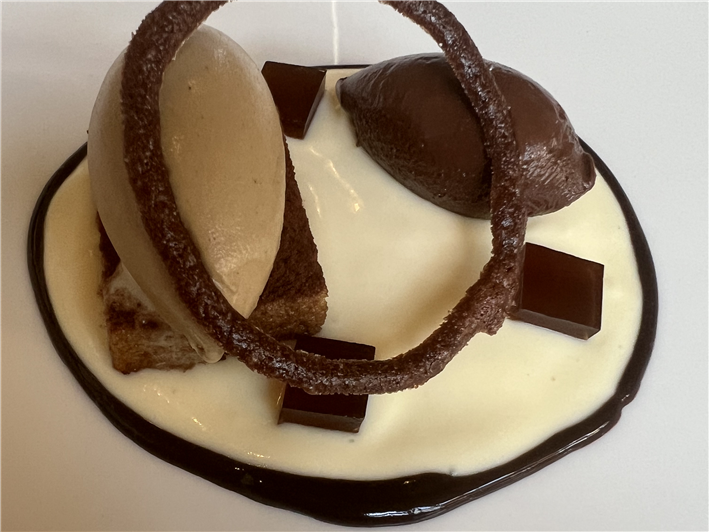
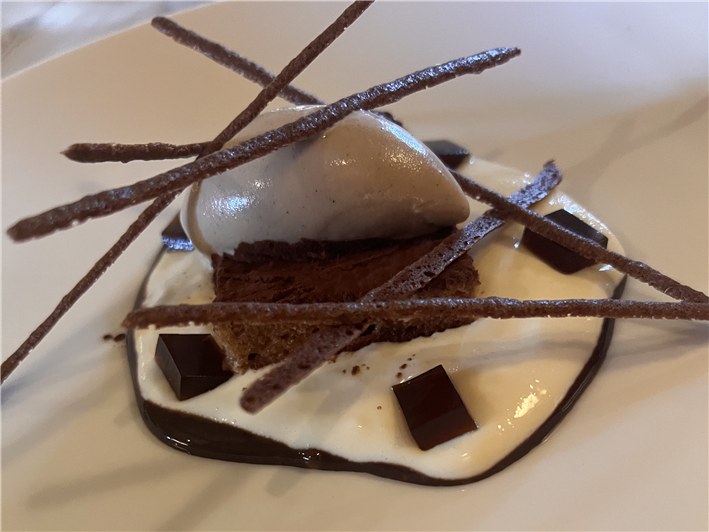
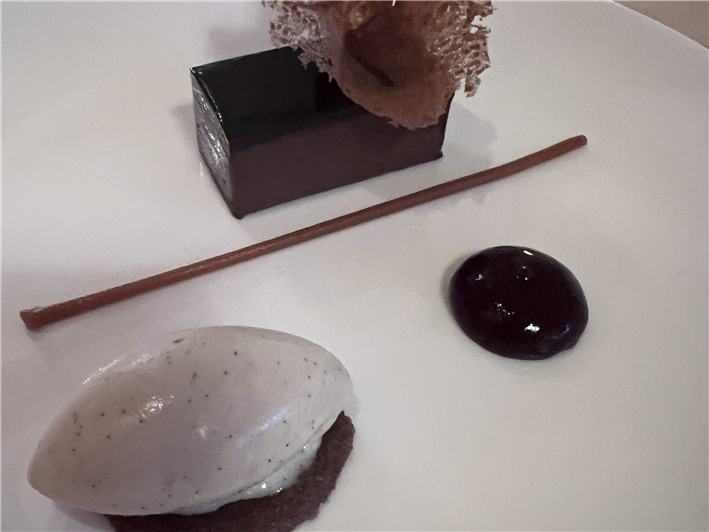
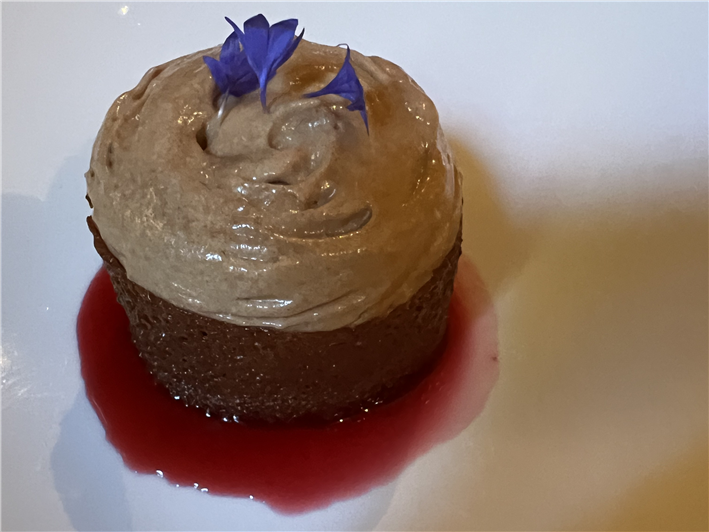
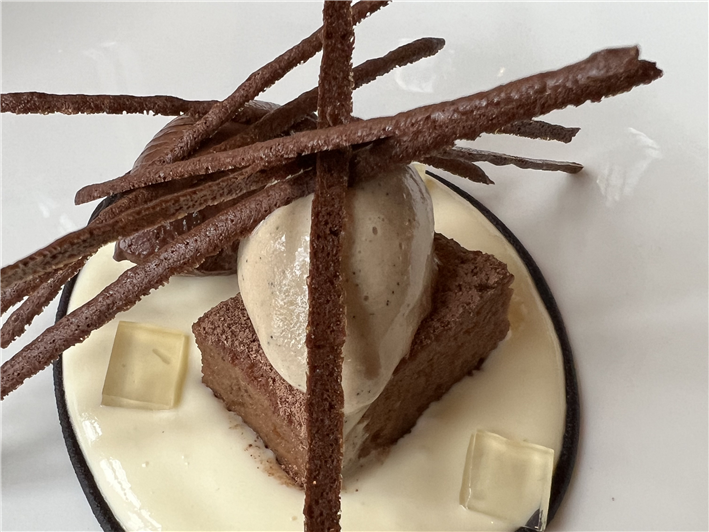
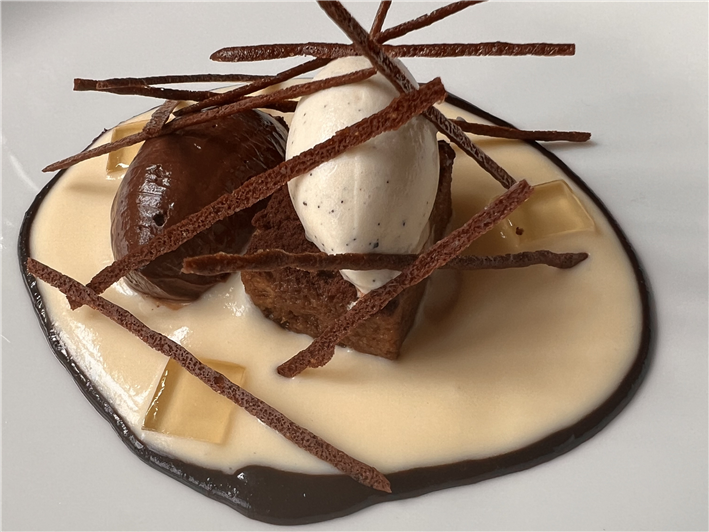
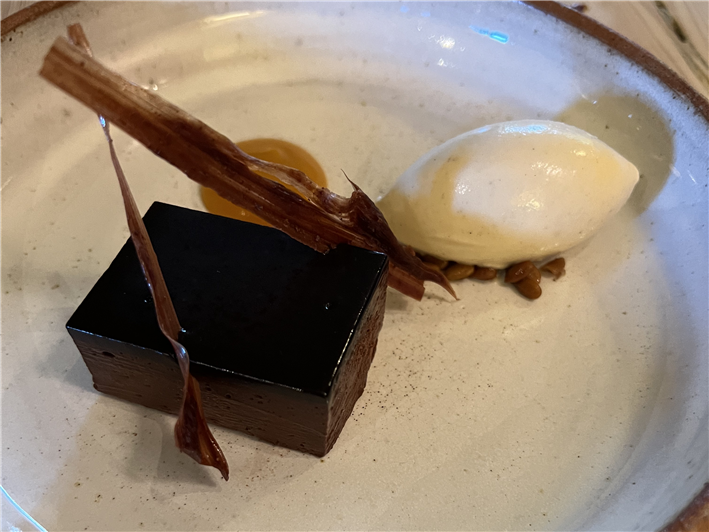
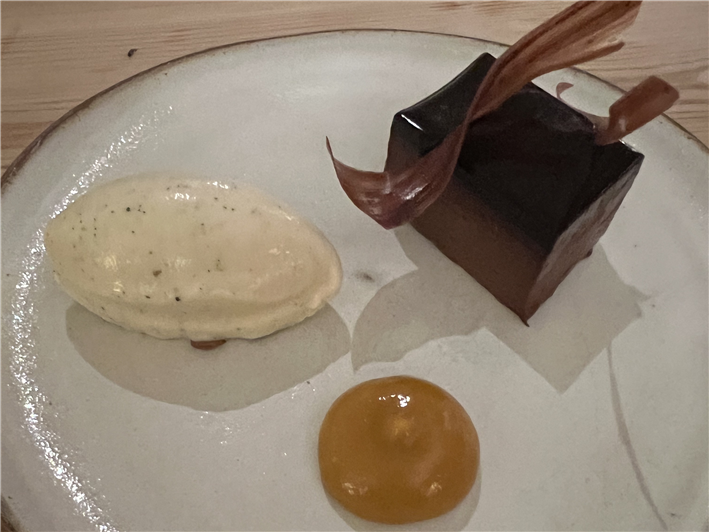
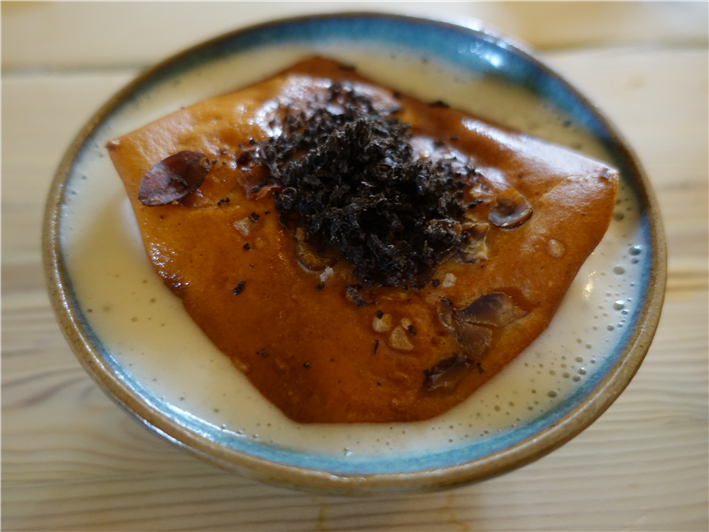
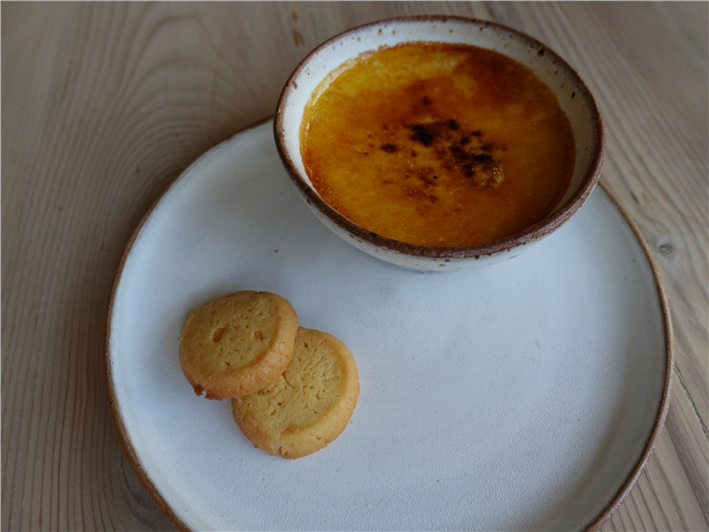
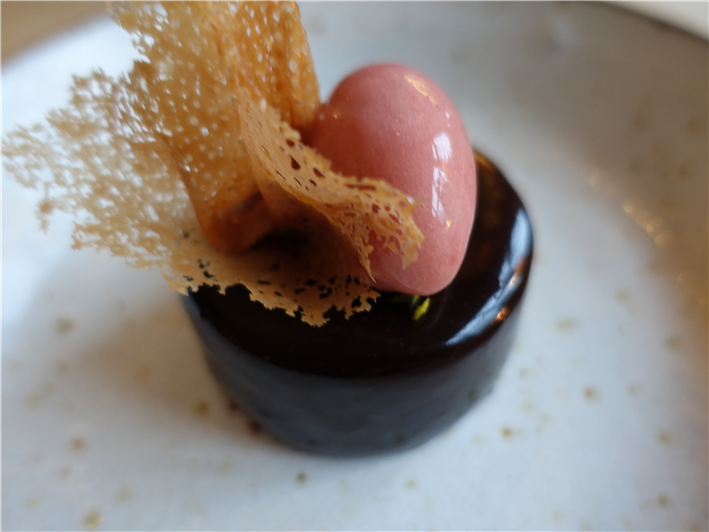
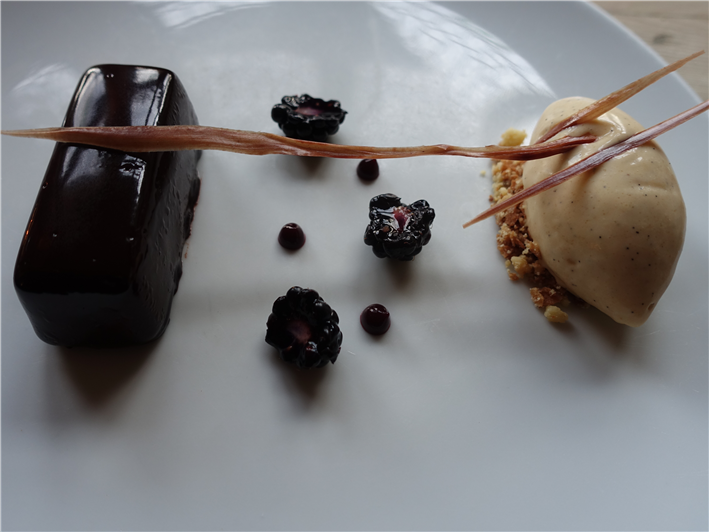
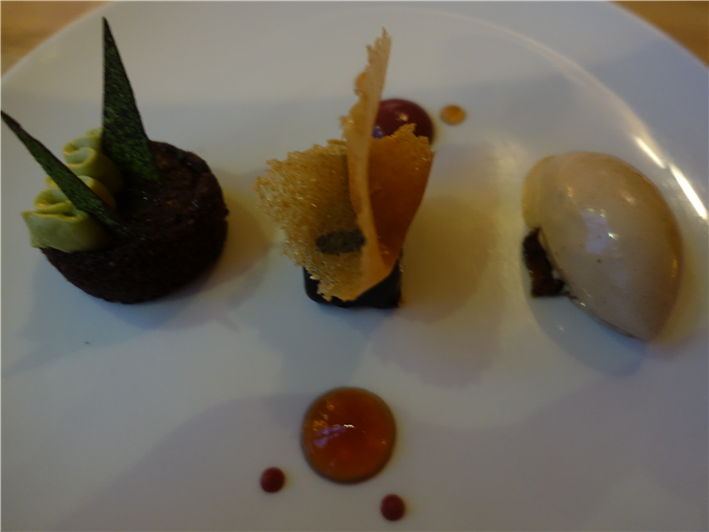
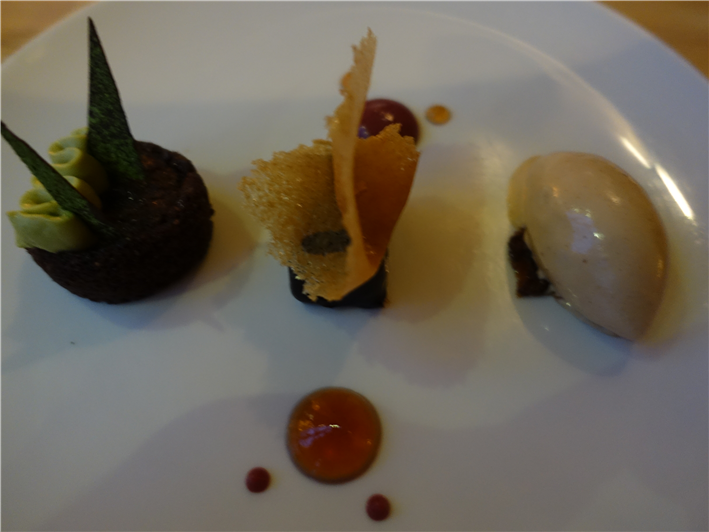
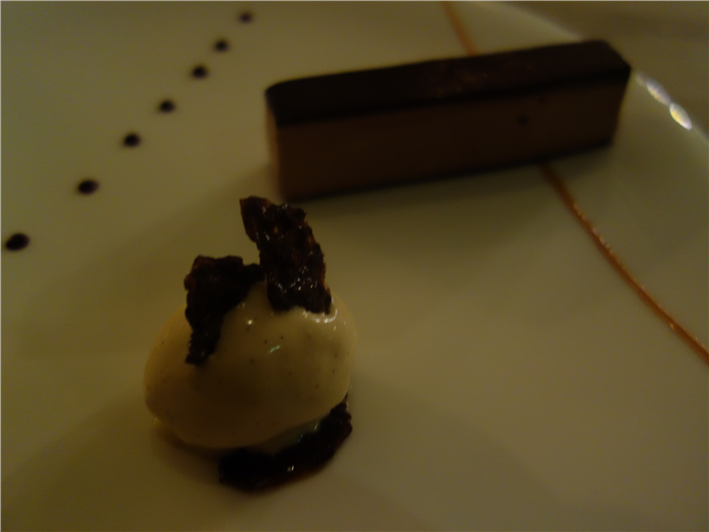
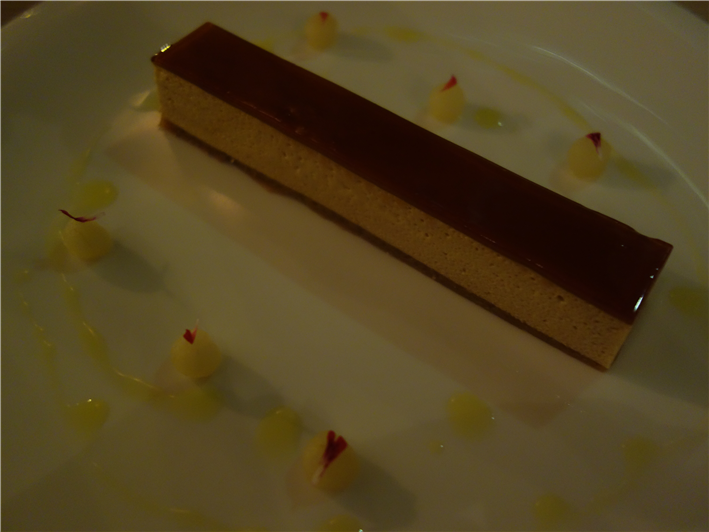
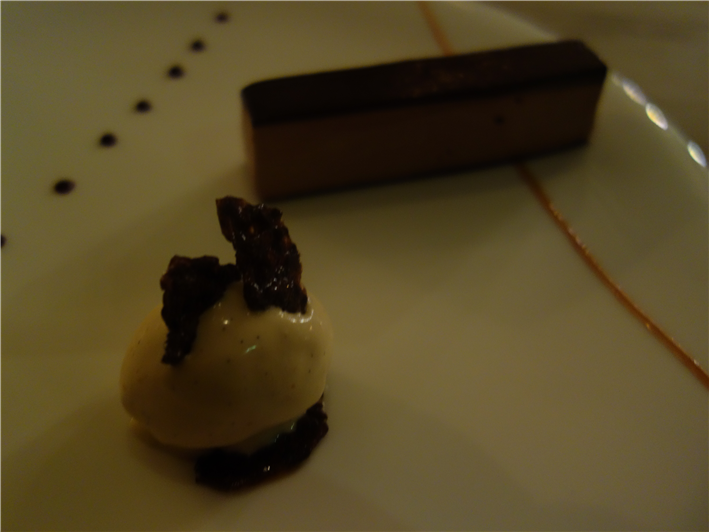
A modern take on tiramisu was made with high quality coffee supplied by Difference Coffee, with cappuccino ice cream and Pedro Ximenes. This version is slightly updated, adding Pedro Ximénez jellies. The tiramisu starts with a chocolate sauce with egg yolk like a custard, which forms a ring around the outside. The chocolate used is Venezuelan 72% Rio Caribe, by Willie Harcourt-Cooze in Devon. Inside this chocolate sauce ring is a mascarpone sabayon. The mascarpone is whipped to aerate it and then folded into a classically cooked sabayon recipe giving a lightness to the mixture once finished. On the mascarpone sabayon is placed a quenelle of a rich chocolate curd made with the Venezuelan 72%, a ladyfinger sponge recipe which is made with glucose to reduce sweetness. The sponge is then soaked in Difference Coffee for a minute, similar to soaking a rum baba before serving. The sponge is then dusted with cocoa powder. The ice cream placed on the ladyfingers is made from brewed Difference Coffee, fresh roasted beans, milk powder, egg yolks and cream. The idea is to echo the flavours of cappuccino but with a lower sugar content, and finally some Pompona vanilla is added. The round tuiles are an almond chocolate dacquoise which have a kind of meringue crispy texture. This was a pretty dish and a nice way to finish the meal (16/20).
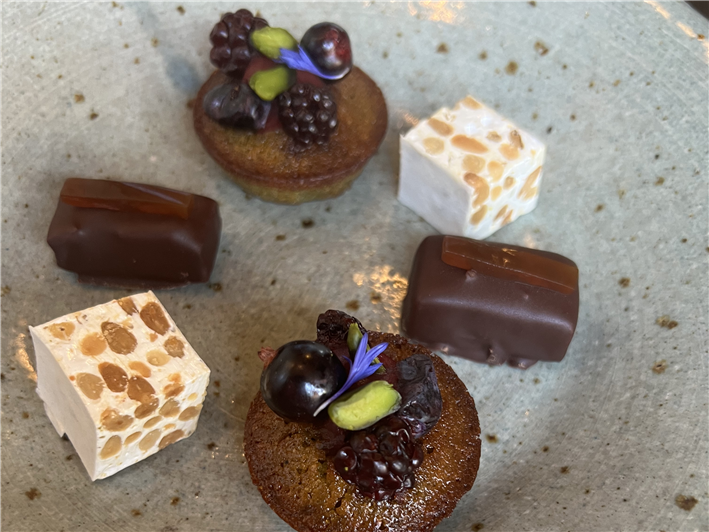
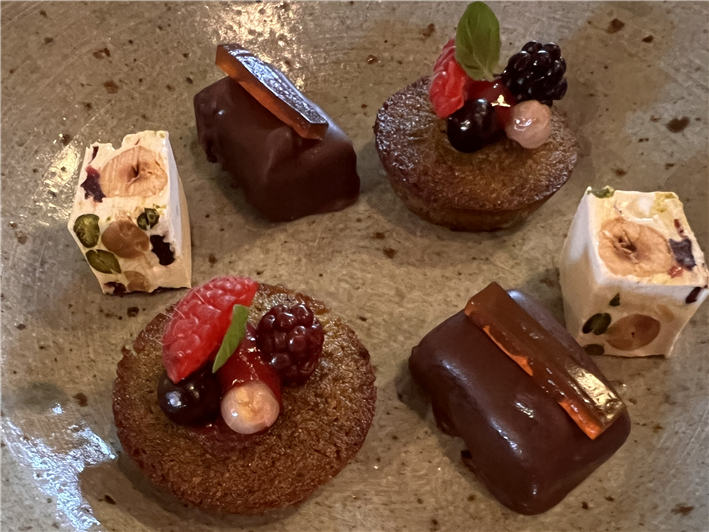
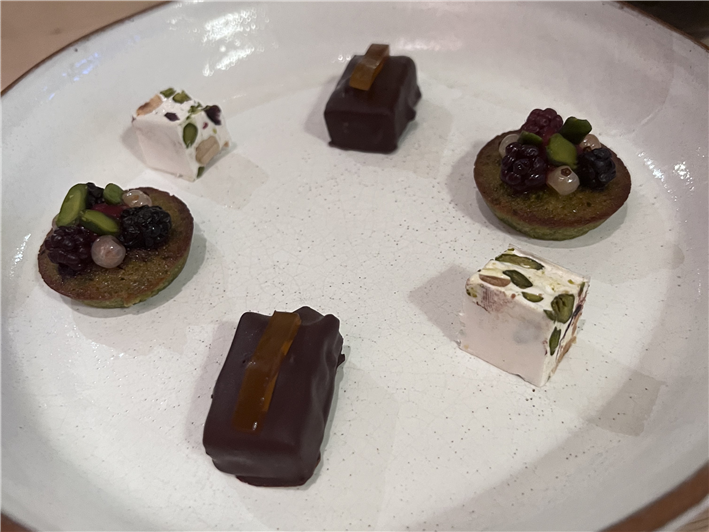
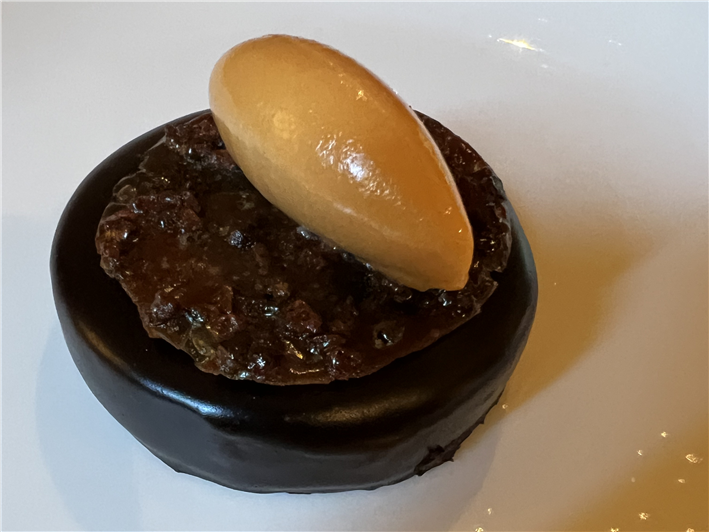
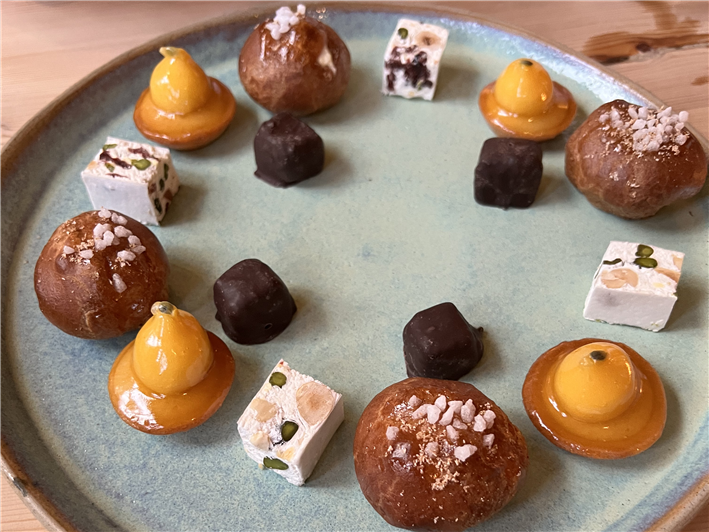
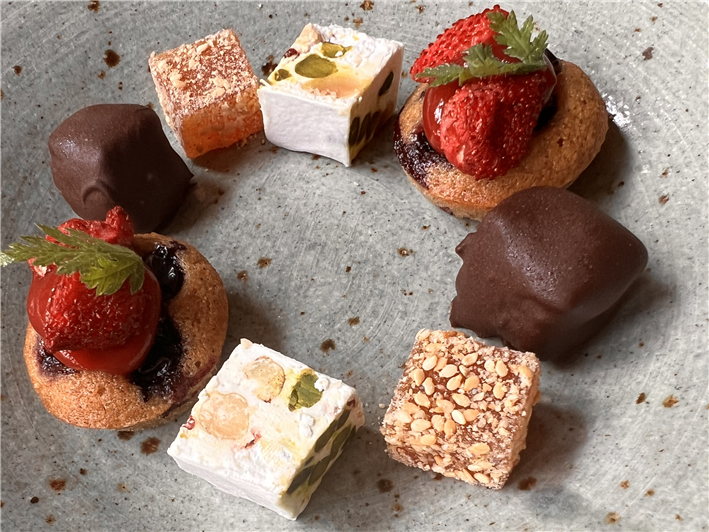
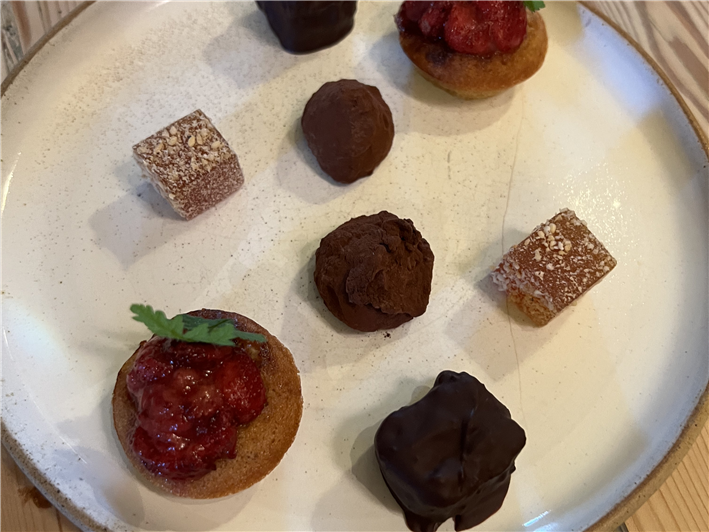
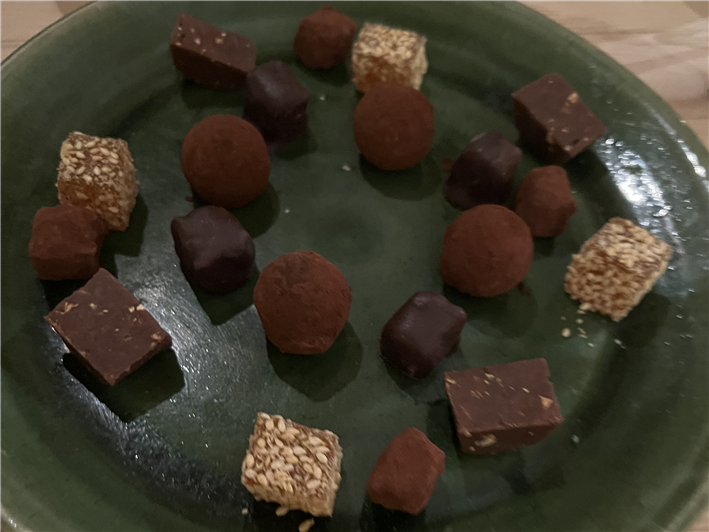
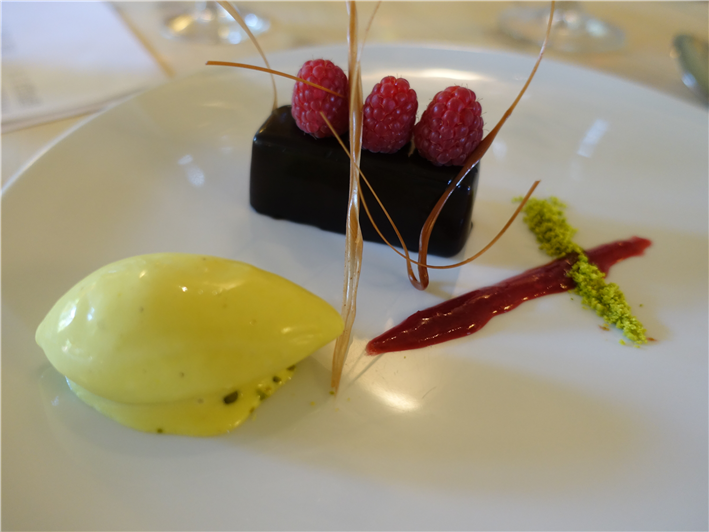
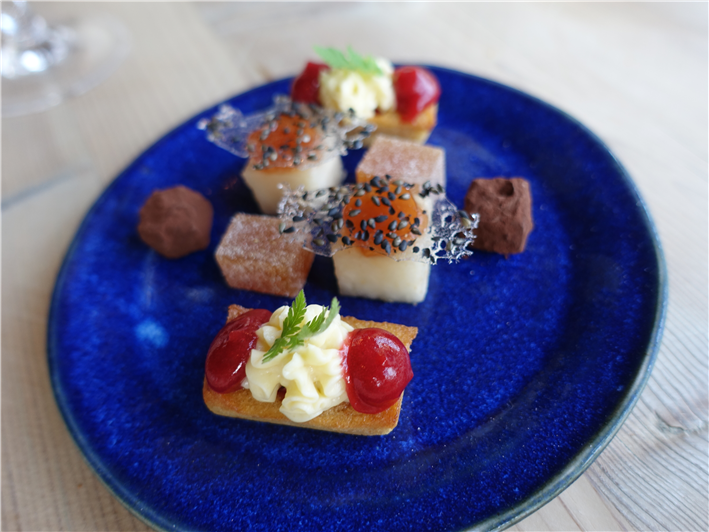
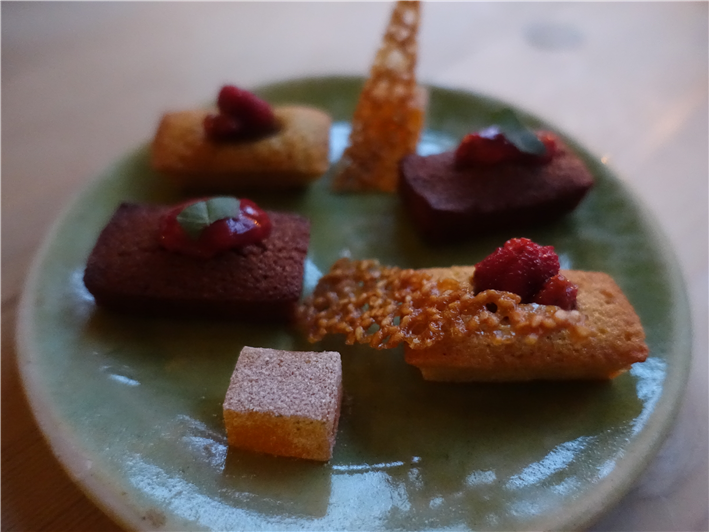
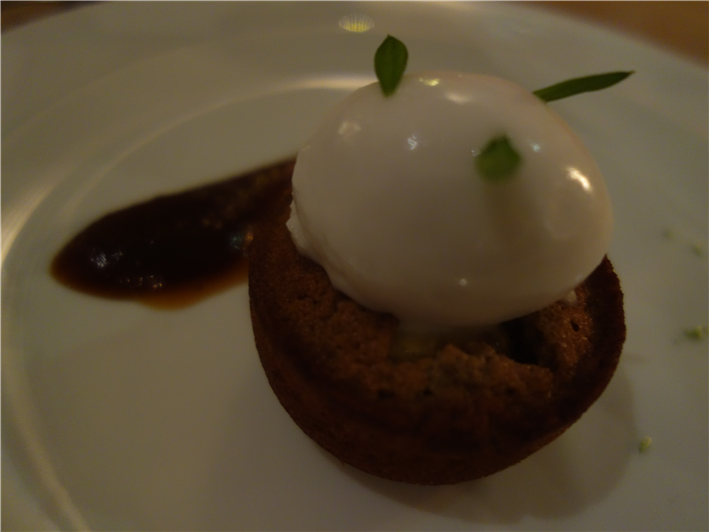
Finally, there was a tray of petit fours. Pistachio and olive oil cake came with wild local blackberries, haskap berries and blackcurrants. This is made with pistachios, polenta, olive oil, and citrus zest, with very little flour, giving a delicate texture. Salted roasted pine nut nougat with wild fennel was a classic nougat made with pine nuts and wild fennel pollen for seasonal freshness. Rum and raisin chocolate with twelve-spice jellies was made with Willie’s Venezuelan 72% Rio Caribe chocolate. To this was added semi-dried grapes soaked in rum and coated in tempered chocolate, accompanied by a spiced jelly made with twelve spices, including cardamom, cinnamon, cloves, and saffron, set with agar.
Service was charming and the bill came to £179 per person. The Dysart is one of my favourite restaurants, and you can see from the descriptions of how the dishes are made that a tremendous amount of technical skill goes into the food here. It seems surreal to me that this has just one Michelin star.
Further reviews: 30th Jan 2026 | 28th Dec 2025 | 09th May 2025 | 24th Jan 2025 | 01st Aug 2024 | 20th Jun 2024 | 08th Dec 2023 | 27th Oct 2023 | 17th May 2023 | 17th Feb 2023 | 18th Feb 2022 | 12th Jun 2021 | 24th Jul 2020 | 04th Jul 2020 | 13th Mar 2020 | 15th Nov 2019 | 14th Nov 2018 | 15th Dec 2017 | 15th Sep 2015 | 04th Mar 2014 | 03rd Jan 2014
Add a comment
Thank you for submitting your comment, this will be checked and added to the website very soon.
User comments