


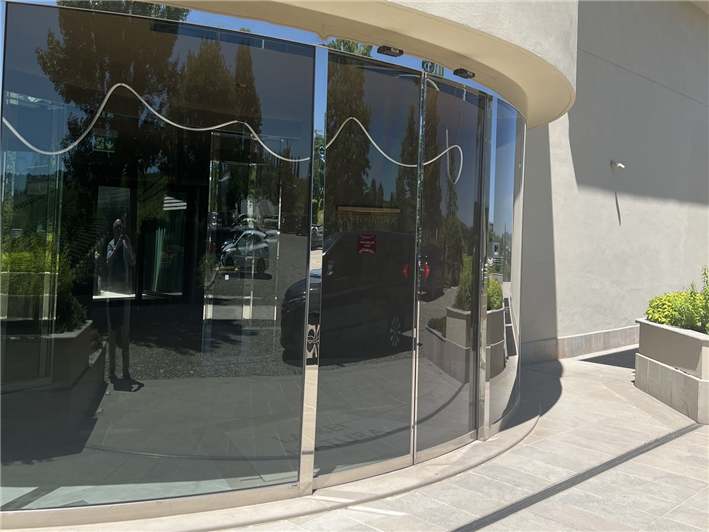

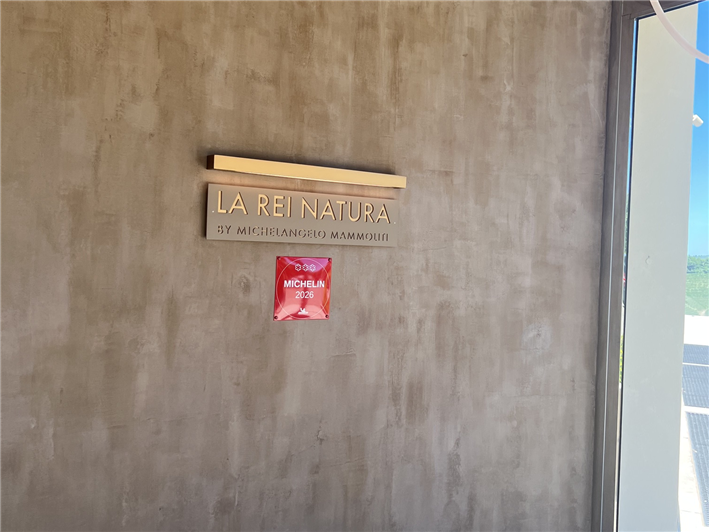
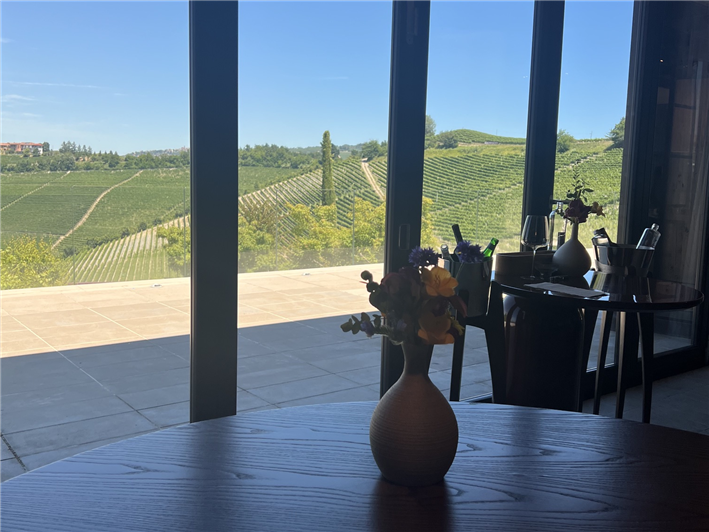
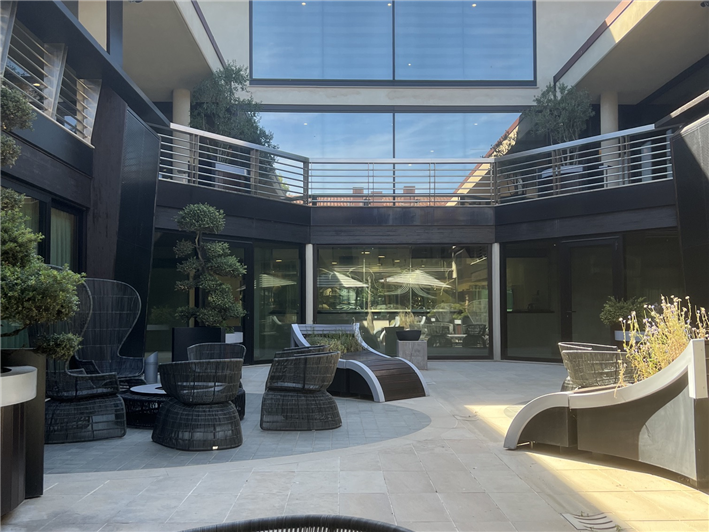
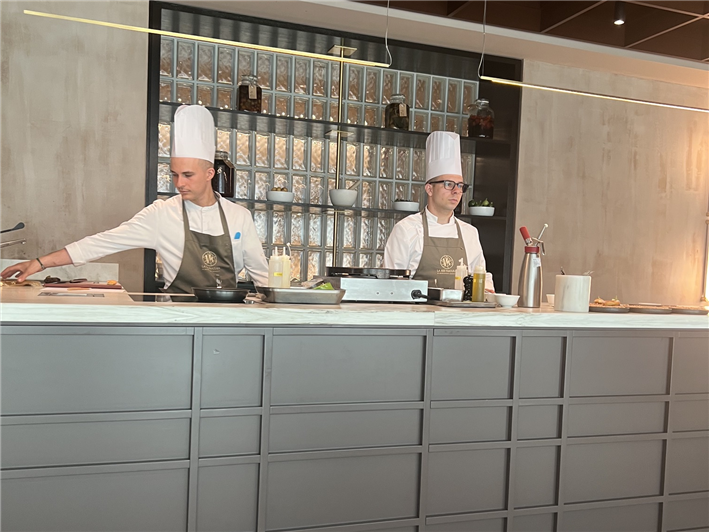

The chef and owner of Rei Natura, Michelangelo Mammoliti, was born in 1985 and was brought up near Turin. He opened this restaurant, in a resort near Alba in the Langhe region, in 2023. The establishment is nestled amongst the vineyards of Barolo. As you drive up to the restaurant you pass many vineyards, and there are some lovely views over the nearby hillsides and villages. It includes large greenhouses that supply much of the produce used in the restaurant. It is located around 100 miles south of Milan and 50 miles east of Turin. The restaurant earned two Michelin stars shortly after opening, and a third in November 2025. Michelangelo Mammoliti had previously trained under the legendary Gualtiero Marchesi, then worked at Le Meurice under Yannick Alleno, Restaurant 1947 and became sous chef at Esperance. He was executive chef at La Madernassa, gaining the restaurant a star in 2017 and a second star in 2019. The restaurant itself seats 35 diners, with very generously spaced tables. The hotel is the Il Boscareto Resort & Spa in Serralunga d'Alba, and has 49 rooms. The windows of the dining room look out over a vineyard, so it is quite a picturesque spot. The flagship tasting menu was €450, but there was also one at €350, and an Asian influenced menu at €280. We went for the main tasting menu.
The wine list was vast, with around 2,500 selections. These included Cascina Castlet Passum Superiore, Barbera d'Asti 2015 at €70 for a wine that retails at €24, Cogno Elvio Barbera d’Alba 2016 at €80 compared to its retail price of €31, and Marjan Simcic 'Opoka' Ribolla Rebula 2019 at €100 for a bottle that will set you back €44 in a shop. For those with the means, there was Luigi Baudana 'Baudana' Barolo 2012 at €280 compared to its shop price of €66, and Gravner 'Sivi' Anfora Pinot Grigio 2006 at €360 for a wine whose current market value is €108.
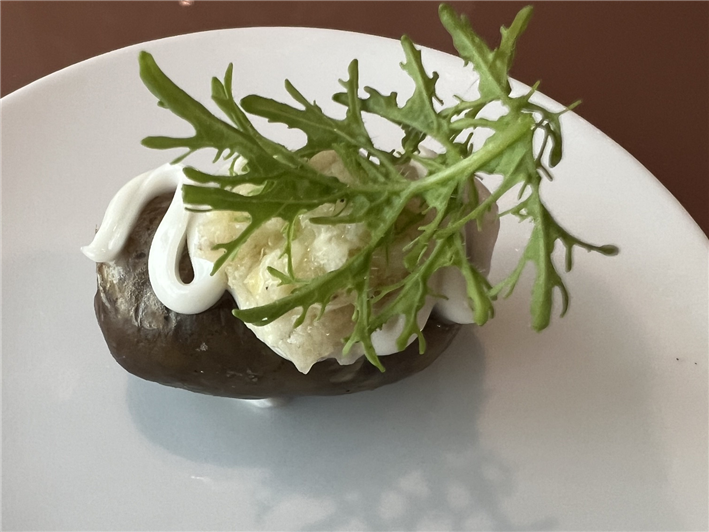
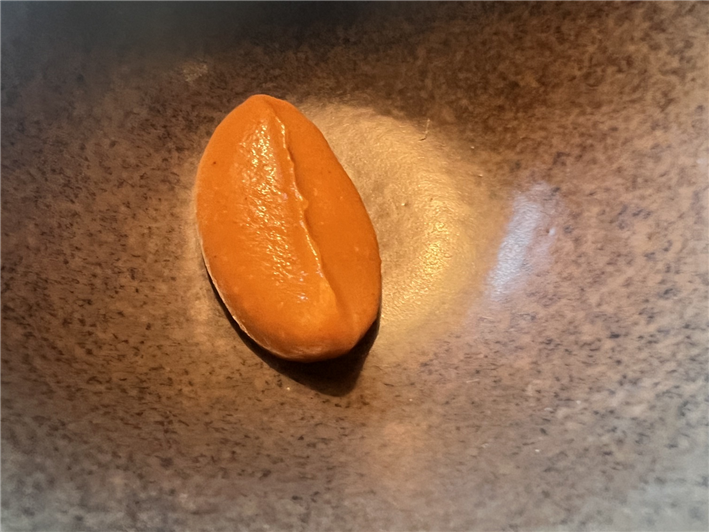
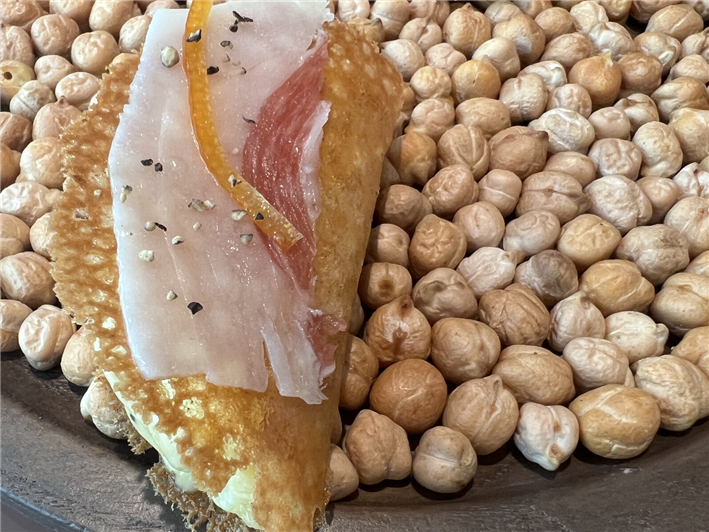
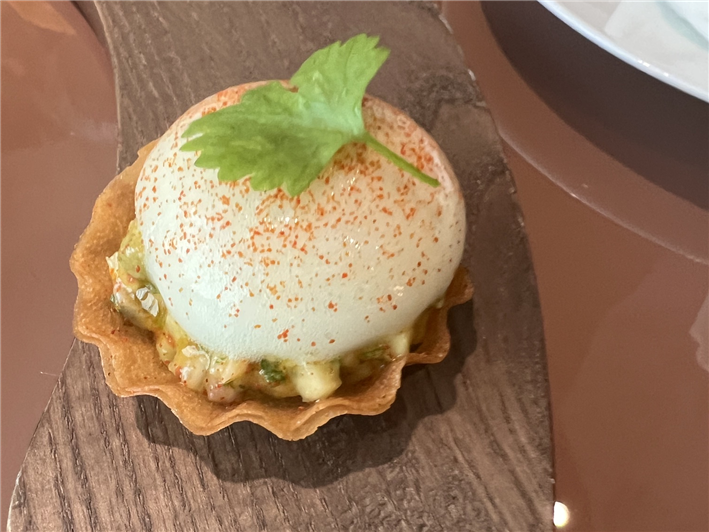
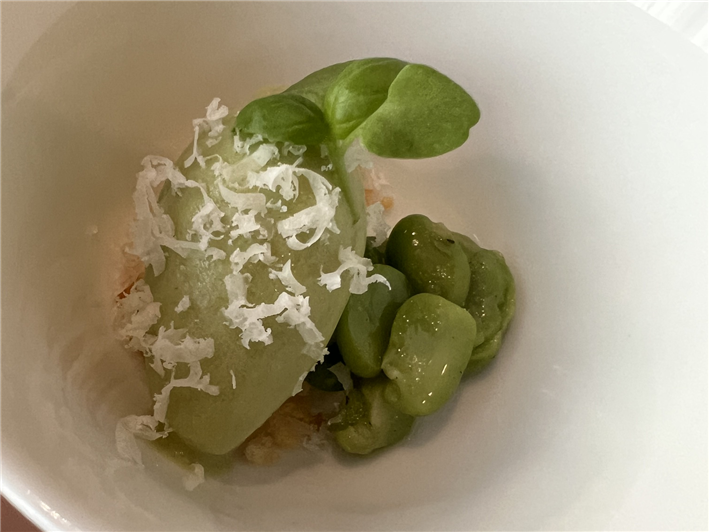
The meal here began with canapés in a lounge area. A smoked eel sausage flavoured with horseradish was tasty. There was also a crisp blini made from chickpea flour with sweetened lard and candied orange, which was pleasant. Less good was a tartlet of Mexican pepper, avocado brunoise, cucumber, lime, mackerel, foam of cucumber and smoked pepper powder. Despite all these potentially quite distinctive ingredients, the combination ended up being curiously bland. Better was a broad bean sorbet and beans with rose vinegar and Pecorino cheese, which was refreshing (canapé average just about 16/20).
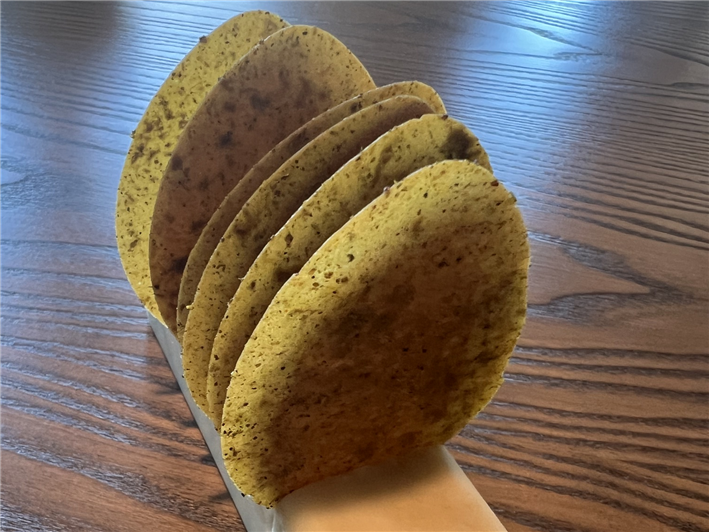
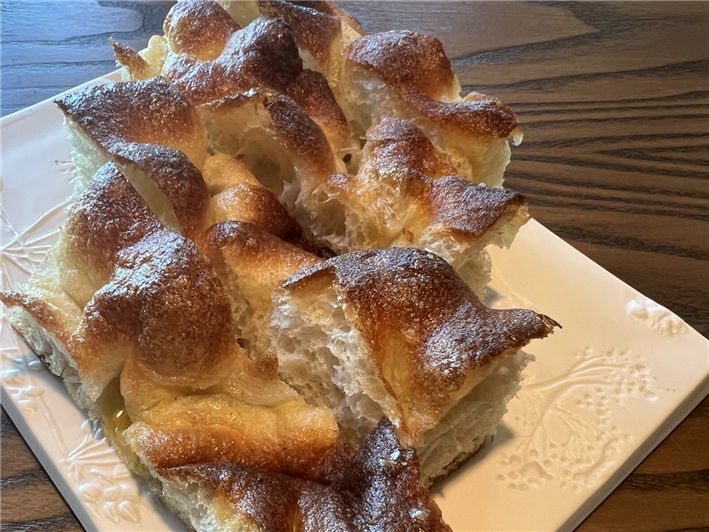
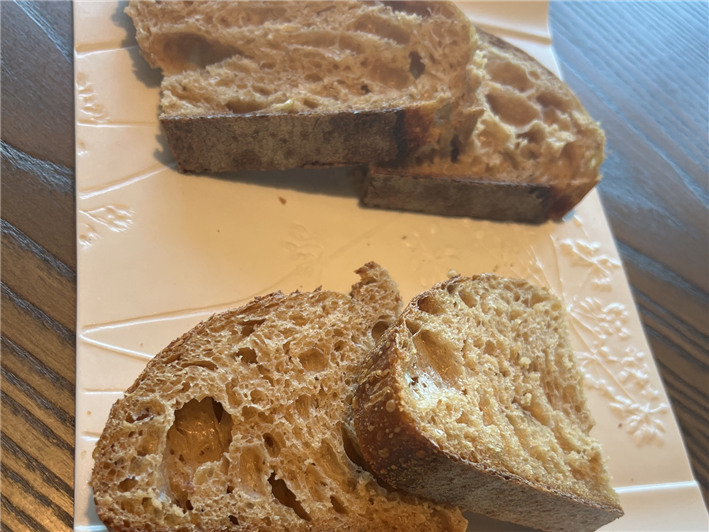
At this stage we moved to the main dining room. An amuse bouche was a kind of chicken sandwich with fermented carrots and glazed roasted carrot. Alongside was also a glass of carrot juice and a carrot ketchup from their garden. This was all pleasant without being particularly inspiring (15/20). At this point some bread appeared with a selection of olive oils. Carte musica flavoured with pepper was very delicate, and focaccia was very good indeed, light and airy in texture.
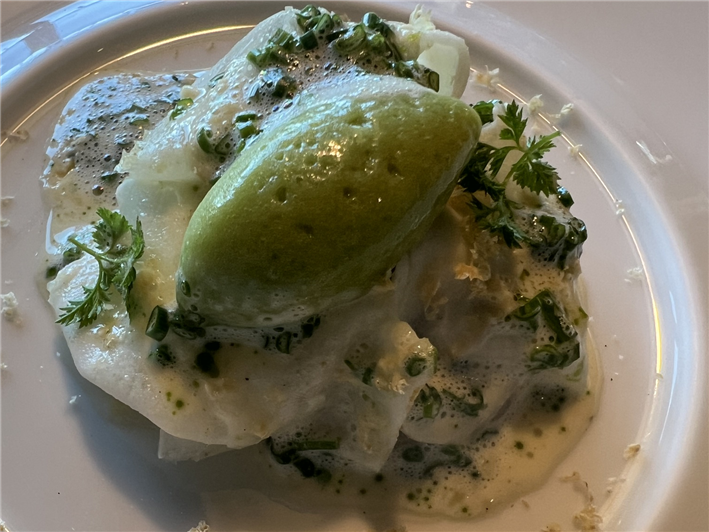
The next course involved scallop and celeriac strips with a celeriac sorbet and a little caviar. The celeriac was grown in the hotel garden and its earthy taste was excellent. The scallops used were imported from Japan and the Beluga caviar was from Brescia in Italy, supplied by Calvisius in Lombardy. The celeriac itself was fine but its distinctive flavour overpowered the delicate scallops, which were anyhow frozen so had limited flavour. I don’t really understand why you would serve scallops in this part of the world, up in the hills and so far from where they would naturally be found. If you just left out the scallops, the dish would probably have not been any the worse (just about 16/20).
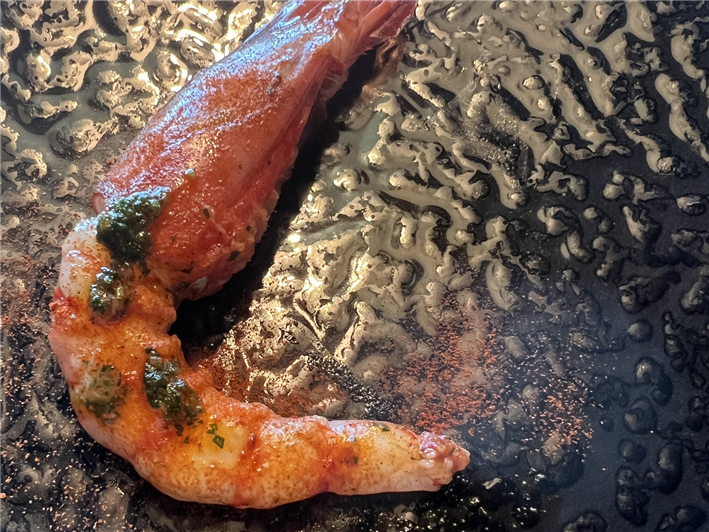
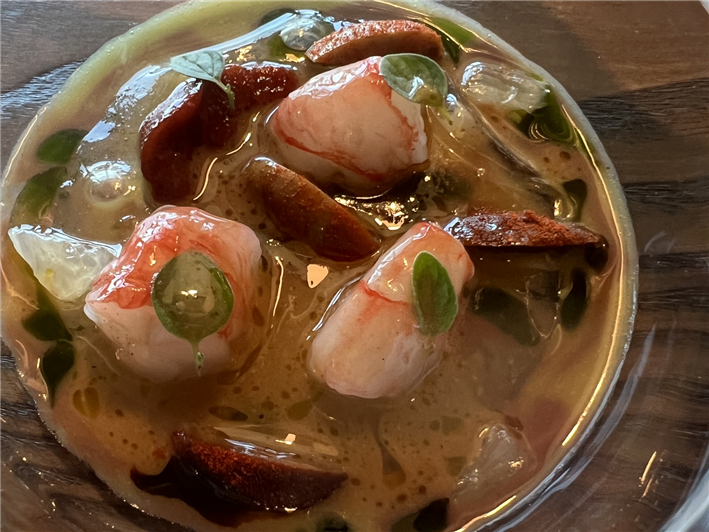
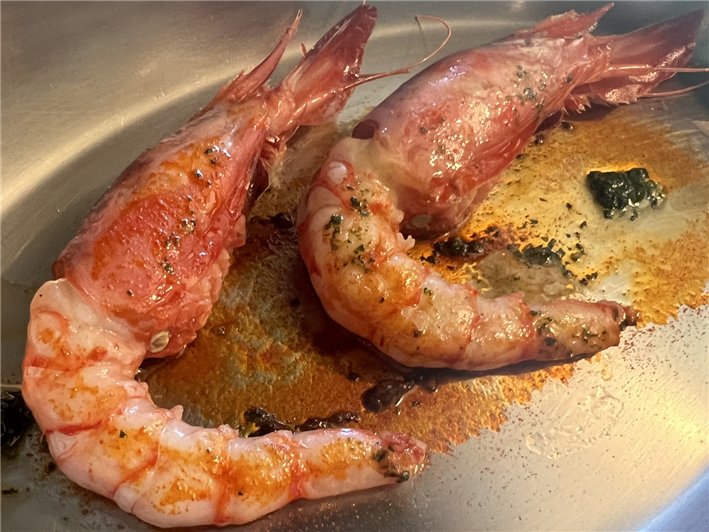
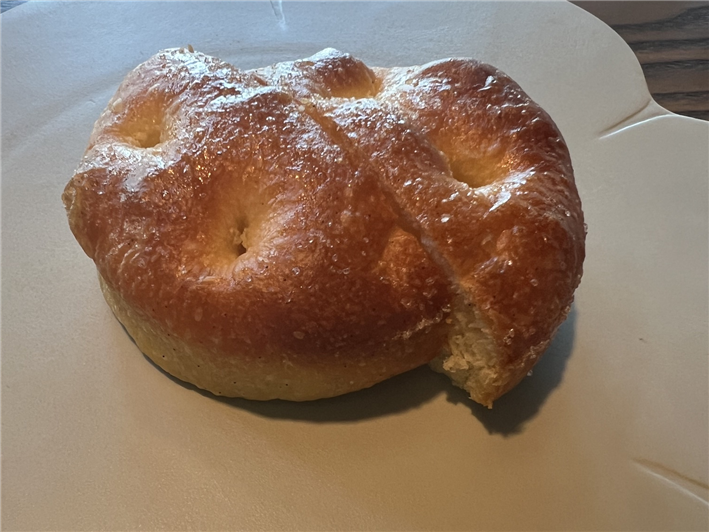
Purple prawns from San Remo were served raw with an olive sauce and sea urchin from the coast of Italy. These were nice individual ingredients but I’m not sure they combined especially well, the olive flavour being rather dominant. We then had lightly grilled San Remo prawns in their shells, which were fine (15/20). A different bread appeared at this stage, flavoured with Maldon salt miso and lemon, which was unusual but worked well enough as it was quite subtle. The bread itself had good texture.
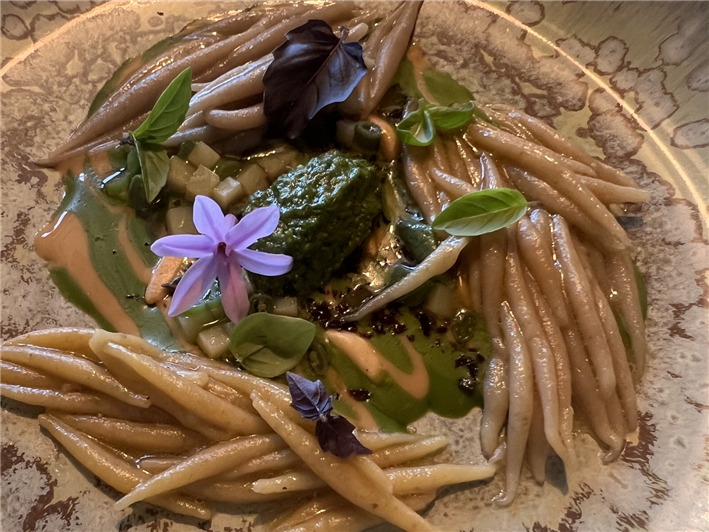
Next was troffia pasta from Genoa in three different versions. One was made with cornflour, one from chestnut flour and one from spelt. This came with brunoise potatoes with green beans, and pesto with three different basil varieties. This was all very pleasant but it seemed to be overly complicated for the sake of showing off technique, rather than the different styles really showcasing anything in particular (15/20).
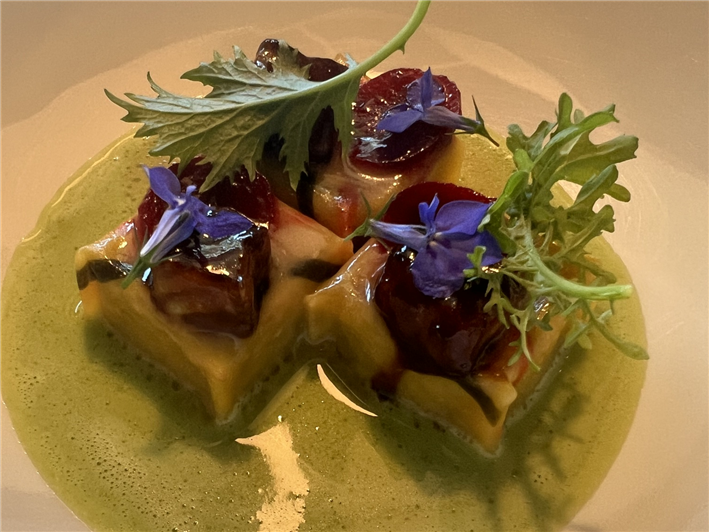
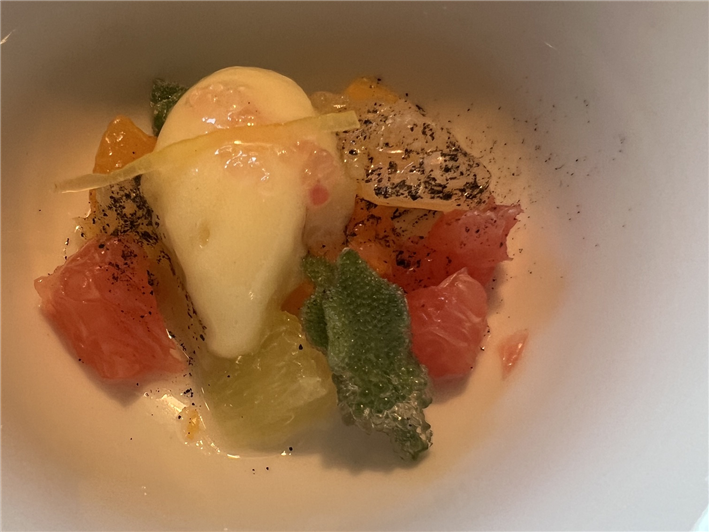
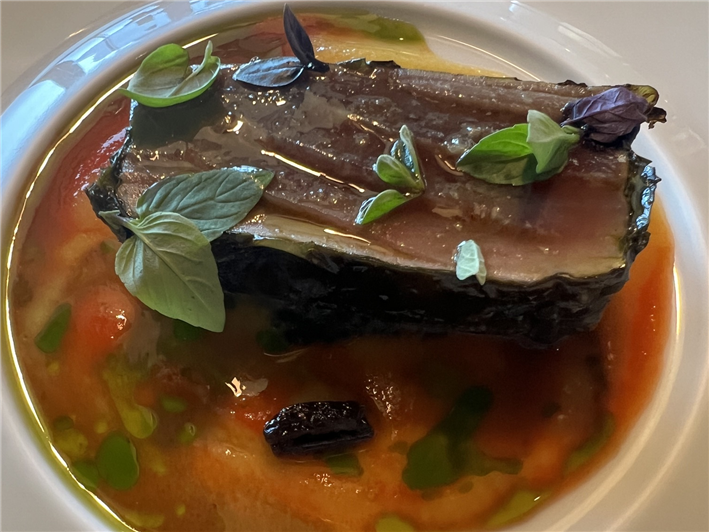
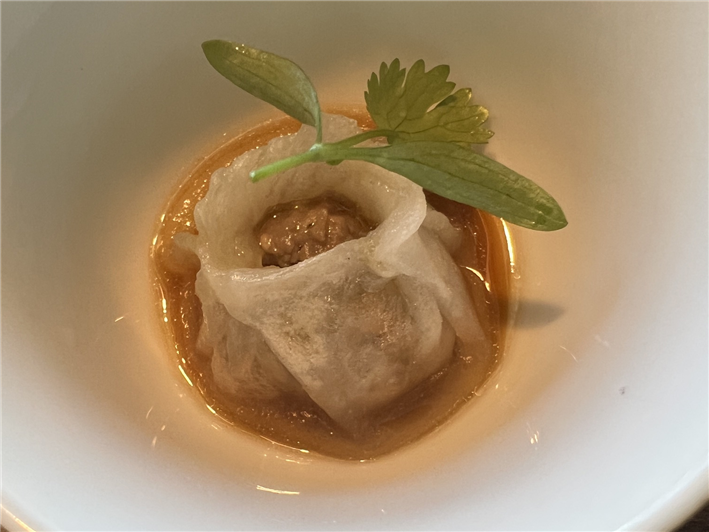
Next was cubix ravioli with smoked eel, beetroot and rocket with horseradish sauce. This was a more coherent dish, with a good balance of flavours from the earthy beetroot and rich eel, lifted by the gentle bite of horseradish (16/20). This was followed by a palate cleanser of grapefruit, lime, lemon and a citrus sorbet. This was pleasant and was certainly refreshing (15/20), albeit I’m not sure it was really necessary. Palate cleansers were all the rage in the 19thcentury in France, and were common in 1980s era London restaurants, but I am not sure what they really achieve except when you have several rich dishes in a row and need to break them up. The next course was tuna, cooked and served with basil, oregano, kombu and a reduction of tomato and basil sauce. The tuna was fine but tuna is an ingredient that I personally prefer raw to being cooked. The sauce was nice enough but was not especially intense (15/20).
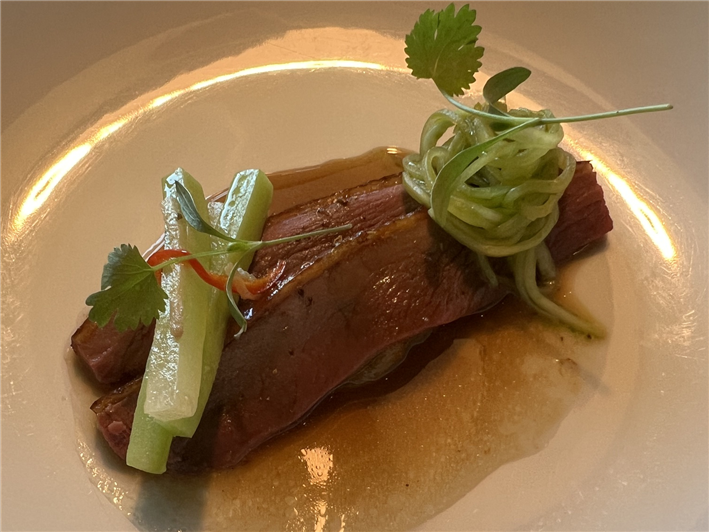
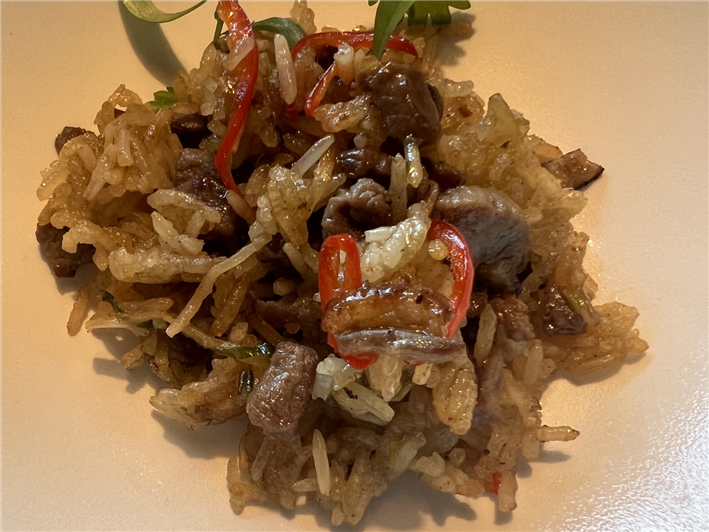
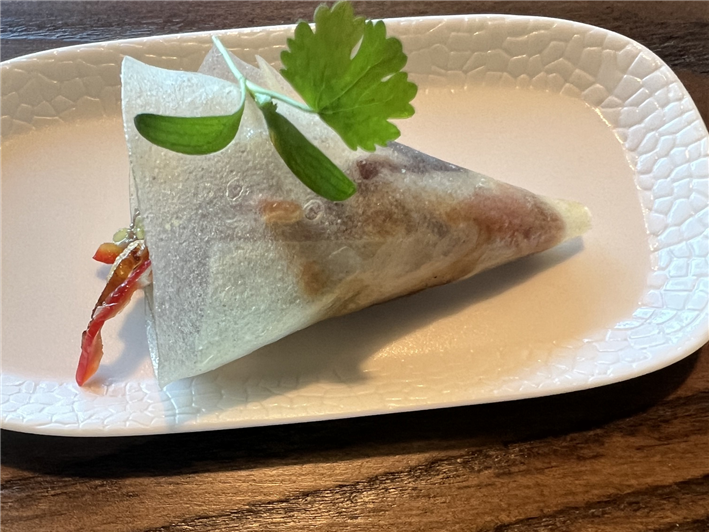
The final savoury course was a nod to the Chinese dish Peking duck. The duck strips were served pink and came with coriander, cucumber, spicy pepper and a jus of the cooking juices flavoured with pepper. A further service of duck involved rice flavoured with coriander, lemongrass and chilli. In the side was a little duck and lime pancake, and also a duck fried dumpling or gyoza. The duck with the rice was a touch gristly in texture, and although the pancake and dumpling were fine, I don’t really know what this dish was all about. Peking duck can be a great dish and I am not sure why a version of it is on a plate in an Italian restaurant, especially when the execution was not especially good (barely 14/20). I had an excellent traditional Peking duck in London a couple of weeks ago and that was better in every dimension than this.
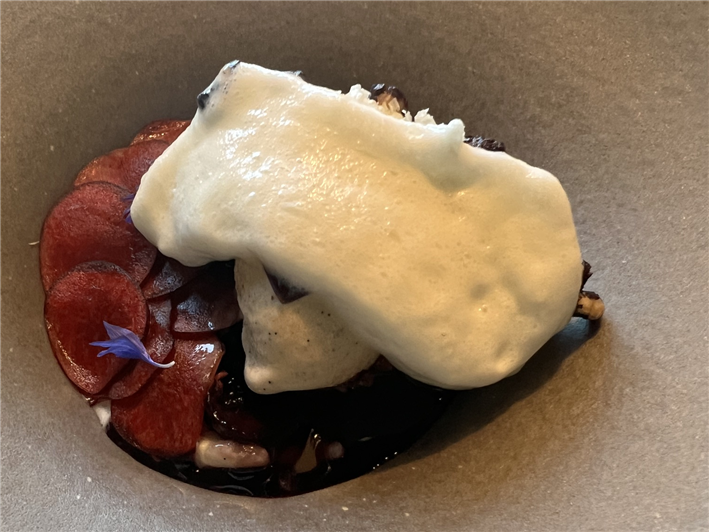
The pre-dessert was pine nut sorbet with flaky shredded kataifi pastry. This was refreshing and worked quite nicely (16/20). The main dessert was based around cherries, but also had prune flower rice, vanilla ice cream and fried rice, presumably to give a contrasting crunchy texture. The dessert seemed rather confused to me, with the rice and cherries not an obvious combination (14/20).
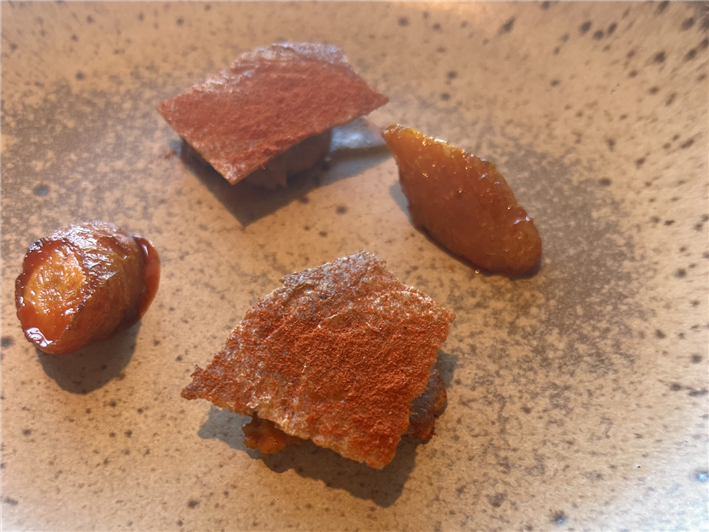
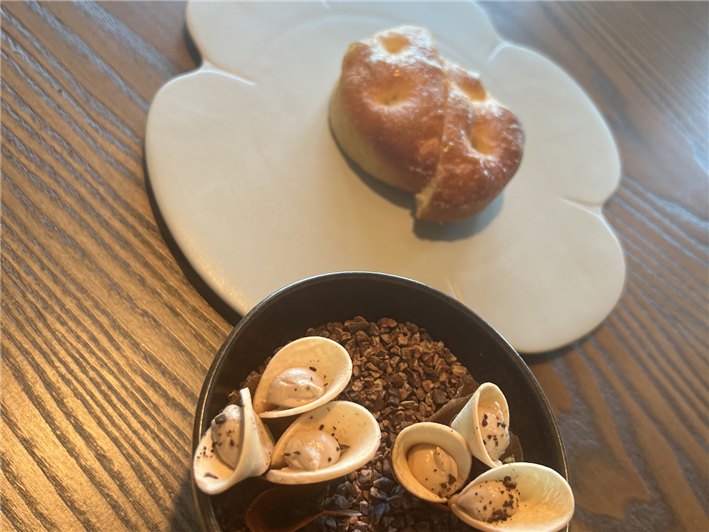
Some final pastries were an ice cream of dried grapes, pine nuts, olive oil and meringue, which was a little odd, served with a pleasant sweet focaccia. Coffee cream with champignon mushrooms was just weird and not enjoyable. Finally, there was a simple citrus slice of marinated lime with vanilla that was ultra-sharp. These pastries were simply ill conceived in my view (12/20). Coffee was quite good, supplied by Turin Cafe San Domenico. It might well be of nice quality given that it was priced at 12 euros for a double espresso.
Service was delightful throughout the meal, very attentive and friendly. The bill came to 609.50 euros (£526) each, with some pleasant but fairly moderately priced wine to drink. If you shared a modest bottle of wine, mineral water and coffee then a typical cost per person might be around €540 (£466). It could be a bit less if you opted for one of the slightly cheaper tasting menus.
Overall, this was a fairly enjoyable experience, but a wildly expensive one for the level of food that appeared. To me the food was one star level, but the prices were firmly in Paris three-star territory. This is another example where Michelin seems to have their benchmarking awry. There were no bad dishes at the meal, but not one that I could say was clearly in firm two-star territory, let alone three stars. Ignoring the rating for a moment, I was a little puzzled that a restaurant that portrays itself as being all about local produce would choose to bring in, for example, scallops from Japan, and to have quite so many Asian influences. I have nothing against drawing on other culinary cultures, but then why make such a strong position about purely local produce? Anyway, this is an objectively good, though very costly, experience in a pretty setting, and the staff were genuinely delightful.
Euan
Some of the photos look actively unpleasant.
tim wharton
Never eaten here (and doubt I ever will now), but the duck items are odd to us indeed, especially when you consider how many delicious duck recipes there are in Italian cuisine. That being said, I think if I could choose only one duck dish for the rest of my life, it would definitely be a Peking style roast.
Luke
Dear Andy, after so many years reading your reports, I find me once more to completely agree with you. Two stars were already too much for the Madernassa restaurant and this one is no better. Mammoliti is overrated as a chef and I do think that Michelin has no more authority in the field. It is just a moneymaking thing. Glad that there are still a lot of good spots where to eat and drink well in Italy.